
Best Time to Dive Komodo: Month-by-Month Seasons, Zones & Marine Life

Sekar Prameswari
January 11, 2026
16 min read
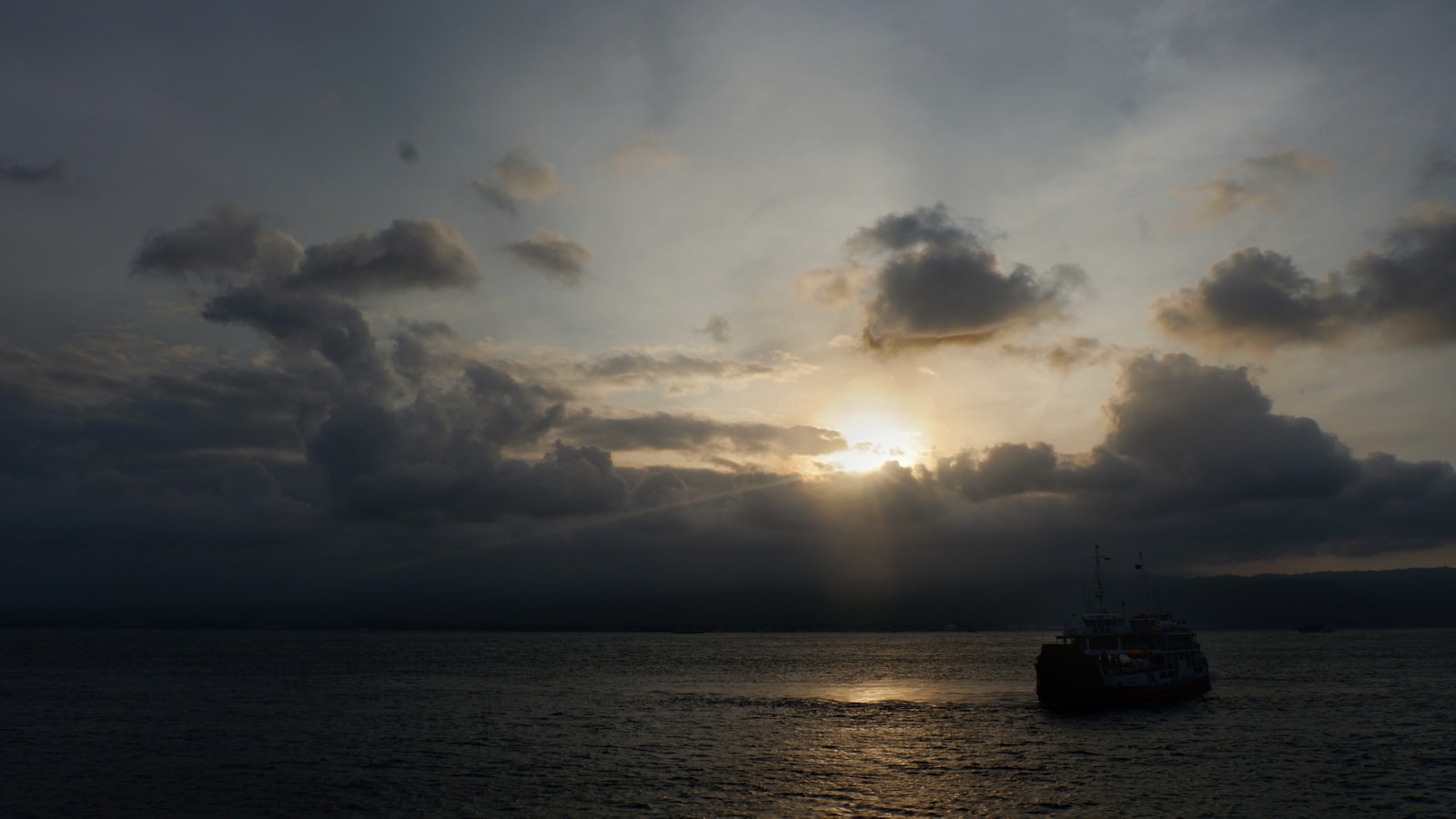
The best time to dive Komodo depends almost entirely on which part of the park you want to reach. North and central Komodo — Castle Rock, Crystal Rock, Batu Bolong, Manta Point — are at their clearest and calmest from roughly April through November, with peak visibility hitting 25–35 m in July and August. South Komodo — Manta Alley, Cannibal Rock, Horseshoe Bay — flips the calendar: the Indian-Ocean-exposed sites are most consistent from October through April, when the north is starting to close down. Understanding that split is the single most useful thing you can take away from this page.
Komodo National Park has no annual closure — the 2019 proposal to shut Komodo Island was reversed, and the park operates year-round. What changes month by month is where conditions allow safe, enjoyable diving, not whether the gates are open. Below is the full picture: zone by zone, month by month, with temperatures, visibility bands, and the marine-life windows that actually matter.
The Two Dive Zones and Why the Calendar Splits
Komodo sits at the junction of the Pacific and Indian Oceans, compressed through the Sape and Lintah Straits. The Indonesian Throughflow — roughly 15–20 Sverdrups of Pacific water pushing southwest — drives regional currents that can reach 7–8 knots on spring tides during the SE monsoon. That geography creates two hydrographically distinct worlds within the same national park.
North and Central Komodo
Sites here — Castle Rock, Crystal Rock, Shotgun/The Cauldron, Batu Bolong, Tatawa Besar, Manta Point (Karang Makassar), Siaba Besar — sit on Flores Sea water. The dry season (April–November) brings consistent southeast winds, calmer surface conditions, and the best visibility of the year. Temperatures stay warm: 27–29°C, peaking in the warmest months of July and August. A 3 mm shorty or thin wetsuit is comfortable for most divers.
January and February are a different story. Northwest monsoon swells roll in from the Flores Sea. Day trips to the northern sites are sometimes cancelled; liveaboards that attempt north routes in this window face rough surface conditions and reduced visibility down to roughly 10–15 m. Some operators suspend northern itineraries entirely until March.
South Komodo and South Rinca
Manta Alley, Horseshoe Bay, Cannibal Rock, Yellow Wall of Texas, Three Sisters — these sites face the Indian Ocean. The SE monsoon that cleans up the north (June–August) sends swell and murky upwelling water straight into the south. July and August at Manta Alley can mean short, choppy seas and 5–10 m visibility. The productive window here is roughly October through April, when the northeast monsoon settles the Indian Ocean and upwelling brings cold, plankton-rich water through the passages — exactly the conditions mantas favour for feeding.
Water in the south runs noticeably colder: 20–25°C, with thermoclines that can drop to 18°C or below at depth. A 5–7 mm wetsuit with a hood is not overcautious here; it is standard kit. Visibility is commonly 10–20 m, though January–February can produce clear 30 m+ windows when conditions align.
Komodo Water Temperature by Month
The table below summarises the core numbers. These are observed ranges, not guarantees — thermoclines shift with tidal cycles and monsoon intensity varies year to year.
| Month | North Komodo Temp | South Komodo Temp | North Visibility | South Visibility | Conditions Summary |
|---|---|---|---|---|---|
| January | 27–28°C | 20–23°C | 10–20 m | 15–30 m | North rough/sometimes undiveable; south good–excellent |
| February | 27–28°C | 20–23°C | 10–20 m | 15–30 m | North still unsettled; south at its best; mantas peak |
| March | 27–28°C | 21–24°C | 15–25 m | 12–25 m | Transition; north improving; south still accessible |
| April | 28–29°C | 22–25°C | 18–28 m | 10–20 m | North prime begins; south transitioning out |
| May | 28–29°C | 22–24°C | 20–30 m | 8–15 m | North excellent; south increasingly rough |
| June | 27–29°C | 21–23°C | 20–30 m | 5–12 m | North prime; south SE monsoon building; crowds growing |
| July | 27–29°C | 20–22°C | 25–35 m | 5–10 m | North peak visibility; south rough/murky; absolute tourist peak |
| August | 27–29°C | 20–22°C | 25–35 m | 5–10 m | North at its clearest; south still rough; book 6–12 months out |
| September | 28–29°C | 21–23°C | 20–30 m | 8–15 m | North excellent; south slowly settling; manta numbers building |
| October | 28–29°C | 22–24°C | 18–28 m | 10–20 m | Both zones diveable; south window opening; good overall balance |
| November | 27–28°C | 21–24°C | 15–25 m | 12–22 m | North late season; south improving; transition month |
| December | 27–28°C | 20–23°C | 12–22 m | 14–25 m | North variable; south building; manta season starts strong |
Komodo Diving Visibility: What to Expect and Why
Visibility in Komodo is not simply a function of season — it responds to tidal phase, thermocline strength, and local plankton blooms. A neap tide at Batu Bolong in July can give you 30 m of gin-clear water. A spring tide at Manta Alley in February — when dense plankton clouds roll through for the mantas — might drop to 8 m. Experienced guides read the conditions and adjust site choices accordingly.
As a planning baseline: north Komodo dry-season (Komodo diving visibility July–August) peaks at 25–35 m and is the clearest water in the region. Wet-season north drops to 10–20 m. South Komodo in its prime window (Nov–Feb) typically offers 15–25 m, but the sites there are macro and manta sites where visibility matters less than the current and surge management.
One thing visibility data never captures: the thermocline experience. At Horseshoe Bay you can start a dive in 24°C blue water at 10 m, then descend through a sharp thermocline at 18 m and hit 18–19°C cold green water — where the mantas are. Plan your bottom time around the cold exposure, not just the air.
When Can You See Mantas in Komodo?
This question comes up on every trip briefing, so let me be direct: reef mantas are present in Komodo year-round. The park holds one of the largest and most studied reef manta populations on earth, and Manta Point (Karang Makassar) in particular has active cleaning stations across all twelve months.
That said, numbers are not flat through the year. The largest aggregations — the “trains” of 20, 30, sometimes 50+ individuals at a single cleaning station — are most reliably observed from roughly September through May, with December through February generally producing the biggest numbers. This corresponds to the rainy season and the nutrient upwelling that fuels plankton blooms across the central park. One operator source frames the peak as April–November, but that view represents a minority of documented observations; most field guides and researchers align with the September–May window, with the Dec–Feb core as the standout period.
In practical terms: if seeing a single manta is meaningful to you, any month works — Manta Point and the Mawan cleaning station see mantas even in the quieter July–August window. If you want the best statistical chance of a large aggregation, target November through February. For Manta Alley specifically (south Komodo), the dive site itself is only safely accessible October through April — so the manta numbers there are seasonally constrained regardless.
Indonesia declared its full exclusive economic zone a manta sanctuary in 2014. Mantas are legally protected nationwide. The manta code of conduct applies on every dive where an encounter is possible: stay at least 3 m back, approach from the side or slightly below (never from above or head-on), never chase or block a manta’s path, never touch, and stay low on the reef to avoid blowing silt onto cleaning bommies. Let the mantas control the encounter.
Marine Life in Komodo by Month: What the Seasons Actually Change
Most of Komodo’s resident marine life — reef sharks, turtles, Napoleon wrasse, dense reef fish — are here 365 days a year. What shifts with the season is access to specific dive sites, plankton-dependent aggregations, and a handful of genuinely seasonal visitors.
Year-Round Residents
White-tip and grey reef sharks at Castle Rock, Crystal Rock and Batu Bolong. Green and hawksbill turtles at Siaba Besar and Tatawa Besar — Siaba is called “Turtle City” for good reason. Giant trevally, dogtooth tuna and barracuda schools on the pelagic northern sites. Massive fish biomass (fusiliers, anthias, surgeonfish, snappers) across the current sites. Nudibranchs, frogfish and macro critters at Wainilu and the south Komodo sites. Pygmy seahorses on gorgonians at Three Sisters and Cannibal Rock.
Seasonal Highlights
- Mantas in largest numbers: September–May (peak Dec–Feb)
- Central Komodo sites (Manta Point, Mawan, Shotgun) year-round; Manta Alley accessible Oct–Apr only. Aggregations respond to plankton blooms and upwelling cycles.
- Mola mola (ocean sunfish): approximately August
- Komodo is on the edge of the southern sunfish range. Sightings are reported at the colder south-Komodo sites when upwelling peaks — roughly August. These are opportunistic encounters, not a reliable annual event. Never plan a trip specifically around mola; treat any sighting as a bonus.
- Whale sharks at Saleh Bay: dry season (approximately May–October)
- Saleh Bay, on Sumbawa’s south coast, is a key whale shark aggregation site where local fishermen at bagan platforms attract sardines and the sharks follow. The dry season, when the baganare most active and conditions calmer, produces the most consistent sightings. This site is only reachable on 8–9+ day Komodo–Sumbawa liveaboard routes.
- Cannibal Rock macro season: October–April
- The site is diveable whenever Horseshoe Bay is accessible. Its biodiversity (sea apples, rhinopias, leaf scorpionfish, Coleman shrimp on fire urchins) is a permanent feature — but you need the south-Komodo window to get there.
- Flamboyant cuttlefish and volcanic macro at Sangeang: year-round for liveaboards running Sumbawa extension
- Sangeang’s black-sand volcanic sites (Hot Rocks, Bubble Reef, Bontoh) are sheltered enough for most conditions. They appear on longer routes (7–9 days) across all seasons, though liveaboard repositioning means most Komodo–Sumbawa trips run April/May through October.
Komodo Diving in October: Why It Is Often the Best Month Overall
Komodo diving in October is the answer to “I want it all.” October sits at the seasonal hinge: the north is still in excellent shape — visibility 18–28 m, temperatures 28–29°C, currents manageable — and the south is coming back online after the SE monsoon. Manta Alley becomes diveable again. Cannibal Rock and Horseshoe Bay are accessible. Manta numbers start building toward their December–February peak. Whale sharks at Saleh Bay are still possible for those on long liveaboards.
Crowd pressure also eases: the July–August peak is over, boats are less stacked at the popular mooring buoys, and 6-months-out availability is achievable rather than the 12-months-out scramble of peak season. If I had to name a single month for a first trip that wanted north sites, south sites and mantas within the same itinerary, October is it.
September runs a close second. The north is at its finest all month, and the south window opens toward the end.
Is Komodo Diveable in January?
Yes — but with significant caveats about which part of the park. Komodo diving in January means south Komodo is excellent: Manta Alley, Cannibal Rock, and the Horseshoe Bay sites are in their prime window, manta numbers are at their annual peak, and visibility can hit 25–30 m on good days. Many serious macro photographers specifically plan January trips for Cannibal Rock and the cold-water encounters.
North Komodo in January is a different matter. The northwest monsoon drives swell across the Flores Sea directly into the northern exposure of Castle Rock, Crystal Rock, and the Gili Lawa channel sites. Day trips to those sites are frequently cancelled. Liveaboards that attempt north routes face choppy crossings and reduced visibility. Most itineraries in January are south-focused — Rinca, Horseshoe Bay, south Komodo — with central sites like Manta Point and Siaba Besar as the northern limit when weather allows.
February follows the same pattern. If you book a January or February trip expecting to dive Castle Rock and Crystal Rock in peak condition, you may be disappointed. Brief your operator honestly, ask specifically which itinerary they run in that season, and let them make the call on site selection once you’re aboard.
North vs South Komodo: The Season Summary
| Zone | Prime Window | Shoulder Season | Avoid / Limited | Water Temp | Wetsuit Rec. |
|---|---|---|---|---|---|
| North Komodo (Castle Rock, Crystal Rock, Shotgun) | May–October | April, November | January–February | 27–29°C | 3 mm shorty |
| Central Komodo (Batu Bolong, Manta Point, Tatawa) | April–November | March, December | January–February can be rough | 27–29°C | 3 mm |
| South Komodo (Manta Alley, Horseshoe Bay, Cannibal Rock) | October–April | September, May | June–August | 20–25°C | 5–7 mm + hood |
| Sumbawa Extension (Sangeang, Saleh Bay, Moyo) | May–October (liveaboard season) | April, November | Crossings weather-dependent | 25–28°C | 3–5 mm |
Crowd Calendar and Park Access
Komodo National Park operates a daily visitor cap of 1,000 people, allocated through the SiORA app booking system with three time-slot windows per day. Divers count against this total. In July and August — the absolute peak of the tourist season — boats are sometimes turned away from popular moorings and slot availability disappears months in advance. Serious itineraries during peak season need to be confirmed 6–12 months ahead of travel.
The crowd calendar matters practically on sites like Manta Point and Batu Bolong, where a dozen dive boats on a single morning is possible in peak season. Mantas habituate to diver presence at established cleaning stations, but a badly managed group — people hovering above, chasing, blocking the cleaning bommie — clears a station fast. Better operators manage this through early starts, smaller groups, and strict manta code enforcement. It is worth asking your operator specifically how they handle site management at Manta Point when multiple boats are present.
Outside July–September, crowds thin considerably. October through December, and March through May, typically allow more relaxed site visits and earlier availability. If flexibility exists in your travel calendar, these shoulder months offer the best balance of conditions and comfort.
Ready to match your travel dates to the right season and itinerary? Plan your trip with our concierge — share your dates and target sites, and we will tell you honestly what is and is not realistic for that window. WhatsApp planning works too if you prefer it: fast questions, direct answers, no sales pressure.
Park Closure Myths: What You May Have Read
Periodically, articles surface claiming Komodo National Park closes annually for “conservation.” This is not current policy. The 2019 proposal to close Komodo Island entirely for one year was reversed before it took effect. Rinca Island’s Loh Buaya area had a temporary access restriction in the early 2020s during jetty and boardwalk construction — that is also resolved. As of 2025–2026, all sectors of Komodo National Park are open year-round to visitors operating within the daily cap and following park regulations.
Zone choice — which sites you can reach on a given day — is driven entirely by weather and sea conditions, not by regulatory closures. A good operator will tell you upfront which sites are off the table for your travel dates and why. That candour is what you should expect and demand.
Planning a Trip Around the Seasons: Practical Decisions
Day Trip or Liveaboard?
Day trips from Labuan Bajo reach central and some northern sites year-round (conditions permitting), but they cannot reach south Komodo. Manta Alley, Cannibal Rock, and Horseshoe Bay are liveaboard-only destinations — the crossing is too long for a day return. If south Komodo is on your list, you need at least a 4-day liveaboard. A 6-day trip reaches both zones. An 8–9-day route adds Sangeang volcano and Saleh Bay whale sharks.
What Certification Do You Need?
The season affects which sites are attempted, and different sites have hard experience requirements. Siaba Besar and Tatawa Besar are genuinely open-water-friendly across all seasons. Batu Bolong and Manta Point require at minimum an intermediate level of comfort with moderate current. Castle Rock, Crystal Rock, and Shotgun are advanced-only by virtually every operator’s policy — AOW plus a meaningful number of logged dives is the floor, and individual operators set their own minimums (commonly 20–50 logged dives; some guides recommend 50–60 for the most demanding northern sites). Cannibal Rock requires AOW-level skills and comfort in cold water. Your operator’s check dive on day one exists precisely to make these judgments in real conditions.
Liveaboard Season Timing
Most Indonesian liveaboards run Komodo itineraries from approximately April/May through September/October, then reposition to Raja Ampat, Banda Sea, or Alor for the October–April season. Booking a Komodo liveaboard for January or February is possible — south-focused itineraries run through the northern hemisphere winter — but boat selection is narrower and routes are specifically tailored to south-Komodo conditions. Confirm the planned itinerary with your operator before you book, not after.
To match the right route, duration, and certification level to your travel window, use our enquiry form or send a message on WhatsApp with your dates, experience level and the sites you most want to dive. We will outline what is realistic — including the honest trade-offs — at no obligation.
Frequently Asked Questions
What is the best month to dive Komodo for beginners?
For beginner divers, April through June offers the best combination: north-central sites like Siaba Besar, Manta Point, and Tatawa Besar are in excellent condition, water is warm (28–29°C), visibility is strong (20–28 m), and the July–August crowd pressure has not yet peaked. Beginners should steer toward sheltered, current-protected sites regardless of month — Siaba Besar for turtles, Manta Point for mantas (gentle current, all levels) — and avoid high-current northern sites entirely until they have built logged-dive experience elsewhere.
When can you see mantas in Komodo?
Reef mantas are present in Komodo’s waters year-round. The largest aggregations at Manta Point and the central cleaning stations occur roughly September through May, with December through February typically producing the highest numbers. For Manta Alley (south Komodo), the site is only accessible — conditions-wise — from approximately October through April. A single manta encounter is possible in any month; a 20-plus-individual aggregation is most likely in the December–February window.
Is Komodo diveable in January?
Yes, but itineraries in January focus heavily on south Komodo — Manta Alley, Cannibal Rock, and Horseshoe Bay — which are in their prime window. North Komodo sites (Castle Rock, Crystal Rock, Shotgun) are often too rough for day trips and difficult for liveaboards in January, due to northwest monsoon swells on the Flores Sea. January is actually an excellent time for macro and manta divers willing to commit to south-focused routes. Ask your operator precisely which sites the January itinerary covers before you book.
Are there any permanent annual park closures in Komodo?
No. Komodo National Park has no scheduled annual closure. The 2019 plan to close Komodo Island for a year was reversed and never implemented. Current (2025–2026) policy is year-round access subject to the 1,000-visitor-per-day cap managed through the SiORA allocation system. Temporary site-level restrictions can occur for safety or conservation reasons, but these are exceptional and localised, not a fixed calendar event. “Zone closures” that operators mention are weather-driven conditions decisions, not regulatory bans.
How far in advance should I book a Komodo diving trip?
It depends on when you want to travel. For July and August — the absolute peak — serious liveaboard cabin availability disappears 6–12 months ahead. Peak-season day trips through popular operators also fill up. For October through June, 2–4 months ahead is generally sufficient for most boats and budgets, though specific luxury vessels and shoulder-peak weeks (Easter, Christmas–New Year) book out earlier. If your travel dates are fixed around a specific peak event — a wedding, a school break — build in at least 6 months. The SiORA park slot system adds another layer: liveaboards and day-trip operators pre-book their allocation, so booking the boat is the primary mechanism for securing your park access.