Best Time To Visit Labuan Bajo For Diving

The optimal period for diving in Labuan Bajo, the primary access point for Komodo National Park, is during the dry season, from April to November. This timeframe offers consistently calm waters, excellent visibility, and stable weather conditions, creating ideal circumstances for exploring the region’s diverse marine environments. While diving is possible year-round, the dry season provides the most reliable and enjoyable experience.

Understanding Labuan Bajo’s Dive Seasons

Labuan Bajo experiences two distinct seasons: the dry season and the wet season. Each has implications for diving conditions, marine life encounters, and overall travel experience.

Dry Season: April to November (Peak Diving)

  • Weather: Predominantly sunny days with minimal rainfall. Air temperatures average 25-32°C.
  • Water Conditions: Calm seas are typical, especially from May to September. Water visibility consistently ranges from 20-30 metres, often exceeding this in specific sites.
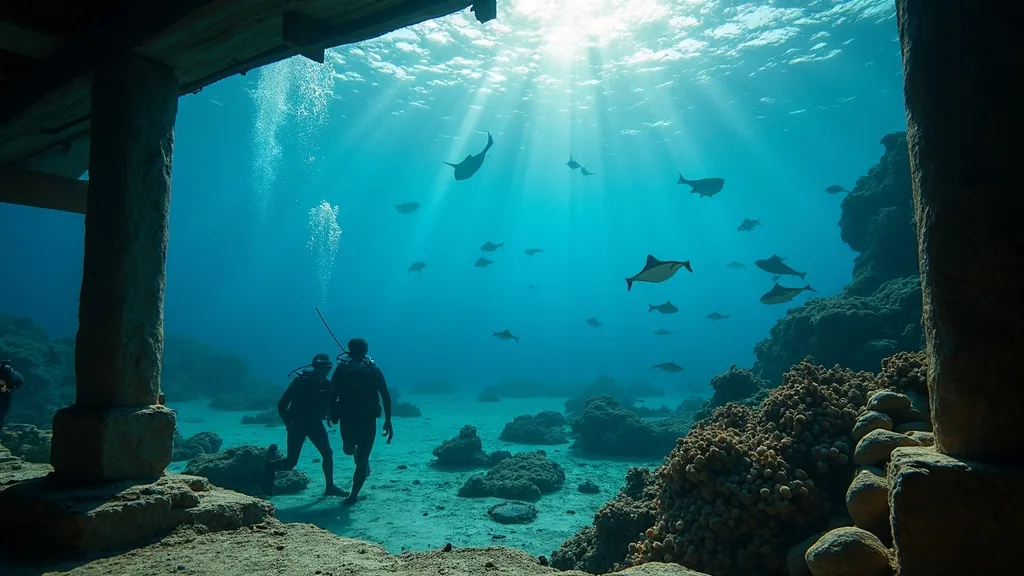
  • Marine Life: All major pelagic species, including manta rays and sharks, are regularly sighted. The abundance of plankton in certain areas during this period can attract larger filter feeders.
  • Crowds & Prices: This is the peak tourist season. Consequently, dive boats and liveaboards operate at full capacity, and accommodation in Labuan Bajo is in high demand. Booking well in advance is essential. Prices for daily trips and liveaboards remain at their standard rates, as detailed below.
  • Specific Months:
    • April-June: Transition from wet to dry. Excellent visibility, fewer crowds than mid-dry season.
    • July-September: Peak dry season. Very calm waters, high visibility. The busiest period.
    • October-November: Transition towards wet season. Still excellent conditions, slightly fewer crowds than mid-dry season.

Wet Season: December to March (Off-Peak)

  • Weather: Increased rainfall, particularly from January to February. Can experience strong winds and rougher seas. Air temperatures average 23-30°C.
  • Water Conditions: Visibility can be reduced due to runoff and increased plankton. Sea conditions can be choppier, potentially affecting comfort on smaller vessels and access to some dive sites.
  • Marine Life: While marine life remains abundant, specific encounters might be less predictable due to changing currents and visibility. Manta rays are still present, but sightings may require more effort.
  • Crowds & Prices: Fewer tourists visit during this time, leading to reduced demand. Some operators may offer slightly lower prices for daily trips or liveaboard berths, though official price lists often remain static. Accommodation in Labuan Bajo is more readily available.
  • Considerations: If travelling during this period, flexibility with dive plans is advisable due to potential weather disruptions. Larger, more stable liveaboards are recommended for comfort in potentially choppier conditions.

Concrete Numbers & Prices (2027 Estimates)

Planning your dive trip to Labuan Bajo in 2027 requires an understanding of current pricing trends for daily excursions and liveaboard experiences. These figures provide a realistic financial overview.

Service/ItemEstimated Price (2027)Notes
Daily Dive Trip (3 dives)IDR 2,500,000 per personIncludes equipment, breakfast, lunch, snacks, drinks.
Liveaboard (3D/2N Diving)IDR 9,000,000 – IDR 11,500,000 per personUp to 8 dives.
Liveaboard (6D/5N Standard)USD 3,200 – USD 4,300 per personApprox. USD 530–720/day, all-inclusive.
Liveaboard Range (Daily)USD 220 – USD 550 per person/dayLuxury vessels exceed USD 900/day.
Open Water CertificationIDR 8,500,000Includes 2 daily dive trips and certification.
Advanced Open Water CertificationIDR 8,000,000Includes 5 adventure dives.
Nitrox (Onboard)USD 25 per person/day or IDR 100,000+Varies by vessel (e.g., La Galigo) and operator.
Equipment Rental (Full Set)USD 30 – USD 40 per day

Park Fees & Extra Charges (Tourist Tariff)

In addition to diving costs, visitors must account for compulsory park and harbour fees:

  • Harbour Fee: USD 75 (IDR 1,050,000) per person.
  • Komodo National Park Entrance (Weekdays): USD 11 (IDR 150,000) per person/day.
  • Komodo National Park Entrance (Weekends/Holidays): USD 16 (IDR 225,000) per person/day.

Booking Recommendations

Given the popularity of Labuan Bajo as a diving destination, particularly during the dry season, early booking is crucial. For liveaboards, securing your spot 6-12 months in advance is recommended. Daily dive trips can often be arranged a few weeks prior, but availability during peak months can be limited. Always confirm inclusions and exclusions with your chosen dive operator.

Beyond the dry-versus-wet overview above, trip planning comes down to month-by-month detail: exactly when to book flights, what water temperature and visibility to expect, and how likely you are to see mantas in a given week. The short answer for best time for diving in Labuan Bajo month by month is that June through October gives the most predictable flying and boat conditions, while July to September specifically delivers the strongest manta and pelagic action alongside the coolest water and the biggest crowds.

Best Time for Diving in Labuan Bajo, Month by Month

The table below is built for logistics, not marine biology — it is meant to help you decide when to book flights and liveaboard cabins, not to replace a dedicated seasonal wildlife guide. Figures are typical seasonal patterns based on the region’s monsoon cycle; actual conditions vary year to year and week to week, so treat them as planning guidance rather than a guarantee.

MonthVisibilityWater TempManta LikelihoodCrowd LevelRainfall
January10–15m27–29°CModerateLow–ModerateHigh
February10–15m27–29°CModerateLowHigh (peak wet)
March15–20m27–28°CModerateLowModerate, tapering
April20–25m27–28°CGoodLow–ModerateLow–Moderate
May20–25m26–27°CGoodModerateLow
June25–30m22–26°C (cooler south)Very GoodModerate–HighLow
July25–30m+18–22°C south / 26–28°C northExcellentHighVery Low
August25–30m+18–22°C south / 26–28°C northExcellentPeakVery Low
September25–30m20–23°C south / 27°C northExcellentHighVery Low
October20–25m25–27°CGoodModerateLow
November15–20m26–28°CModerate–GoodLow–ModerateModerate, rising
December10–18m27–29°CModerateModerate (holidays)High

Note the cool-water dip in the south Komodo sites (Cannibal Rock, Yellow Wall) from around June to September — this seasonal upwelling is exactly what draws the plankton and, in turn, the mantas, so bring a 5mm wetsuit or hood if you’re diving that window. See our Komodo manta season guide for the site-by-site detail behind these likelihood ratings.

When to Dive Komodo National Park If You’re Working Around Flights and Bookings?

For Labuan Bajo weather diving season planning, treat the calendar as three booking windows rather than twelve separate months:

  • Peak season (June–September, plus Christmas/New Year): flights into Komodo Airport (LBJ) sell out earlier and liveaboard cabins fill 2–3 months ahead. Book both flights and boats as early as you can if these dates are fixed.
  • Shoulder season (April–May, October–November): the best trade-off — good visibility, thinner crowds, and more flight/cabin availability. 4–6 weeks’ notice is usually enough.
  • Wet season (December–March): the easiest window to book on short notice and often the lowest liveaboard rates, but choose an operator with a flexible reschedule policy — rougher seas occasionally push crossings or dive-site choices around.

Whichever window you pick, confirm your dates against a current Komodo liveaboard diving itinerary before locking in flights, since operators adjust routes around weather and current conditions.

Best Month for Beginners vs. Advanced Divers

Newer divers generally do best in May, June, or October — visibility is already strong, water is still warm, and currents at the easier sites are more forgiving. If you’re working toward certification, this window pairs well with our PADI courses in Labuan Bajo. Experienced divers chasing the biggest animal encounters should target July through September: currents run stronger at drift sites, the water runs noticeably colder in the south, and comfort with buoyancy and drift technique matters more — but this is also when manta and pelagic sightings peak.

Ready to lock in your dates? Message our team on WhatsApp at +62 811-3823-875 or email bd@juaraholding.com and we’ll match your travel window to the right boat and itinerary. Komodo Luxury is part of Juara Holding Group, operating from Bali across Indonesia since 2015.

AboutPrivacyTermsDisclosure
Plan My Dives
Enquire & plan your trip →