Komodo Dive Sites: The Honest Site-by-Site Library (Depth, Current, Level, Season)

Lukas Wajong
November 30, 2025
21 min read
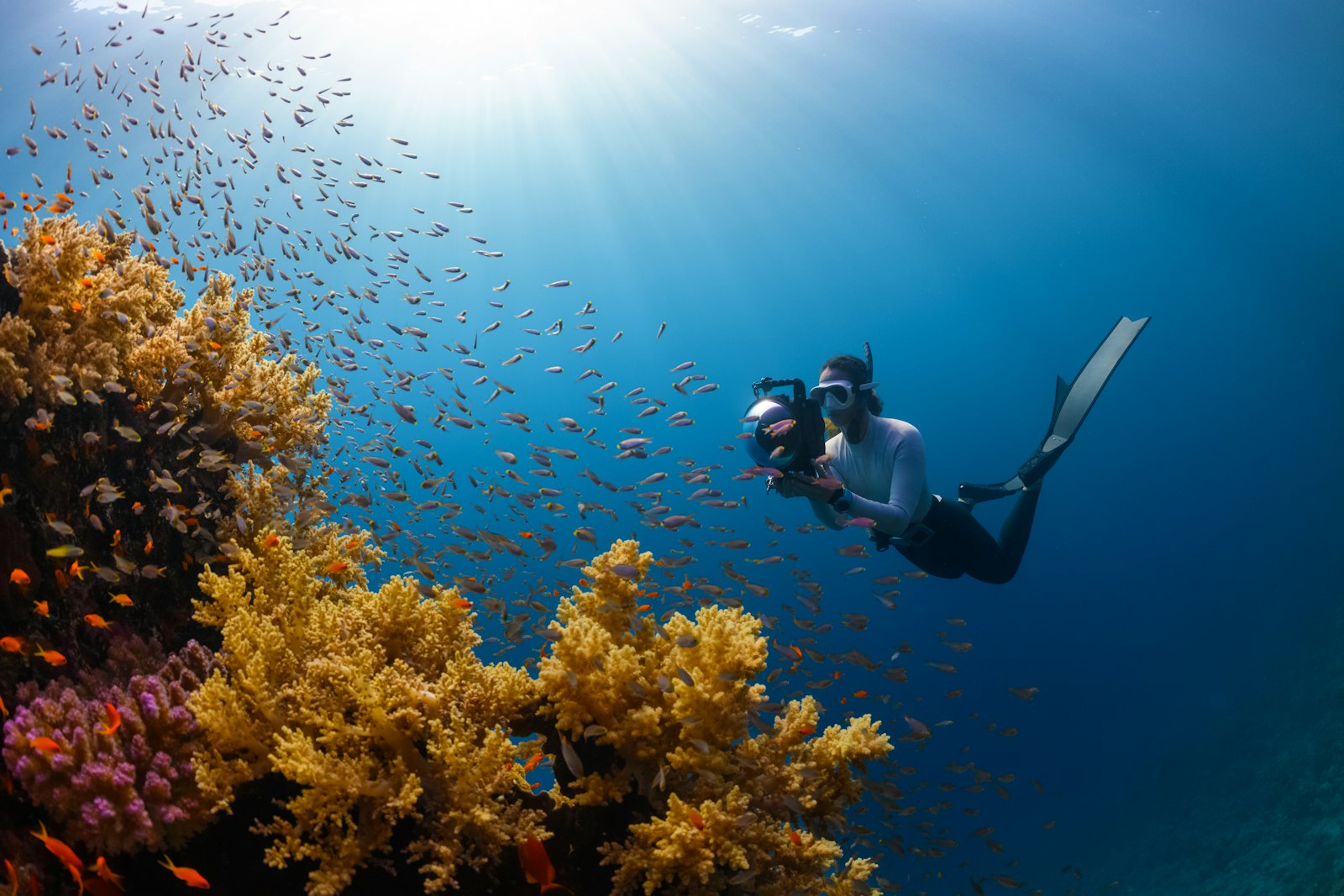
Komodo dive sites span four distinct zones inside and around Komodo National Park — north, central, south, and the Sumbawa extension — covering roughly 20 named sites from calm turtle bays to high-speed seamount passes where the Indonesian Throughflow squeezes between Pacific and Indian Ocean at up to 7–8 knots on spring tides. That spread is what makes Komodo national park diving genuinely extraordinary, and genuinely uneven: the same park that offers a beginner-friendly turtle cruise at Siaba Besar will, two hours north, put an under-qualified diver into a washing-machine current at Castle Rock that no amount of enthusiasm cancels out.
This library is the one I wish existed when I first started guiding here. Every site gets the same treatment: depth range, current rating, the minimum certification and logged-dive floor that most operators actually apply (not what the marketing says), the seasonal window, whether snorkelers can join, and an honest account of what you are likely to see. I have been conservative on every level floor. I would rather redirect a diver to Siaba Besar than carry a passenger through Crystal Rock.
How to Read This Library
Current ratings run 1 to 5: 1 is barely a push, 5 is “hold on and know what you are doing.” The experience floor is labelled typical operator policy — it is not a certification-body rule, it is the standard most reputable Labuan Bajo and Komodo operators apply and the floor I use when writing site eligibility for this site. Actual minimums vary; a conservative operator may require more, a loose one less. When in doubt, add ten dives to whatever floor you read anywhere.
Season notes reflect whether the site is reliably diveable — not merely accessible if conditions cooperate. South Komodo access is always weather-permitting regardless of season, and north Komodo can be rough in the January–February peak of the northwest monsoon.
The Master Table: All Komodo Dive Sites at a Glance
This is the komodo dive map in tabular form. Eighteen sites, four zones, every critical number in one place.
| Site | Zone | Depth (m) | Current (1–5) | Min. Cert + Logged Dives | Best Season | Snorkelers? | Signature Life |
|---|---|---|---|---|---|---|---|
| Castle Rock | North | 15–40 | 5 | AOW + 30–50 dives (typical operator policy) | Apr–Oct | No | White-tip/grey reef sharks, GTs, dogtooth tuna, barracuda schools |
| Crystal Rock | North | 10–30+ | 4–5 | AOW + 30 dives (typical operator policy) | Apr–Oct | No | White-tip + grey reef sharks, trevally/tuna, rich hard and soft coral |
| Shotgun / The Cauldron | North | 10–30 | 5 | AOW + drift experience, 30+ dives (typical operator policy) | Apr–Oct | No | Reef sharks, trevally/tuna/barracuda, manta encounters in channel |
| Tatawa Kecil | North/Central | 10–30 | 4–5 | AOW + drift experience (typical operator policy) | Apr–Oct | No | Pelagics, table/staghorn coral, reef sharks, turtles |
| Batu Bolong | Central | 5–35 | 3–4 | AOW or intermediate, 20–30 dives (typical operator policy) | Apr–Oct | No | Massive fish biomass, Napoleon wrasse, reef sharks, turtles, dense coral |
| Manta Point / Karang Makassar | Central | 8–18 | 2–3 | OW + 10 dives (typical operator policy) | Year-round; peak Dec–Feb | Yes | Reef mantas at cleaning stations; eagle rays, turtles |
| Tatawa Besar | Central | 5–25 | 2 | OW + 10–20 dives (typical operator policy) | Apr–Oct | Conditions-dependent | Soft and hard coral gardens, turtles, occasional reef sharks and manta |
| Siaba Besar | Central | 5–20 | 1 | OW / beginner; check dives here | Year-round | Yes (calm) | Green and hawksbill turtles in high density, stingrays, nudibranchs |
| Siaba Kecil | Central | 5–25 | 2 | OW–intermediate | Apr–Oct | Conditions-dependent | Turtles, stingrays, macro (nudibranchs, pipefish, shrimp) |
| Mawan | Central | 5–25 | 2 | OW + 10–20 dives (typical operator policy) | Apr–Oct | Conditions-dependent | Manta cleaning stations, turtles, white-tip reef sharks |
| Wainilu | Central | 5–20 | 1 | OW; favoured by photographers | Year-round | Yes (calm) | Nudibranchs, frogfish, pipefish, seahorses, ghost pipefish, octopus; strong night dive |
| Pink Beach / Pantai Merah | Central | 2–20 | 1–2 | OW / beginner | Year-round | Yes | Coral gardens, anemonefish, small reef life; not a pelagic site |
| Manta Alley | South | 5–25 | 3–4 | AOW + negative-entry experience (typical operator policy) | Oct–Mar | Experienced only | Reef mantas in greatest numbers, nutrient-rich blue water |
| Cannibal Rock | South | 5–30 | 2–3 | AOW + 20 dives recommended (typical operator policy) | Oct–Mar | No | Sea apples, rhinopias, leaf scorpionfish, pygmy seahorses, nudibranchs — top-tier macro |
| Yellow Wall of Texas | South | 5–30 | 2–3 | AOW + drift experience (typical operator policy) | Oct–Mar | No | Dense yellow soft corals, ghost pipefish, orangutan crabs, flatworms |
| Three Sisters | South | 10–35 | 4–5 | Experienced AOW + 30 dives (typical operator policy) | Oct–Mar | No | Pygmy seahorses on gorgonians, anthias clouds, reef sharks, down-current eddies |
| Sangeang (Hot Rocks / Bubble Reef / Bontoh) | Sumbawa | 5–25 | 1–2 | OW–intermediate; liveaboard only | Apr–Oct | Conditions-dependent | Flamboyant cuttlefish, wunderpus, frogfish, volcanic bubble vents |
| Gili Banta — GPS Point | Sumbawa | 15–35+ | 5 | Experienced AOW + 50 dives (typical operator policy) | May–Sep | No | Schooling trevally, tuna, reef sharks; occasional pelagics (no reliable hammerheads) |
Zone by Zone: North Komodo
The north is where komodo national park diving earns its reputation. These sites are two or more hours from Labuan Bajo by day boat, and the current windows are narrow — 45 minutes of workable water can vanish in ten. Day trips reach them only with early departures and favorable tide tables; liveaboards time arrivals the night before. If your operator is not explicitly planning around the tidal window for Castle Rock or Shotgun, look for a different operator.
Castle Rock
An open-water seamount sitting north of Komodo Island. The plateau runs 15–20 metres; the flanks drop to 30–40. The current is the point — at the right moment, you hover over a staging area for white-tip reef sharks, grey reef sharks, dogtooth tuna, GT, and big barracuda aggregations. At the wrong moment, you are fighting down-current on an exposed edge with no reef to hold. Most operators require AOW plus a minimum 30–50 logged dives and run a check dive before putting anyone here. That number is not bureaucracy. I have seen plenty of 25-dive AOW divers who are genuinely ready for Castle Rock, and I have seen 80-dive OW divers who are not. The logged-dive floor is a proxy — the actual gate is controlled buoyancy, the habit of checking behind you before swimming toward an edge, and the ability to abort and surface without drama.
Crystal Rock
A few kilometres from Castle Rock, Crystal Rock is an exposed pinnacle whose top sits at 3–5 metres at low tide and submerges at high tide. The dives run 10–30 metres plus, in split currents that can hit you from two directions as you round the pinnacle. Signature: white-tip sharks resting in the current shadow, schooling trevally and tuna on the upcurrent side, nudibranchs in the crevices. The coral density here is genuinely impressive — rich hard and soft coral almost without break. Advanced; same logged-dive floor as Castle Rock in practice.
Shotgun / The Cauldron
The narrow tidal channel between Gili Lawa Laut and Gili Lawa Darat. At flood tide, water accelerates to what local guides call the “shotgun” — an involuntary high-speed drift that deposits divers into open blue water. Depth runs 10–30 metres; the typical profile starts shallow in the mouth, crosses the channel at 15–20, then exits. Mantas use this channel regularly, which is one reason experienced drift divers seek it out. There is no safe way to dive Shotgun for the first time and figure out the current while you are in it. Drift experience before you arrive is the price of admission.
Tatawa Kecil
A small islet with very strong, split currents wrapping around it. The plateau sits at 5–10 metres; working depths extend to 30. One operator describes it plainly as “for those who love and know currents” — that is not marketing, it is a legitimate gate. The payoff: schooling pelagics, beautiful table and staghorn coral on the calmer sides, reef sharks, turtles. Do not confuse it with Tatawa Besar, which is a fundamentally different experience.
Zone by Zone: Central Komodo
Central Komodo is where the best dive sites in komodo national park overlap with day-trip accessibility and where divers at intermediate or even beginner level can find genuinely top-tier water. The current is still present — Batu Bolong demands respect — but the range of conditions gives guides room to manage groups thoughtfully.
Batu Bolong
One of Komodo’s most famous sites, a central pinnacle between Komodo Island and Tatawa. The reef runs 5–35 metres; the swirling, unpredictable current on the exposed sides has a documented down-current risk. Dives are confined to the protected lee when conditions tighten. What makes Batu Bolong genuinely special is the fish biomass — schools of fusiliers and anthias so dense they block your view, mixed with surgeonfish, snappers, GT, Napoleon wrasse, reef sharks and turtles crawling over coral that shows almost zero storm damage. AOW or equivalent experience is the standard. Day trips visit routinely; liveaboards build full dives here. Snorkelers are not permitted — the current and dive-boat traffic make surface conditions unsafe for unguided swimmers.
Manta Point / Karang Makassar
A roughly 3-kilometre shallow drift plateau, 8–18 metres, with the main action at 10–15. The current is gentle to moderate depending on the tide. Komodo’s flagship manta site, with multiple cleaning stations and, in peak season, trains of mantas that can number in the dozens. Eagle rays and turtles are reliable supporting cast. This is one of the few sites where snorkelers are genuinely welcome — the shallow profile and controlled current make surface access reasonable. Mantas are present year-round; expect the largest aggregations roughly December through February, within a broader September to May window. No operator can guarantee sightings; on any given day the mantas may be elsewhere.
Tatawa Besar
A gentle to moderate drift along a sloping reef, 5–25 metres, with most of the interesting life at 10–20. This is where Open Water divers who have 10–20 logged dives and a solid buoyancy record start to get their first taste of real Komodo drift. Soft and hard coral gardens in good condition, reliable turtles, reef fish in numbers, occasional reef sharks and passing mantas. Not a pelagic powerhouse — but a genuinely pleasant dive that holds its own against reefs in far more expensive destinations.
Siaba Besar — Turtle City
Sheltered, calm, 5–18 metres. This is where we put beginners, nervous returners, and every check dive on every liveaboard departure. The turtle density here is not a marketing phrase — green and hawksbill turtles rest on the sand, graze the reef, and surface for air close enough to touch (though nobody should). Stingrays, nudibranchs, occasional pygmy seahorse reports from some operators. No meaningful current. Open Water divers on their first Komodo dive routinely call this the highlight of the trip.
Mawan
Sometimes called the “mini Manta Point” by guides, Mawan has its own cleaning stations and a mild to moderate drift at 5–25 metres, action at 10–18. Mantas visit, turtles are reliable, white-tips patrol the shallows. It is less documented than Karang Makassar — we describe it conservatively here rather than over-promise. Open Water divers with 10–20 dives handle it comfortably.
Wainilu
A sheltered macro and muck site, 5–20 metres, with almost no current. The primary appeal is photography: nudibranchs in genuine variety, frogfish, pipefish, seahorses, ghost pipefish, octopus. Night dives here are excellent and well-established on liveaboard itineraries. Open Water divers find it straightforward. Photographers who measure a dive in gigabytes of usable footage love it.
Pink Beach / Pantai Merah
The famous pink-sand fringing reef, 2–5 metres sloping to 15–20, mild current, suitable for beginners and snorkelers alike. The marine life is pleasant reef-dive fare — anemonefish, coral gardens, small tropicals — not a pelagic site and not where experienced divers will find edge-of-seat excitement. Its strength is accessibility: it is the site most often combined with a Padar viewpoint hike on day-trip itineraries, and it is one of the most reliable entries in the park for snorkel-only guests.
Planning which of these sites fits your level and timing? Plan your trip with our concierge — we match groups to the right day-trip or liveaboard itinerary based on your certification, logged dives, and target season, and we are available on WhatsApp for fast back-and-forth.
Zone by Zone: South Komodo
South Komodo — the south tip of Komodo Island, Horseshoe Bay on south Rinca, and the exposed headlands between — is the half of the park that the north’s pelagic reputation often overshadows. It is reached only by liveaboard. It is exposed to Indian Ocean swell. And in the right season, it holds some of the most biologically dense diving on the planet. The water runs cold here: expect 20–25°C, thermoclines, and a 5–7mm wetsuit with a hood. Upwelling drives the visibility down to 10–20 metres at times and loads the water with plankton — which is exactly why the mantas and macro life concentrate here.
Manta Alley
At the south tip of Komodo Island, exposed to the Indian Ocean. Cleaning and feeding stations sit at 10–25 metres over bommies at 15–20; the bay shallows to 5–10 metres. The current is moderate to strong with surge; the green, plankton-rich water reduces visibility below what you will see in the north. The payoff is manta aggregations driven by the nutrient upwelling — historically the highest-density manta encounters in the park occur here in season. AOW with negative-entry skills is the standard recommendation. Season window: October through March is when south Komodo is consistently accessible; July and August bring SE monsoon swell that makes this site rough and often undiveable.
Cannibal Rock
Off the sandy slope of Horseshoe Bay (Loh Dasami), south Rinca. A pinnacle from 5 to 30 metres, richest at 15–25. This is regularly cited among the world’s top-ten macro sites, and the claim holds examination: sea apples in vivid orange clusters, rhinopias scorpionfish, leaf scorpionfish, frogfish, pygmy seahorses on gorgonians, zebra eels, Coleman shrimp on fire urchins, nudibranchs in species counts that take most divers multiple dives to properly catalogue. The current ranges from mild on calm tides to strong on springs; AOW is recommended. Most experienced underwater photographers who dive Komodo komodo national park put Cannibal Rock at the top of their list.
Yellow Wall of Texas
A wall from 5 to 30 metres, the core interest at 15–25, named for the density of yellow soft corals and tunicates that carpet the vertical surface. Ghost pipefish, orangutan crabs, cowries, flatworms in the crevices. Medium drift at times. AOW with drift comfort is the standard. A strong companion dive to Cannibal Rock on the same day — the two sites sit close enough to do back-to-back on a liveaboard schedule.
Three Sisters
Three submerged pinnacles, their tops at 10–15 metres, bases at 30–35. Exposed: strong currents, pronounced eddies behind the pinnacles, and real down-current risk near the saddles between them. The experience requirement here is genuine — this is an experienced AOW site with 30 or more logged dives as a practical floor, and those dives need to include prior work in variable current. The gorgonians carry pygmy seahorses; anthias and fusiliers cloud the tops in numbers; reef sharks cruise the edges. Beautiful and demanding in equal measure.
Zone by Zone: Sumbawa Extension
The Sumbawa extension — Gili Banta, Sangeang volcano, Bima Bay, Moyo Island, Satonda — is reached on 7–9 day liveaboard itineraries running between Labuan Bajo and Lombok or Bali, or on dedicated LBJ-return extended routes. It is the differentiator that separates a full Komodo scuba diving experience from one that has merely covered the central park. All sites are liveaboard-only by practical necessity.
Sangeang Volcano — Hot Rocks, Bubble Reef, Bontoh
An active volcanic island off the northeast Sumbawa coast. The diving is on black sand slopes (5–25 metres, mild to moderate current, mostly lee-side) with geothermal vents that make the sand visibly bubble and shift. Hot Rocks: the warm-spot macro paradise — flamboyant cuttlefish, frogfish, seahorses, ghost pipefish in volcanic substrate. Bubble Reef: “champagne” gas streams rising through coral, an extraordinary wide-angle and macro combo. Bontoh (also called Black Magic): the village muck site, where wunderpus and mimic octopus move through black sand alongside harlequin shrimp and nudibranchs that appear nowhere else on the Komodo route. Current-wise, Sangeang is accessible to intermediate divers — it is the content, not the conditions, that rewards the trip.
Gili Banta — GPS Point
Gili Banta sits between Komodo and Sumbawa. GPS Point is an exposed seamount, 15–35 metres and deeper, with very strong current, down-currents, washing-machine conditions, and negative entries required. This is experienced-advanced diving, with a 50-dive logged floor as a reasonable practical bar. The schooling trevally, tuna, and reef sharks are the payoff. Hammerheads are occasionally reported — occasional means occasional. We do not market GPS Point as a hammerhead site. If you are told you will see hammerheads at GPS Point, that is a promise no one can keep. The adjacent K2 ridge (10–30 metres, moderate to strong drift) is more forgiving and still delivers schooling snappers, fusiliers, reef sharks, and turtles for a solid AOW-level dive.
Bima Bay, Moyo Island, Satonda
Bima Bay is Lembeh-style muck: silty sand at 5–20 metres, low current, frogfish, seahorses, mimic and wunderpus octopus, harlequin shrimp, rare nudibranchs. Moyo Island’s Angel Reef is a classic crossing dive — sloping reef and mini-wall at 5–30 metres, mild current, dense coral, fish schools, turtles. Satonda Island offers sheltered volcanic fringing reef, excellent night diving, calm anchorage. These three sites appear on 7–9 day crossings and are often the low-key highlights for divers who hit current fatigue after the intensity of north Komodo and GPS Point.
Best Komodo Dive Sites for Beginners
If you hold an Open Water certification with at least 10–20 logged dives and solid buoyancy, these are the sites built for you in Komodo:
- Siaba Besar (Turtle City) — the benchmark. Calm, rich, memorable without requiring anything except basic dive skills.
- Manta Point / Karang Makassar — accessible to Open Water divers; mantas possible; gentle drift that most OW graduates manage after a proper briefing.
- Pink Beach — easy entry, snorkel-friendly, a pleasant reef dive that does not ask much.
- Tatawa Besar — the first drift dive that genuinely feels like Komodo, manageable for OW divers with 10–20 dives after a guide briefing.
- Wainilu — macro photography without current. Patience and buoyancy are the only requirements.
Beginners on a day trip from Labuan Bajo will typically visit two or three of these sites in a single day. None of the current-intensive north sites (Castle Rock, Crystal Rock, Shotgun, Tatawa Kecil) belong on a beginner’s itinerary regardless of what any operator’s website says about “suitable for all levels.”
Best Komodo Dive Sites for Advanced and Experienced Divers
With AOW and 30 or more logged dives, including previous drift diving, the north opens up fully:
- Castle Rock — the flagship. Come on the right tide with a knowledgeable guide and it justifies the journey from anywhere.
- Crystal Rock — pairs naturally with Castle Rock for a north day itinerary.
- Shotgun / The Cauldron — the high-speed channel crossing that people describe for years afterward.
- Three Sisters (liveaboard, south season) — technically demanding, macro-rich.
- GPS Point, Gili Banta (liveaboard, Sumbawa extension) — for the most current-experienced divers in the group.
Best Komodo Dive Sites for Macro Photography
Komodo’s macro reputation lives in three zones:
- Cannibal Rock — the deepest macro inventory in the park. Plan multiple dives.
- Wainilu — calm, searchable, excellent night dive.
- Sangeang — Bontoh / Black Magic — volcanic-substrate critters found nowhere else on the Komodo–Sumbawa route.
- Bima Bay — Lembeh-adjacent diversity in a lower-profile location.
Best Komodo Dive Sites for Mantas
Mantas are present throughout the park year-round. Bigger aggregations track from roughly September through May; the peak of the peak is December through February when cooler, plankton-rich upwelling peaks. Specific sites:
- Manta Point / Karang Makassar — the most reliable central site; accessible to OW divers and snorkelers; best September to May.
- Manta Alley (south Komodo, liveaboard, October–March) — the highest-density encounters when Indian Ocean upwelling is strongest.
- Mawan — regular cleaning station activity; lower profile, less crowded than Karang Makassar.
- Shotgun / The Cauldron — mantas use the channel; sightings here are often surprise encounters rather than cleaning-station visits.
Indonesia declared its entire EEZ a manta ray sanctuary in 2014. Komodo National Park carries UNESCO World Heritage overlay protections. The code is straightforward: 3 metres minimum distance, approach from the side or slightly below, never from above or front, never block a cleaning station, no chasing. Mantas approach divers who stay still; they avoid divers who chase.
Padar Region — A Note on Regional Naming
Padar Island is a landmark on every Komodo itinerary — the three-bay viewpoint hike at sunset is as iconic as the diving. The reefs around Padar are dived as a region: sloping reefs and walls at 5–25 metres, mild to moderate current, Open Water accessible, with reef fish, turtles, and some macro. Different operators use different local names for specific entry points here. Rather than invent or repeat unverified site names, we describe the Padar area as a region and let your operator brief you on the specific entry they prefer. The quality of the briefing is itself a signal worth noting.
Park Fees and Logistics for Divers
Park fees are charged per diver per day and are almost always excluded from day-trip prices. The 2025–2026 structure: marine park entry IDR 250,000 per day, plus a diver surcharge IDR 25,000 per day, plus a harbour fee IDR 25,000. Some operators add a conservation levy of IDR 100,000 per day. The realistic expectation is IDR 300,000–400,000 per diver per day (approximately USD 18–27), itemisation varying by operator. Confirm the total before you book.
The park is capped at 1,000 visitors per day. Peak season — July and August particularly — books out 6–12 months in advance via the SiORA allocation system. If your dates are firm and your target sites are in the north or on high-demand liveaboards, early booking is not a recommendation, it is a necessity.
Day trips from Labuan Bajo depart around 07:30–08:00, typically cover 2–3 dives, and return by 16:00–17:30. Central sites are 1–1.5 hours from the harbor; north Komodo runs 2 hours or more each way. The north sites on a day trip mean an early start and a long boat ride; some divers find liveaboard access to north Komodo less taxing overall.
Ready to match a specific itinerary to your certification and available days? Use our enquiry form or reach us on WhatsApp — we can turn a site wishlist into a day-trip or liveaboard plan that makes sense for your level, season, and budget.
Frequently Asked Questions
What certification do I need to dive Castle Rock in Komodo?
Most operators require Advanced Open Water certification plus 30–50 logged dives, including prior drift diving experience, before putting guests in the water at Castle Rock. This is typical operator policy, not a certification-body minimum — the actual gate is buoyancy control and current-management skills. An Advanced Open Water diver with 20 dives and no drift experience will find Castle Rock unsafe regardless of their card. Operators run a check dive on day one of every liveaboard precisely to assess practical readiness.
Can beginners dive in Komodo National Park?
Yes — Komodo scuba diving is not all high-current seamounts. Open Water divers with 10–20 logged dives can comfortably access Siaba Besar (Turtle City), Manta Point / Karang Makassar, Pink Beach, Tatawa Besar, and Wainilu. These sites are genuinely excellent, not consolation prizes. A well-planned beginner’s day trip covers three of them and delivers turtles, mantas, and macro life that most dive destinations cannot match.
Can snorkelers join a Komodo diving day trip?
Some sites accept snorkelers; others do not. Manta Point (Karang Makassar), Siaba Besar, and Pink Beach are snorkel-friendly. Batu Bolong explicitly bans snorkelers — current and dive-boat traffic make surface swimming dangerous. Any site rated current 3 or above in this library is unsuitable for unguided snorkelers. Mixed groups travelling with non-divers should confirm site compatibility with their operator before booking.
When is the best time to dive south Komodo?
South Komodo — Manta Alley, Horseshoe Bay, Cannibal Rock, Yellow Wall — is best accessed roughly October through March, when the Indian Ocean swell eases and nutrient-rich upwelling peaks. July and August bring SE monsoon conditions that make the south rough and often undiveable. South Komodo requires liveaboard access; no day trip from Labuan Bajo reaches it reliably. Water temperatures run 20–25°C with thermoclines — pack a 5–7mm wetsuit and a hood.
Are hammerhead sharks reliable at GPS Point, Gili Banta?
No. Hammerheads are occasionally reported at GPS Point, and they appear in enough trip reports that the association exists. But occasional means exactly that — some divers on some dives in some seasons see them. We do not market GPS Point as a hammerhead site, and we would encourage you to treat any operator who promises hammerhead sightings there with caution. GPS Point is worth diving for its schooling trevally, tuna, and reef sharks, and for the technical challenge of a very demanding current site. The hammerheads are a bonus, not a guarantee.