Pink Beach & the Padar Area: Easy Reefs for Divers and Snorkelers

Lukas Wajong
January 31, 2026
14 min read
Pink beach Komodo diving means a wide fringing reef that slopes from ankle-deep water out to roughly 15–20 metres, with mild current, clear water, and enough coral and small reef life to hold a diver’s attention for a full forty-five minutes. That is the honest description. It is not a pelagic site — you will not drift through a wall of trevally here — but it is one of the few places in Komodo National Park where a newly certified Open Water diver and their non-diving partner in a mask and fins can spend an hour in the water together, at the same location, without either person being out of their depth.
That combination is rarer than it sounds. Most of the sites that make Komodo famous — Castle Rock, Batu Bolong, Shotgun — are current-exposed seamounts or pinnacles where snorkelers simply cannot follow. Pink Beach is the exception that operators build mixed-group days around. The Padar area reefs nearby are in the same spirit: relaxed slopes and walls in the 5–25 metre range, Open Water-friendly with a guide, no extreme current. This guide covers both, honestly.
Pink Beach: What the Dive Actually Looks Like
Pantai Merah — Red Beach, called Pink Beach in English for the blush of red coral fragments mixed into the sand — sits on the east coast of Komodo Island. The colour is real, though it depends on the light; midday sun washes it out, early morning and late afternoon are better. Divers and snorkelers enter from the beach or the dive tender alongside.
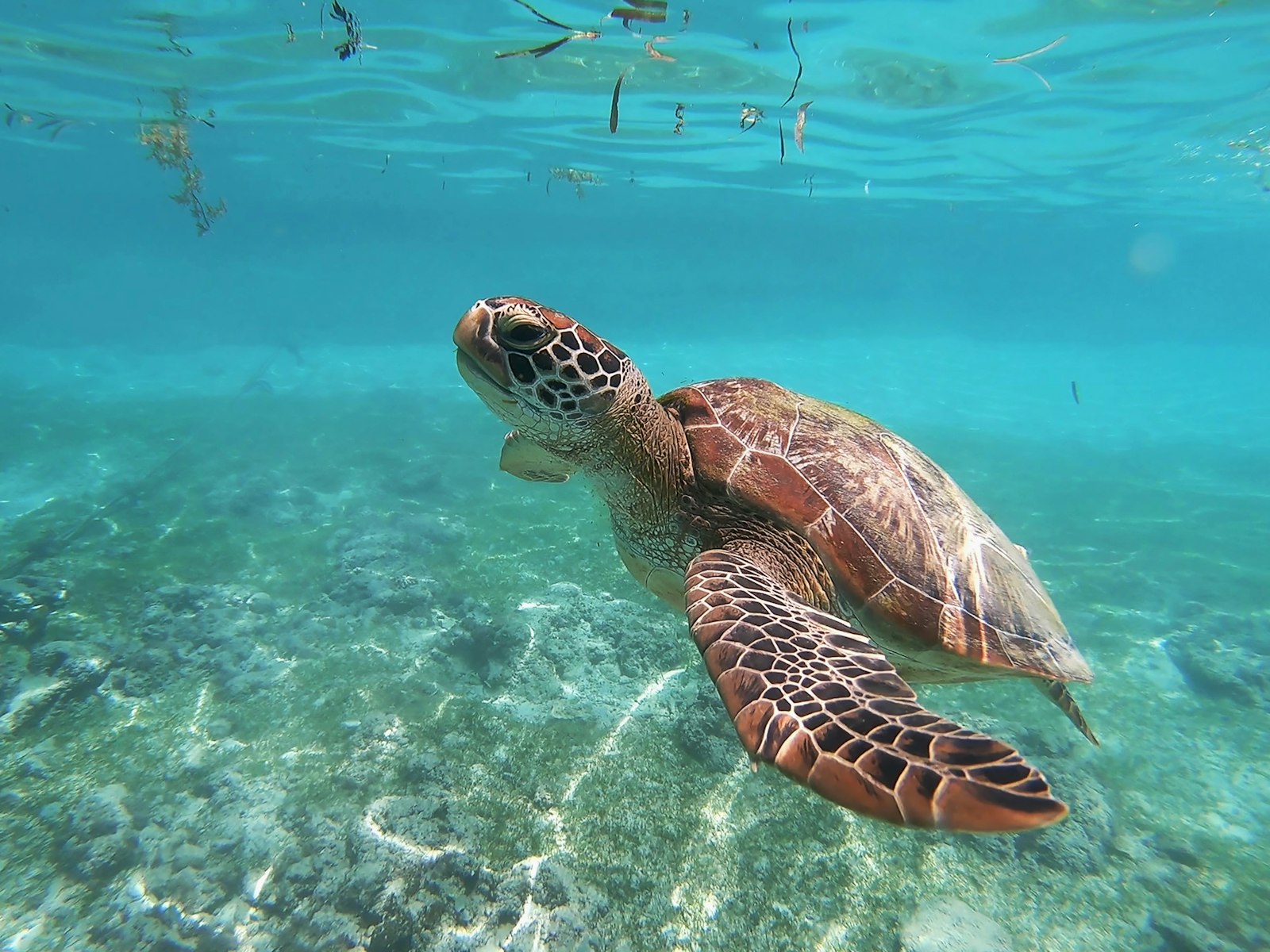
The reef structure is a classic fringing reef. In the shallows from about 2–5 metres you have living coral tables and branching formations, anemone beds, clownfish, damselfish, and the usual shallow-reef community. The slope extends down through 10–12 metres where the coral cover tends to be healthiest — dense staghorn and plate corals, schools of fusiliers, parrotfish, and the occasional hawksbill turtle working through the formations. By 15–18 metres the slope flattens to a rubble-and-sand bottom; a few operators push groups to 20 metres on good conditions, but there is not much reason to: the life is shallower.
Current is usually mild at Pink Beach. Tidal flow runs along the reef rather than across it, making orientation easy, and guides can read the surface before entry. On a spring tide you will feel it more, but nothing like the north park seamounts. If the current is running hard the day you visit, a good operator will brief you accordingly and may move the group to a sheltered bay — that is the right call, not a compromise.
What you will see: anemonefish (multiple species), blue-spotted stingrays in the sand patches, occasional reef sharks patrolling the deeper edge, turtles, surgeonfish in number, and a lot of small interesting macro on closer inspection — nudibranchs, shrimp, juvenile fish in coral heads. What you will not see: mantas, hammerheads, big pelagic schools hunting in current. If that is what you came to Komodo for, this is not your primary site. I would pair it with Manta Point or Batu Bolong on the same day trip.
Snorkeling Pink Beach
The shallow section from 2–5 metres is excellent snorkeling terrain. No drift, warm water (27–29°C in the dry season), and enough variety to keep a non-diver genuinely entertained. Kids who are comfortable in the water and supervised handle it well. The entry from the beach is easy — sandy, gradual. Bring your own fins if you can; rental fins from a day boat that have done a hundred trips are never the best fit.
One practical note: the beach itself gets busy at peak season (July–August). Boat anchoring is regulated and moorings are used at the reef, but the beach can have multiple boats landed at once. Come early if you care about the experience — the 07:30 departure from Labuan Bajo gets you there before the midday rush.
The Padar Area: A Region, Not a Single Site
Padar Island is the visual centrepiece of many a Komodo itinerary — the three-bay ridge that appears on every photo tagged Komodo. The hike to the ridge viewpoint takes about 20–30 minutes each way and involves a real climb. Rangers manage access through timed slots (morning/midday/afternoon) booked via the SiORA system. The ranger fee for the Padar trek is IDR 150,000 per group of up to five people, on top of the park entry fee every visitor pays daily.
What operators call the Padar area for diving refers to the reefs, walls, and slopes in the waters surrounding Padar Island and the channels between it and Komodo Island. No single dive site name is universal here — different operators use different local nicknames for different bommies and reef sections, so I will describe the character of the diving rather than invent site names that may not match what your operator briefed you on.
Reef Character Around Padar
Depths are typically 5–25 metres. The terrain mixes sloping reef walls, coral gardens, and sand channels. Current is mild to moderate — meaningfully less than north Komodo — and most configurations are drift dives with a gentle push rather than high-speed runs. Open Water divers with around 10–20 logged dives handle these sites with a competent guide briefing. The marine life profile: reef fish in volume, turtles, some macro on the rubble, occasional reef sharks on the deeper sections. Soft coral coverage can be impressive on the walls, especially in current-exposed gullies.
These are not the sites that will make a ten-year Komodo veteran’s year. But they are honest, relaxed dives with genuine marine life, and the combination of underwater time plus the ridge hike makes for a full day that works for mixed groups — divers who want water time, non-divers who want the viewpoint. That is a real and underrated value.
Padar Area vs Other Komodo Sites
- Depth range
- 5–25 m (Padar area) vs. 15–40 m+ at Castle Rock / Crystal Rock
- Current
- Mild–moderate (Padar area) vs. strong–very strong (north seamounts)
- Minimum level
- Open Water + 10–20 logged dives (Padar area) vs. Advanced OW + 30–50 dives (Castle Rock)
- Snorkeling
- Yes, safe for supervised snorkelers (Padar/Pink Beach) vs. No at most north sites
- Pelagic frequency
- Low — reef sharks occasional, no reliable manta station here
- Primary appeal
- Coral gardens, relaxed dive, mixed-group day, land combo
A Day That Combines Both: Typical Itinerary Structure
Most operators who include Pink Beach and the Padar area on a day trip structure the day around the land-and-sea combination. A common pattern: depart Labuan Bajo waterfront 07:30–08:00, steam roughly 1.5–2 hours south to Padar or Pink Beach (these sites are further from town than central Komodo — budget accordingly on a day trip). First dive at the Padar-area reef; surface interval with lunch on board; second dive at Pink Beach or vice versa. Beach time and the Padar ridge hike fill the surface interval or a dedicated afternoon slot before the return steam.
Some operators run three dives on this route; others do two dives plus the hike. Confirm with your operator before you book which combination they offer, because fitting three dives and a 40-minute mountain hike into one day requires good timing and willing participants. I have seen groups rush the hike or skip the second dive to make the tide window — neither is ideal. Two dives plus the hike is the more relaxed version.
Travel time from Labuan Bajo is real — Pink Beach is roughly 1.5–2 hours by day boat depending on vessel speed and sea conditions. If your priority is maximising dive time on pelagic-rich sites, the north Komodo day trip (Batu Bolong, Manta Point, Tatawa Besar) gives you less transit and more current-site dives. The Pink Beach and Padar day makes most sense when you have non-divers or beginner divers in the group, or when you specifically want the ridge hike as part of the experience.
If you want to plan the right combination for your group — diver certifications, non-divers, trip length, whether liveaboard versus day trips — plan your trip with our concierge before you arrive. A five-minute conversation about who is in your group saves a lot of mid-trip renegotiation.
Park Fees at Pink Beach and Padar
Park fees in Komodo National Park are collected daily and cover multiple line items. For divers, expect to pay in the range of IDR 300,000–400,000 per person per day (approximately USD 18–27), which includes the marine park entry fee, diver surcharge, and harbour fee — the exact itemisation varies by operator and day. Snorkelers pay a lower rate without the diver surcharge.
The Padar ridge hike carries an additional ranger fee of IDR 150,000 per group of up to five people. This is separate from the daily park entry and is collected at the ranger post on the beach. It is not a large amount but it catches people off guard if their operator quoted only the dive-day park fee. Budget it in, and bring cash because card readers are not guaranteed in the park.
Park fees are almost always quoted separately from day-trip prices. A typical day trip including two or three dives, lunch, and equipment runs in the range of IDR 2,500,000–3,600,000 per person (approximately USD 155–225) before park fees. The park fees on top bring your real daily cost to roughly USD 175–250 all-in for a diver. These are observed market ranges from 2025–2026 operator listings; prices move with season and operator, so confirm current rates when you book.
Who Should Dive Pink Beach and the Padar Area
Newly certified Open Water divers, or divers returning after a break who want to ease back in before attempting current-heavy sites. Non-divers and snorkelers who want to share a boat with diving companions and still have a genuinely good time in the water. Families with older children (generally 10+ for snorkeling; check with your operator on minimum age for their program). Anyone who wants to combine meaningful underwater time with the Padar ridge hike in the same day.
If you are a confident Advanced diver who came specifically for the north park’s seamounts, Pink Beach will feel like a warmup. It can be a perfectly good second or third dive on a longer day, but building a day-trip itinerary entirely around it when you are capable of Castle Rock would be leaving the best of Komodo on the table. Be honest with your operator about your experience level; they will put you where you belong.
Divers who have not been in the water for more than six months should consider a refresher before the trip, or plan their first dive at a sheltered site — Siaba Besar is the classic choice for this, with calm conditions, resident turtles, and none of the current stress. Pink Beach works as a second step up from there.
Dive Cruise and Liveaboard Access
Pink Beach and the Padar area appear on a range of liveaboard itineraries, most commonly the four- to six-day central park routes. Typical positioning: Pink Beach as an afternoon dive on day two or three, often paired with the Padar sunset hike, with north Komodo sites (Castle Rock, Crystal Rock) filling the higher-current days. On longer eight- to nine-day Komodo–Sumbawa routes, the Padar area sometimes serves as the settling-in dive on day one or two while the group gets used to the boat and each other’s pace.
The liveaboard context actually suits these sites well. A liveaboard check dive is usually done at Siaba Besar or a similar sheltered location on day one; by day two the operator has a real read on every diver on the boat, and placing appropriate divers at Pink Beach or Padar while the more experienced guests run a north current site is how a well-run liveaboard manages a mixed-experience group. It is not a consolation — it is good guide work.
Our dive cruise planning page and WhatsApp concierge can match your group to the right itinerary, including multi-day cruises that work for mixed certification levels. Reaching us via WhatsApp tends to be the fastest way to confirm real availability, especially for peak season (July–October books out months ahead).
Practical Notes Before You Go
Water temperature at the surface around Padar and Pink Beach runs 27–29°C during the dry season (roughly April–October). A 3mm shorty or full suit is comfortable; go to 5mm if you run cold. Visibility in the dry season typically 15–25 metres at these sites, occasionally more on calm mornings.
Bring a surface marker buoy. This is true everywhere in Komodo, not just at current-heavy sites — day boats can have multiple groups in the water in the same area, and ascending without an SMB in a busy anchorage is a bad idea. If your operator does not brief this or provide them, ask why.
Reef hooks are a policy question — some operators allow them on bare rock and rubble only, others have banned them for guests entirely. Follow your operator’s briefing. Never attach to live coral under any circumstances, anywhere in the park.
The reef at Pink Beach is in reasonable condition but it is heavily visited. Give coral a wide berth, watch your buoyancy in the shallows, and keep fins away from formations. Komodo National Park is a UNESCO World Heritage Site with genuine enforcement. The rangers take the rules seriously, and so do we.
Frequently Asked Questions
Is Pink Beach suitable for beginner divers?
Yes. The fringing reef slopes from 2–5 metres down to about 15–20 metres with mild current, making it one of the most beginner-accessible dive sites in Komodo National Park. A newly certified Open Water diver with a competent guide briefing can handle it comfortably. As with all Komodo sites, conditions vary with tides and season — your operator will brief you on the day’s state before entry.
Can snorkelers join the same boat as divers on a Pink Beach day trip?
Yes, and this is one of the main reasons operators include Pink Beach on mixed-group itineraries. The shallow section of the reef — 2–5 metres — is accessible and safe for supervised snorkelers. Check with your operator that snorkeling is included in the day-trip package and confirm the ranger and snorkeler park-fee structure, which differs from the diver daily rate.
How much is the Padar ranger fee and is it included in the day-trip price?
The Padar trekking ranger fee is IDR 150,000 per group of up to five people. It is typically not included in the dive day-trip base price — it is collected separately at the ranger post on the beach. Daily park entry fees for divers (IDR 300,000–400,000 per person) are also almost always quoted separately from the boat and dive package price. Confirm the full fee breakdown with your operator when booking so there are no surprises on the day.
What marine life can I realistically expect at Pink Beach?
Coral gardens with good coverage in the 8–15 metre range, anemonefish, blue-spotted stingrays, hawksbill turtles (fairly regular), reef fish in good variety including surgeonfish and parrotfish, occasional reef sharks on the deeper edge, and nudibranchs if you look slowly. Pink Beach is not a manta site and it is not a pelagic site — if your priority is mantas or big schooling fish, Manta Point (Karang Makassar) and Batu Bolong are the correct sites for that. Many operators combine those sites with Pink Beach on the same day.
Can I do Pink Beach and the Padar hike on the same day trip?
Yes — this is a standard itinerary combination. Most operators pair two dives (Padar-area reef and Pink Beach, or one of each) with the Padar ridge hike during a surface interval or afternoon slot. The day is full, with roughly 1.5–2 hours transit each way from Labuan Bajo, two dives, lunch, and the 40–50 minute round-trip hike. It works best if the group is reasonably fit and on schedule. Three dives plus the full hike in one day is tight; clarify with your operator which activities are included and how they structure the timing before you book.