
Shotgun / The Cauldron: Komodo’s Famous High-Speed Drift, Explained Honestly

Lukas Wajong
March 14, 2026
16 min read
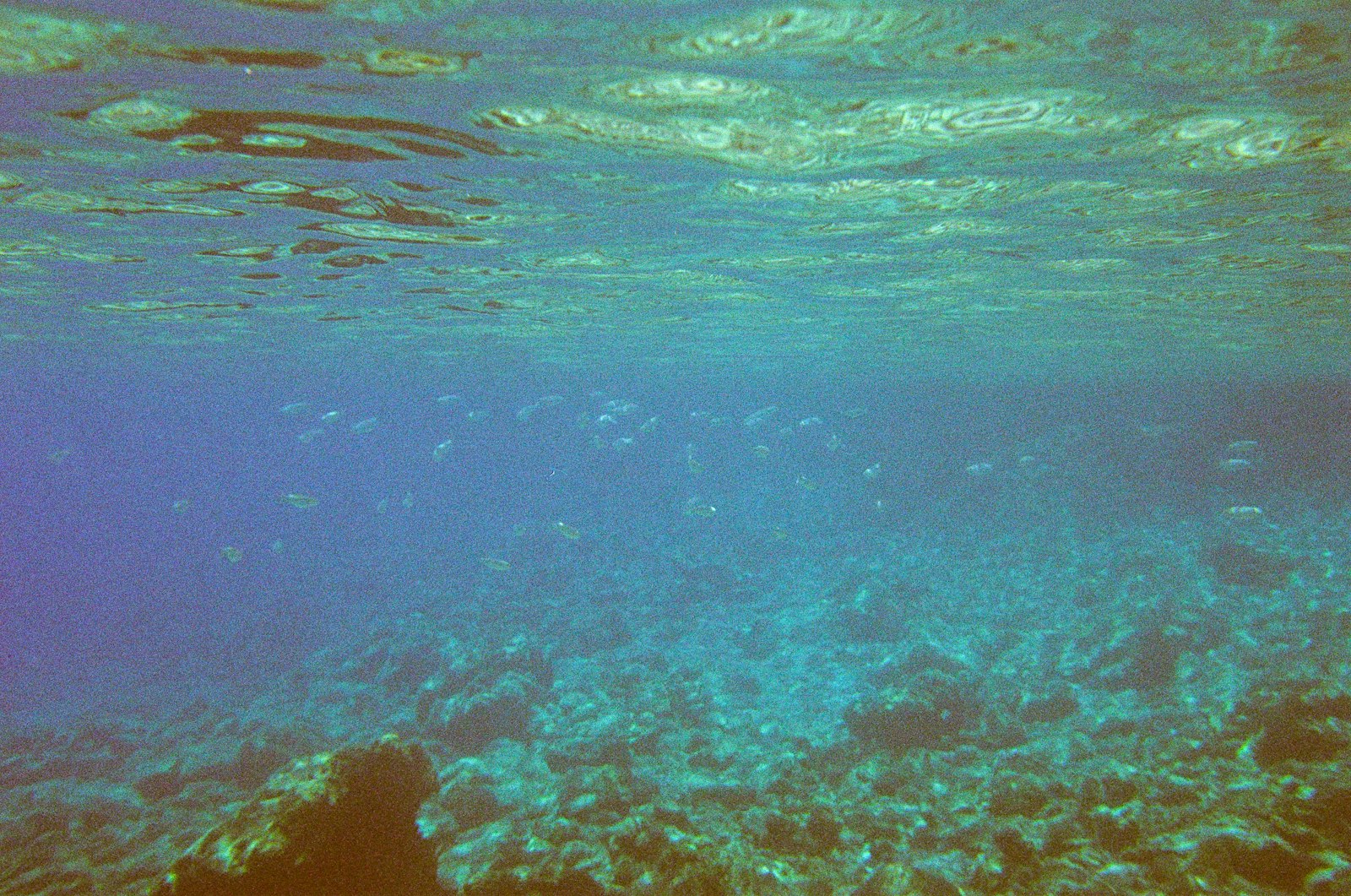
The Shotgun dive site in Komodo — also called The Cauldron — is a narrow tidal funnel running between Gili Lawa Laut and Gili Lawa Darat in the north of Komodo National Park. When the tide runs, this channel compresses an enormous volume of water into a short gap and the current accelerates fast enough to push a diver from a shallow entry point, down through the 15–20 m mid-channel zone, and out into open blue water at the far end. That exit is the namesake: the dive literally fires you out like a shot. Advanced certification and genuine drift experience are non-negotiable here. If you are not certain that applies to you, keep reading — the last section tells you where to dive instead.
What Makes the Shotgun Different From Other North Komodo Sites
Castle Rock and Crystal Rock are seamounts where you position yourself against a current and hold your water column. The Shotgun is different. It is a directed drift — the geography of the channel decides where you go, not you. The site starts shallow, typically 5–10 m along the reef edge at the entry point, then the channel floor drops to the 15–20 m range as you are pulled through the narrows, and then the bottom disappears entirely. You exit into blue water with no reef beneath you, possibly at 20–30 m depth depending on the tidal phase, with the current still pushing.
That sequence — shallow start, mid-depth funnel, blue-water exit — is why the site demands more than just an Advanced Open Water card. An AOW diver who has only ever done gentle drift at Tatawa Besar or Manta Point will find the acceleration rate and the abrupt loss of visual reference unsettling. You need to have been properly dumped into blue water before, know how to read the current direction immediately on exit, and be fast and calm with a DSMB in those conditions. Guides assess this at the check dive and during the briefing. Listen to them.
The Honest Briefing: Current Behaviour at This Site
The currents at Shotgun are driven by the same Indonesian Throughflow that powers all of north Komodo’s diving — Pacific water flowing toward the Indian Ocean, squeezed through narrow straits and amplified by tidal exchange. On spring tides, particularly during the dry season peak (June–August), speeds in the channel can move well beyond comfortable recreational drift territory. The site is timed for a specific tidal window; even experienced local operators describe the Shotgun as having a real down-current component at the edges and in the mid-channel drop zone.
Down-current means exactly that: water moving downward, not just horizontally. If you get caught in a down-current column you burn air and time fighting to stay at depth, your computer alarms, and the situation deteriorates quickly. The response is not to kick harder. You move laterally out of the column — toward the reef edge or into shallower water — which is only possible if you recognise what is happening fast enough and if you have the situational awareness to act on it. This is not a technique you want to try for the first time at Shotgun.
There is also a washing-machine component at certain tidal phases where eddies form on the downstream side of the channel. Divers who exit the main funnel slightly out of position can get spun in a turbulent eddy before the current carries them clear. It is not dangerous if you stay calm, maintain a neutral buoyancy, and wait it out — but it is deeply unpleasant if you tense up and it is genuinely dangerous if you panic and ascend too fast.
What the Guide Briefing Will Cover
A responsible guide briefing for this site should address all of the following. If your briefing does not cover these points, ask before you get in the water.
- Entry type: Negative entry is standard. You enter the water with no air in your BCD and descend immediately to avoid being swept off the reef before you are settled. Practice this if you have not done it recently.
- Current direction: The guide will confirm which way the current is running and which side of the channel to use for the entry. If the current has not yet picked up, you may be asked to wait on the boat or start at a different point on the reef.
- Exit plan: Shotgun has a defined exit into open water. Know in advance whether your group is doing a full blue-water ascent (DSMB deployed, slow ascent, boat picks you up on the surface) or whether there is a reef hook-up on the leeward side. Follow your operator’s policy on reef hooks — some operators allow them on bare rock and rubble only, others do not use them at this site at all.
- Lost-diver protocol: If you lose the group in the channel, do not try to swim back. Wait approximately 10 seconds, then ascend safely, deploy your DSMB, and drift on the surface until the boat finds you. The Komodo standard protocol is search briefly then ascend — this keeps everyone safe.
- DSMB: Carry one. Operators increasingly require one per diver at north sites; at minimum one per buddy pair. Have it ready before you enter the blue water exit zone.
Minimum Experience: Where the Industry Sets the Bar
The experience floor at north Komodo high-current sites — Shotgun, Castle Rock, Crystal Rock, Tatawa Kecil — is Advanced Open Water certification, and operators commonly set a logged-dive minimum of 20–50 dives depending on the specific site and conditions. For Shotgun specifically, the more relevant qualifier is quality of dives, not quantity. A diver with 30 dives in the Coral Triangle in drift conditions is a better candidate than one with 80 dives in a quarry in Germany. Be honest with your guide about where you have dived and what you have handled.
Operators running liveaboards to north Komodo typically require Advanced Open Water as a minimum for the north-current itinerary as a whole. Day trips to north sites depart from Labuan Bajo, but the 2-hour transit each way means those trips are usually available only through operators with larger, faster day boats. At most operations, the check dive on day one (typically at Siaba Besar or a central sheltered site) is used to assess buoyancy, air consumption, and current comfort before anyone commits to the north route.
If you are at Open Water level, or if this would be your first drift dive, Shotgun is not the right starting point. Tatawa Besar is genuinely good diving — gentle to moderate drift, 5–25 m, soft and hard coral with turtles and reef fish and occasionally a reef shark or manta passing through. Manta Point at Karang Makassar is accessible to all levels including snorkelers. These are not consolation prizes. They are excellent sites that many experienced divers happily return to on every trip.
Mantas at Shotgun: What Is Honest to Say
Manta rays are regularly encountered in and around the Shotgun channel and at nearby cleaning stations. That sentence is accurate. What is not accurate is any promise that you will see them.
Mantas are present in Komodo National Park year-round. Peak aggregations tend to run from roughly December through February when cool, plankton-rich upwelling water feeds the cleaning stations most reliably, and a broader Sep–May window covers the majority of significant encounters. The north area — including the Gili Lawa pass where Shotgun sits — has active cleaning stations in the channel and on adjacent reef structures. The current that makes Shotgun technically demanding is also the same current that concentrates plankton and brings mantas in to feed and clean. The two facts are linked.
Mantas are wildlife. They move. Cleaning station activity depends on water temperature, plankton density, and time of day in ways that cannot be predicted from the surface. Your guide can tell you whether mantas have been seen at this site in recent days. No operator and no website — this one included — can tell you mantas will be there when you get in. What we can say is that this site and its surrounding waters consistently produce manta encounters for divers who visit it multiple times.
If a manta does appear in the channel or at a nearby bommie, follow the Manta Trust approach: stay at least 3 m away, approach from the side or slightly below (never from above, never from the front), do not chase or block the animal, and stay well clear of active cleaning bommies. Indonesia declared its full EEZ a manta sanctuary in 2014 — these animals are legally protected, and Komodo is one of the best places on earth to see them precisely because that protection and the guide culture here take it seriously.
Where Shotgun Sits in a Typical Liveaboard Itinerary
Shotgun is a north Komodo site. That means day-trip access is possible but involves 2 hours or more of transit from Labuan Bajo each way, and is typically only available through operators running fast day boats specifically to the north area. For most divers, the Shotgun is an item on a liveaboard itinerary — usually appearing on Day 3 or Day 5 of a 4–6 day trip, paired with Castle Rock and Crystal Rock in a north-route day that puts three of Komodo’s biggest drift sites back to back.
A typical 4-day/3-night north-focused itinerary out of Labuan Bajo might run something like: Day 1 embark and check dive at Siaba Besar, evening at Mawan for a manta check; Day 2 central sites — Batu Bolong, Manta Point, Tatawa Besar, Padar viewpoint hike; Day 3 north route — Shotgun/The Cauldron, Castle Rock, Crystal Rock, Gili Lawa beach; Day 4 morning Wainilu or Siaba Kecil, Komodo dragon trek, return to Labuan Bajo. That north day is physically demanding — three drift dives with current assessment, potential negative entries, blue-water ascents. Surface intervals are real recovery time; eat something, hydrate, and do not underestimate the cumulative fatigue.
Longer 6-day and 8–9 day itineraries add the south Komodo sites (Manta Alley, Horseshoe Bay, Cannibal Rock) and sometimes the Sumbawa extension (Sangeang volcano, Bima Bay, Moyo). The Sumbawa sites are liveaboard-only — there is no day trip access. The Shotgun falls earlier in those extended itineraries, still as part of the north-route day.
Liveaboard vs Day Trip Access: The Practical Breakdown
- Liveaboard (4–9 days)
- Best access to Shotgun and the full north Komodo route. 3–4 dives per day including night dives on select evenings. AOW typically required for north itineraries. Per-person prices range from around USD 600 for budget phinisis on a 4-day trip up to USD 3,000+ per person on premium vessels for 6 nights. Park fees are usually quoted separately — expect IDR 300,000–400,000 per diver per day (approximately USD 18–27) depending on operator itemization.
- North Komodo day trip
- Possible with some Labuan Bajo operators running fast day boats specifically to the north. Longer transit (2+ hours each way) limits bottom time. Not all day-trip operations run north routes — confirm with your operator. Day trips in Komodo generally run IDR 2,500,000–3,600,000 per person for 3 dives including gear and lunch, before park fees. North day trips may carry a premium over central-site day trips.
- Private dive charter
- A private day boat or phinisi charter can be configured for a north route with the right operator and vessel. Private day boat rates from reputable Labuan Bajo operators start around IDR 15,000,000 per day plus a private guide fee. Overnight private phinisi charters for a north-and-central route span a wide range — rates depend on vessel specification and availability and are best discussed directly with the operator.
The north sites — Shotgun included — are best experienced on a liveaboard if you are doing them specifically for the diving. The overnight positioning allows early morning dives at the best tidal windows, and being at anchor near Gili Lawa means your skipper can adjust timing if the current is not right. Day-trip timing to the north is less flexible; you arrive when the boat arrives, not necessarily when the current is optimal.
If you are in the early stages of planning and want to talk through which itinerary fits your experience level and timeline, use our enquiry form or reach us on WhatsApp — we are happy to give you an honest read on whether Shotgun belongs on your trip or whether there are sites that will suit you better right now.
Safety Context and Equipment
Komodo’s drift diving has a strong local safety culture for good reason. Operators here have been running divers through high-current sites for decades, and the guide protocols — negative entries, DSMB per pair, defined lost-group procedures, check dives before north routes — exist because the currents are real and genuinely demand respect.
Your personal dive computer is not optional on any north Komodo site. Buoyancy control on the Shotgun needs to be instinctive, not something you are actively thinking about while managing current. Practise your DSMB deployment until it is a reflex. A whistle or dive light is worth carrying for surface signalling after a blue-water ascent, particularly if surface conditions are choppy. Nitrox is widely available in Labuan Bajo and on most liveaboards — it is a sensible option for a high-dive-count day, though it does not change the current calculus.
Operators and guides widely report that Siloam Hospital in Labuan Bajo operates a hyperbaric chamber as the nearest DCS treatment facility for the park, with Bali as the higher-level backup. Confirm the current status of the chamber with your operator before you dive, and carry dive insurance that covers hyperbaric treatment and evacuation. This applies to all Komodo diving, not just Shotgun.
Reef hook policy at Shotgun varies by operator. Some permit a reef hook on bare rock or rubble on the leeward side before you enter the main channel. Others do not issue them to guests at all. Follow whatever your operator briefs — this is not a site to improvise on.
When to Go
North Komodo, including the Shotgun site, is diveable roughly from March–April through to October–November during the dry season. January and February can be rough in the north — sometimes undiveable depending on swell and wind. Visibility in the dry season north runs 20–30 m and up, peaking in July–August at 25–35 m. Water temperature in the north stays warm, 27–29°C.
The absolute peak months for liveaboard traffic are July and August, and the park operates under a 1,000-visitor-per-day cap via the SiORA app allocation system. Popular boats on peak-season north itineraries can book out 6–12 months in advance. If you are targeting July or August, plan early.
Manta encounters at Shotgun and nearby sites track a different peak to the north-site diving season — the biggest manta aggregations in the park tend to run December through February when plankton-rich upwelling is strongest, continuing into a broader Sep–May window. The dry-season months are still productive for manta encounters at Shotgun; they are just not the statistical peak. Any month from April through October gives you solid north-site conditions and a reasonable chance of mantas in this channel.
Ready to work out whether Shotgun and the north route belong on your trip? Plan your trip with our concierge — we can match your certification and experience to the right itinerary and connect you with the right operator for your dates and budget.
Frequently Asked Questions
What certification do I need for the Shotgun dive site in Komodo?
Advanced Open Water certification is the minimum, and operators typically also want to see genuine drift experience before putting a diver in the Shotgun channel. A logged-dive floor of around 20–30 dives is common, but the quality of those dives — specifically whether you have handled accelerating current and blue-water ascents — matters more than the number. Your guide will assess this at the check dive before the north route. If you are currently at Open Water level, Tatawa Besar and Manta Point are the appropriate starting points in Komodo.
Can I do the Shotgun as a day trip from Labuan Bajo?
Some operators run fast day boats specifically to the north Komodo area, making Shotgun accessible as a day trip. The transit from Labuan Bajo takes over 2 hours each way, so not every day-trip operation goes that far north — confirm with your operator. For most divers, the Shotgun is more naturally accessed from a liveaboard, which allows the boat to position at Gili Lawa overnight and dive the site at the optimal tidal window.
Will I definitely see manta rays at Shotgun?
No — nobody can promise that, and you should not book this dive on the expectation of a guaranteed manta encounter. Mantas are present in Komodo National Park year-round, and they are regularly encountered in the Shotgun channel and at nearby cleaning stations, particularly during the December–February plankton peak and across the broader Sep–May window. Your guide can tell you about recent sightings. If you specifically want to maximise your manta chances, Manta Point at Karang Makassar is the park’s primary manta site and is diveable and snorkelable at all experience levels.
What is a negative entry and do I need to do one at Shotgun?
A negative entry means you descend immediately on hitting the water with no air in your BCD, rather than floating on the surface and slowly deflating. It is standard practice at high-current north Komodo sites because being swept off the reef before you are settled on the wall is a real risk. Your guide will brief the entry technique, and if you have never done a negative entry before, say so — it is a simple skill that a good guide can walk you through before the dive, and it is far better to flag it in the briefing than to fumble it at the entry point.
How does the Shotgun compare to Castle Rock and Crystal Rock?
All three are advanced north Komodo sites that require drift experience and AOW certification. The Shotgun is a directed channel drift — the current makes most of the navigational decisions for you once you are in, and the challenge is managing the acceleration, the mid-channel depth change, and the blue-water exit. Castle Rock is an open seamount where you work the current actively to hold your position on a specific part of the reef. Crystal Rock has a shallow exposed pinnacle with split and challenging currents. Many operators run all three on the same north-route day; each site is different enough that diving them in sequence does not feel repetitive.