How to Choose a Safe Dive Center in Labuan Bajo
Choosing a safe dive shop in Labuan Bajo comes down to five things you can actually check before you pay a deposit: current certifications, valid insurance and working safety equipment, a low guide-to-diver ratio, a properly equipped boat, and a reputation you can verify rather than take on faith. Learning how to choose a safe dive shop in Labuan Bajo matters more here than at a gentle beginner reef elsewhere in Indonesia, because Komodo National Park is known for strong currents, remote dive sites, and a mix of first-timers and technical divers sharing the same boats. This guide walks through exactly what to ask, what to inspect, and what to ignore.
Why Does Dive Shop Safety Matter More in Komodo National Park?
Komodo National Park’s best-known sites sit in open channels where tidal flow moves large volumes of water through narrow gaps between islands. Northern sites such as Castle Rock and Crystal Rock are famous for exactly this reason — the current that feeds the reef with nutrients is the same current that can sweep an unprepared diver off a dive plan. Central sites like Batu Bolong and Manta Point are more moderate but still demand good buoyancy and a guide who reads conditions correctly before anyone enters the water.
The park is also remote relative to Bali’s medical facilities, so an operator’s judgment about when to cancel, reroute, or shorten a dive matters as much as the equipment on the boat. This is precisely why the question of how to choose a safe dive shop in Labuan Bajo deserves more attention than picking the first search result or the cheapest quote in your inbox.
What Certifications Should You Verify Before You Book?
A trustworthy operator should be able to tell you, without hesitation, which certifying agency (typically PADI or SSI) it operates under, and its instructors and divemasters should hold current cards from that same agency. For a course, ask specifically who your instructor will be and what certification level they hold — a discover scuba experience should never be led by someone without an active instructor or divemaster rating.
- Ask to see the dive center’s operating certification, not just a logo on the website.
- For courses, confirm your instructor’s certification level matches the course you are booking.
- Ask how many dives your guide has logged specifically in Komodo National Park — local experience with current and site-specific conditions is not interchangeable with generic dive hours elsewhere.
Does the Operator Carry Insurance and Working Safety Equipment?
Ask directly whether the operator carries liability insurance and whether your trip price includes or excludes diver accident insurance — reputable shops answer this without deflecting. Then ask about on-boat safety equipment: emergency oxygen, a first aid kit, a functioning marine radio, and enough life jackets for every passenger, not just divers. A shop confident in its own standards will describe this equipment specifically rather than giving a vague “yes, we have everything.”
It is fair, and not rude, to ask when the oxygen kit was last checked or refilled. Safety equipment that exists on paper but has not been maintained is not meaningfully different from having none at all.
What Guide-to-Diver Ratio Should You Ask For?
Guide ratios matter most at current-heavy sites in the north of the park. A guide managing too many divers at once in a channel like Castle Rock has less capacity to notice a diver drifting off the group, running low on air, or struggling with buoyancy. Ask what ratio the operator uses for certified-diver trips versus courses, and ask whether that ratio changes for advanced sites versus calmer ones like Batu Bolong. A shop that gives you a straight, specific number — and explains why it adjusts by site — is signaling that safety planning is part of its actual operating routine, not a marketing line.
How Do You Check Boat Safety Before You Board?
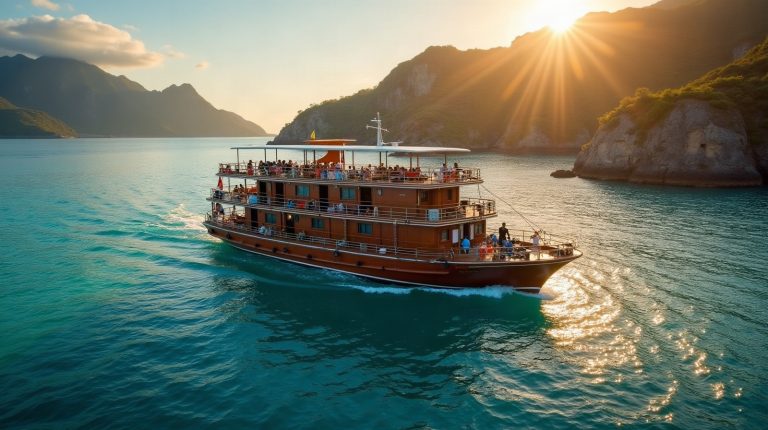
You do not need a marine engineering background to do a basic visual check. Look for functioning life jackets stored where passengers can reach them, a first aid kit that is visibly stocked, a working engine with a backup plan discussed by the crew, and a captain or boat crew that pays attention to weather and sea conditions rather than departing on a fixed schedule regardless of conditions. On a day trip by speedboat from Labuan Bajo, ask how the operator handles a change in weather mid-route — a shop with a real safety culture will have a clear answer, not a shrug.
How Should You Read Reviews Without Being Misled?
Reviews are useful, but only as one input. Read a handful of the most recent ones rather than only the top-ranked ones, and pay attention to how the operator responds to any negative feedback — a calm, specific response tells you more than the star count itself. Beyond reviews, ask the operator direct questions before booking: how long they have operated in Labuan Bajo, what happens if conditions force a change of dive site, and whether they can put you in touch with a recent guest. An operator that welcomes these questions is generally more trustworthy than one that only points you back to a review page.
How to Choose a Safe Dive Shop in Labuan Bajo: A Step-by-Step Checklist
Once you understand why each factor matters, choosing a safe dive shop in Labuan Bajo becomes a short, practical checklist rather than a guessing game. Use the table below before you confirm any booking.
| What to Check | Why It Matters |
|---|---|
| Certifying agency and current instructor/divemaster cards | Confirms training standards are real, not just claimed |
| Liability insurance and diver accident insurance policy | Determines who is financially responsible if something goes wrong |
| On-boat safety equipment (oxygen, first aid, radio, life jackets) | Directly affects response time in an emergency |
| Guide-to-diver ratio, especially at current sites | More divers per guide means slower reaction to a problem |
| Boat condition and weather-change protocol | Shows whether safety judgment overrides schedule pressure |
| Recent, specific reviews and direct answers to your questions | Reveals consistency between marketing and actual practice |
| Park fee and ranger inclusion | As of 2026, both are mandatory in Komodo National Park and their absence from a quote is a red flag |
That last point is easy to overlook: every legitimate operator must factor in the Komodo National Park entrance fee and a licensed ranger on board. If a quote looks unusually low, ask what it does not include before assuming it is simply a good deal.
When Is the Best (and Safest) Time to Dive in Komodo National Park?
Timing affects both what you will see and how demanding the diving will be. Manta season typically runs from December through February, drawing divers toward Manta Point and nearby central sites. Overall visibility across the park tends to be at its best from April through November, though currents and conditions vary considerably from site to site and month to month, so even in the same week Castle Rock and Batu Bolong can feel like different dive trips. A shop that adjusts its site selection and briefing to the season — rather than running the same fixed itinerary year-round — is another quiet sign of a well-run operation.
Day Trip, Course, or Liveaboard — Does the Safety Checklist Change?
The core checklist above applies whether you are booking a single speedboat day trip from Labuan Bajo, an open water or advanced course, or a multi-day liveaboard through the park. What changes is the emphasis: a course puts more weight on instructor certification and in-water supervision, while a liveaboard puts more weight on boat safety equipment and crew experience over several days and multiple dive sites, including the stronger northern currents. If you are comparing formats, it is worth reviewing our exclusive diving packages in Labuan Bajo, which lay out day trip, course, and liveaboard options side by side so you can match the right format to your certification level and comfort with current.
Ready to Dive With a Vetted, Safety-First Operator?
We built this guide because we would rather you ask hard questions before you book than find out the answers underwater. Labuan Bajo Diving is part of the Komodo Luxury network, itself part of Juara Holding Group, which has operated travel and dive experiences from Bali across Indonesia since 2015. You can browse our Labuan Bajo Diving homepage for an overview of every trip we run, or read more about our approach on the about page.
Prices for any dive trip, course, or liveaboard are indicative and depend on group size, season, and site selection, so always confirm final details directly before booking. If you would like help matching your certification level and schedule to the right dive shop and itinerary in Labuan Bajo, message us on WhatsApp at +62 811-3823-875 or email sales@komodoluxury.com — we are happy to answer the same safety questions raised in this article, honestly and in detail, before you commit to any trip.