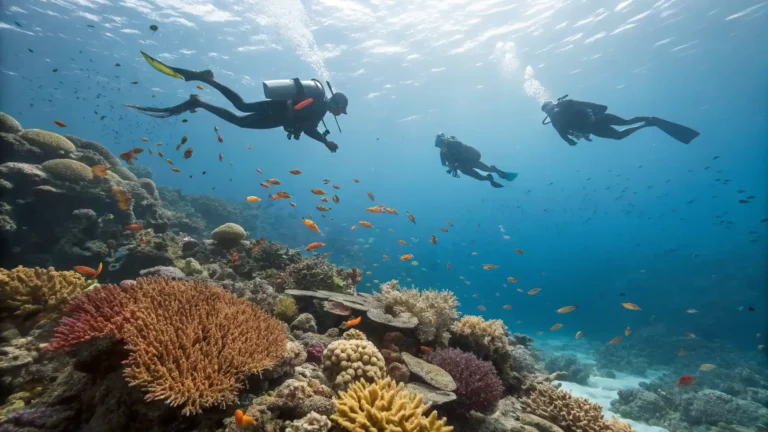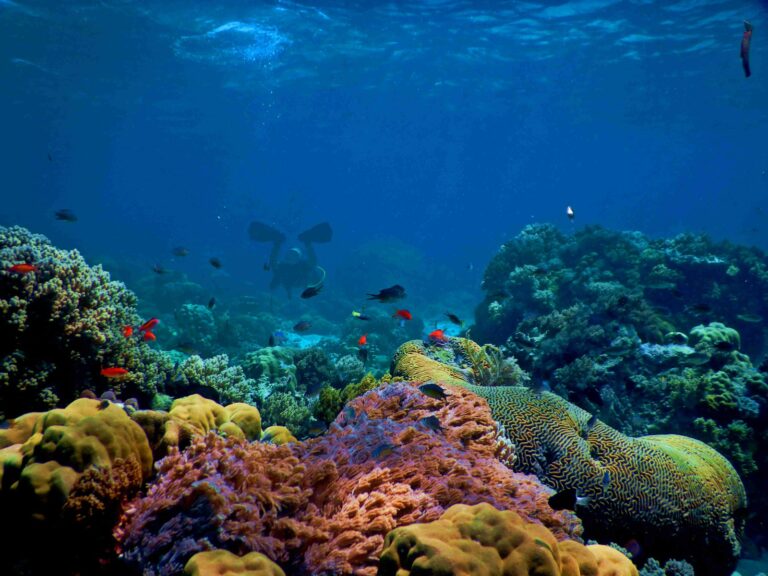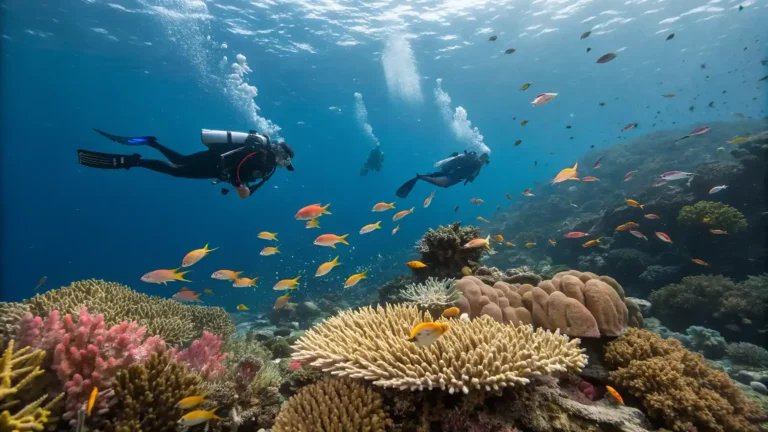
A Komodo underwater photography dive charter is a private boat run entirely at a photographer’s pace: you choose the sites, you decide how long each dive lasts, and you can dive the same cleaning station twice in one day if the mantas are behaving. This is not a regular dive trip that tolerates a camera — it is a charter designed from the first briefing around light, subjects, and repeat opportunities.
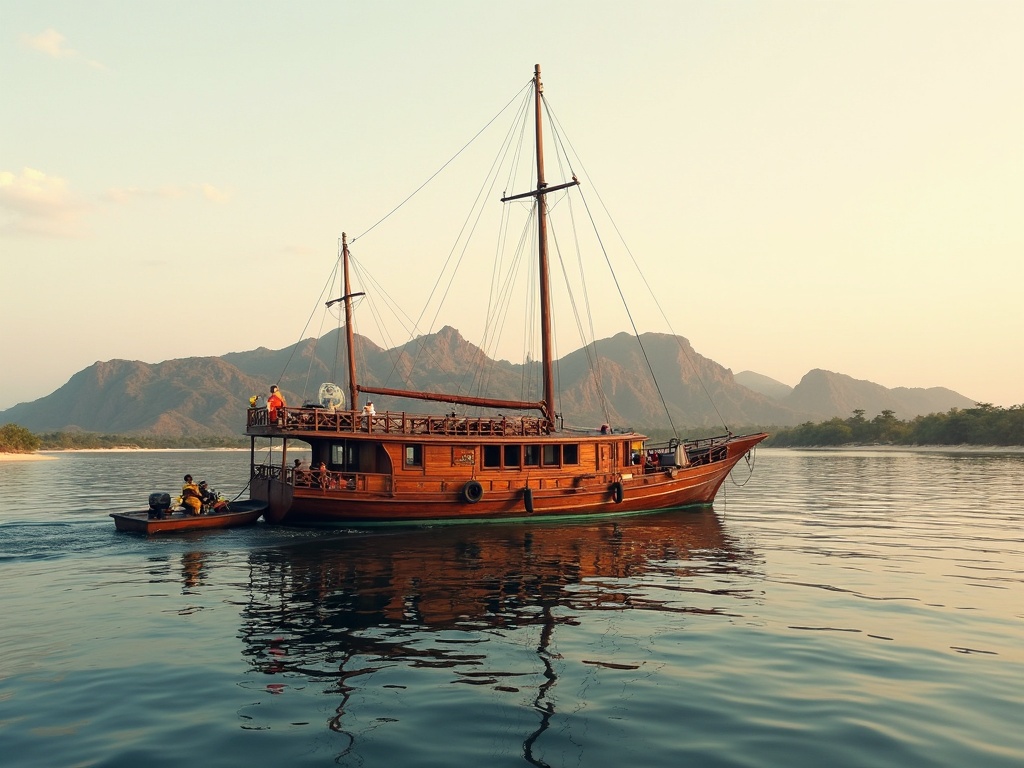
Labuan Bajo Diving arranges these photography charters inside Komodo National Park on vessels operated by Komodo Luxury, from fast day boats to multi-day phinisi. Because every photographer’s kit, target list, and certification level is different, the itinerary and the price are built per request — this page covers what a photography-first charter changes, and what an indicative budget looks like.
Why Photographers Outgrow the Group Boat
On a shared schedule, the dive ends when the group’s plan says it ends. You find a pygmy seahorse at 24 metres, frame it, adjust your strobes — and the guide signals the group to move on because fifteen other divers need to see three more points before lunch. Standard Komodo diving packages are excellent value for most divers, but they are paced for coverage, not for craft.
A private charter inverts that logic. The boat waits for you. If the first dive at a site produces the conditions you came for, the second dive happens at the same site, on the same subject, with your settings already dialled in. If a site is blown out by current or plankton, the captain repositions without a committee vote. For working photographers and serious hobbyists, that control is the entire product.
Pacing Built Around the Shot, Not the Schedule
Three pacing principles define how we run a photography charter in Komodo:
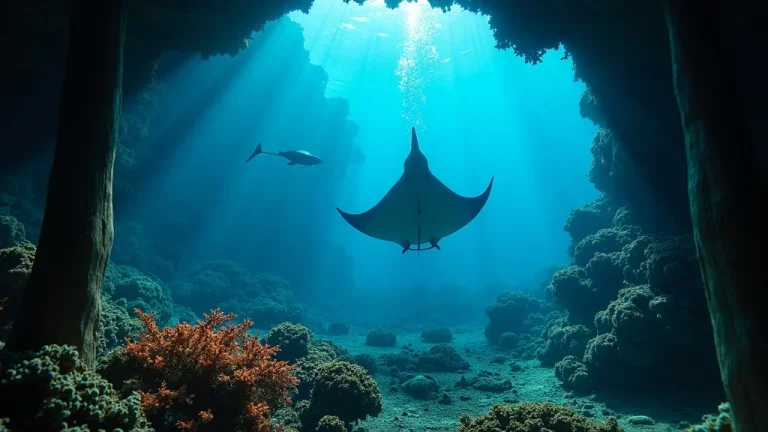
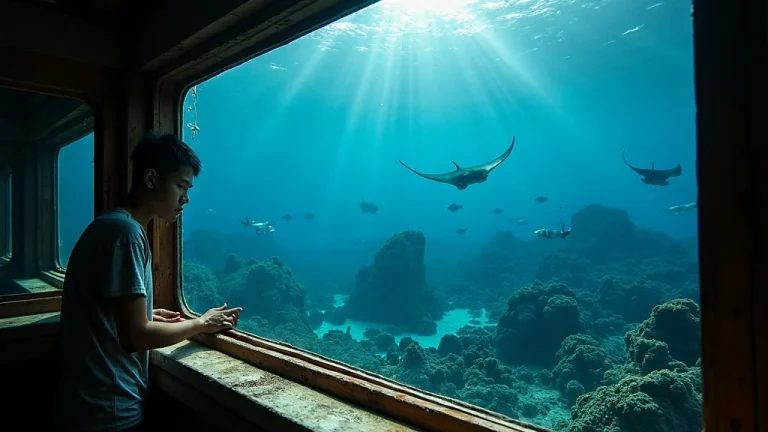
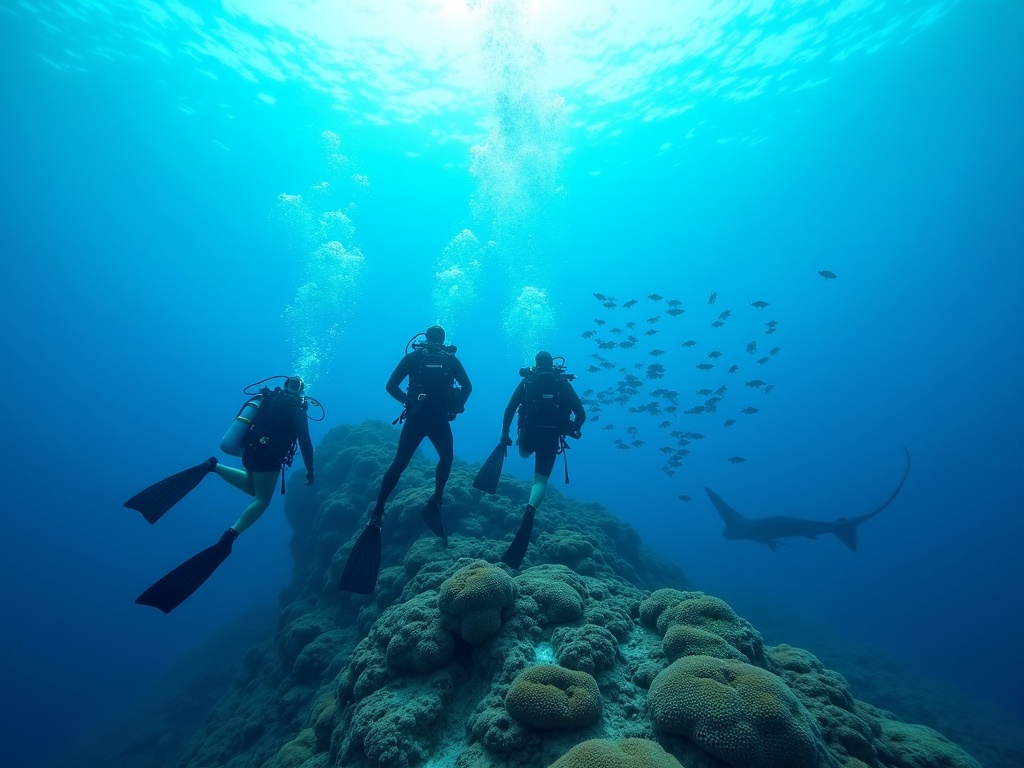
- Long bottom time where it counts. Manta Point (Karang Makassar) is a shallow rubble reef at roughly 8–18 metres with gentle to moderate drift — depths where air lasts and no-deco time is generous. Instead of drifting past the cleaning stations, your guide parks the group at a productive bommie and you wait. Reef mantas (Mobula alfredi) circle back to cleaning stations repeatedly, so patience at 12 metres routinely beats covering distance. Indonesia declared its waters a manta ray sanctuary in 2014, and Komodo’s central sites remain among the most reliable places anywhere to photograph these animals behaving naturally.
- Repeat dives at the same site. The single biggest advantage of a private boat. Dive one is the scout: you learn where the subjects hold, how the light falls, where the current seam runs. Dive two is the shoot. Group boats almost never do this; photography charters do it as standard practice.
- Slack-tide timing on the demanding sites. Komodo’s marquee pinnacles carry medium to very strong currents. A private captain can hold position and drop you at the precise tidal window instead of forcing the site into a fixed timetable — which is the difference between a controlled wide-angle session and a white-knuckle drift with the camera pinned to your chest.
Komodo Dive Sites by Photography Genre
Komodo’s strength for photographers is range: muck, biomass wide-angle, ultra-macro, and big animals all sit within one park. A charter lets you sequence them by genre rather than by boat logistics.
Wainilu — Muck and Critter Macro
Wainilu is Komodo’s answer to Lembeh: a silty, unglamorous-looking slope that produces critters most divers never see in the park. Frogfish, nudibranch varieties, juvenile fish in their strangest phases, and other classic muck subjects reward slow, methodical searching. This is a site where a photography charter earns its keep — muck diving at group pace is nearly pointless, because the subjects are found by guides who are given time to hunt. Budget a full, unhurried dive here with a macro lens and a spotter.
Batu Bolong — Fish Biomass and Wide-Angle Drama
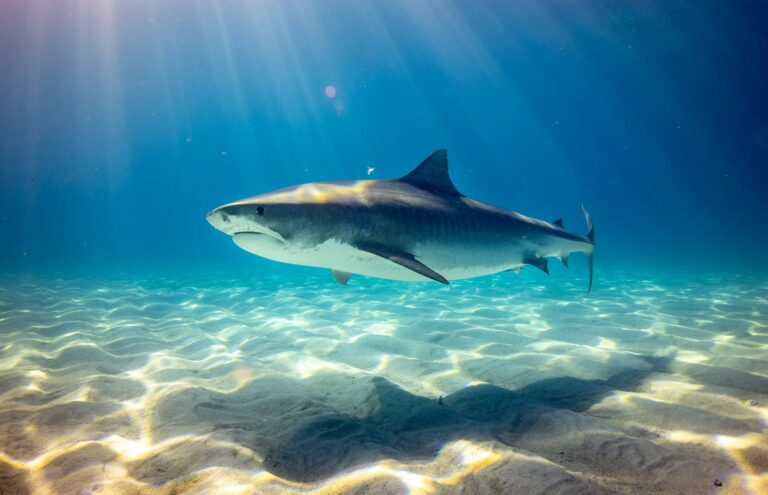
Batu Bolong is a compact pinnacle rising from deep water, diveable from about 5 to 35 metres, and it holds one of the densest fish aggregations in Indonesia: clouds of anthias and fusiliers over pristine hard coral, with reef sharks and turtles moving through. For wide-angle shooters this is the biomass shot. The currents are medium to strong and swirling, so operators generally require Advanced Open Water certification and solid buoyancy — and timing on the slack is essential. A private boat can wait for that window; a scheduled boat often cannot.
Crystal Rock — Pygmy Seahorses and the Park’s Best Visibility
Crystal Rock in north Komodo combines soft-coral colour, schooling jacks and reef sharks with resident pygmy seahorses on its sea fans — a rare site where you can genuinely justify carrying both wide-angle ambitions and a macro plan across two dives. North Komodo also delivers the park’s cleanest water, which is why Crystal Rock features on almost every photography charter we plan. Currents run medium to very strong with split eddies, so this is an advanced site dived on the right tide.
Manta Point (Karang Makassar) — Big Animal Behaviour
Shallow, manageable, and accessible even to Open Water divers, Manta Point is where the long-bottom-time strategy above pays off. One honest note for planning: manta activity often peaks when plankton is thick, which means the richest encounters can coincide with reduced visibility in the central park. A good charter plan treats this as a trade-off to schedule around, not a surprise to discover on the day. Calm, turtle-dense Siaba Besar sits nearby as a reliable backup for relaxed reef and turtle portraits when conditions shift.
The Golden Window: Scheduling Around Visibility
Komodo’s dry season runs roughly April to November, and this is the photography window. In the northern sites, dry-season visibility typically reaches 20–30 metres — the conditions that make Crystal Rock and Castle Rock famous — while central sites generally run 15–25 metres. The best overall balance of calm seas and clean water falls in April–June and September–November, which is when we recommend photographers lock in charter dates.
Water temperature matters for long, slow photography dives: central and north Komodo hold a comfortable 27–29°C for most of the year, but the southern sites can drop to 22–25°C from July to September as Indian Ocean upwelling pushes cold, nutrient-rich water into the park. That same upwelling feeds the south’s explosive invertebrate colour, so shooters heading south in those months should pack a 5 mm suit and expect greener, richer water at 10–20 metres visibility. December to March is wetter and windier in the north, but central sites remain diveable and the park is at its quietest.
Camera Facilities On Board
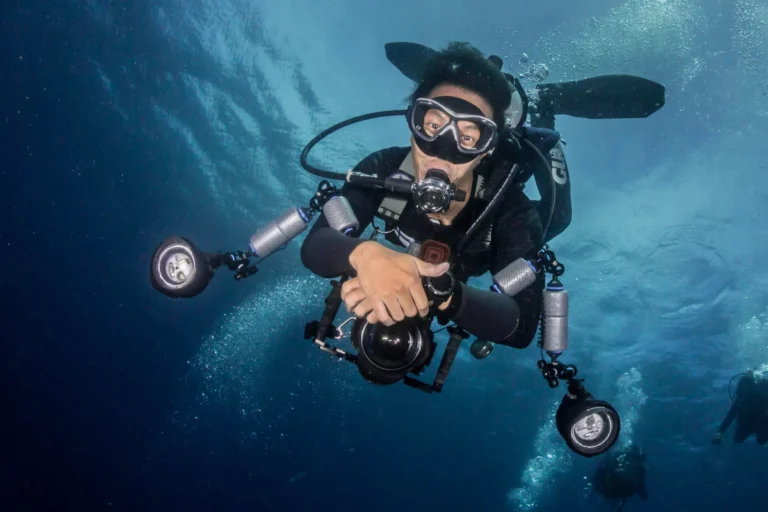
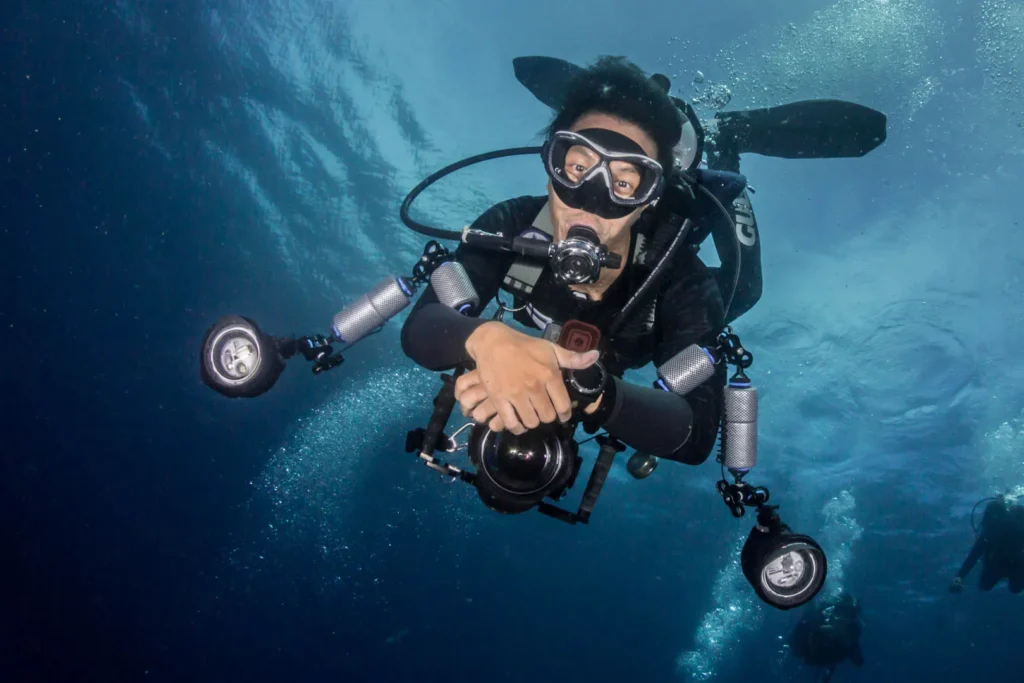
Housings, ports, strobes and arms need dedicated space, and a photography charter is specified accordingly. Depending on the vessel class you select, boats in the Komodo Luxury fleet can be arranged with a dedicated camera table with padding for assembly and lens changes, a separate freshwater rinse tank so housings never share a bucket with masks and dive computers, and charging stations with sufficient outlets for strobes, focus lights, laptops and drone batteries between dives. On multi-day charters, shaded indoor workspace for nightly editing and backup is part of the vessel selection conversation.
Tell us your rig when you enquire — a compact with a single strobe and a full-frame housing with remote lighting have very different space and charging needs, and the boat should match the kit, not the other way around.
Spotter Guides Who Work for the Frame
The second half of the product is the guide. A photography-briefed dive guide does three things differently: they find and point out small subjects (pygmy seahorses, frogfish, nudibranchs) and then hold back out of your frame; they manage the rest of the group’s positioning so nobody’s fins hover over your muck subject; and they plan the dive around your shot list rather than a fixed circuit. On sites like Wainilu, a patient spotter effectively doubles your keeper rate.
Charter Formats and Indicative Rates
Every photography charter is priced to the specific boat, season, group size and itinerary, so treat the figures below as indicative starting points rather than fixed tariffs. Final quotes are tailored over WhatsApp once we know your dates and your kit.
| Charter format | Duration | Best suited for | Indicative rate (per boat) |
|---|---|---|---|
| Private speedboat day charter | 1 day, 2–3 dives | Manta Point sessions, central-park macro | from US$1,200 |
| Phinisi overnight charter | 2D1N | North sites on the right tide + sunset/sunrise light | from US$2,800 |
| Photography liveaboard charter | 3D2N | Full genre circuit: north visibility, central mantas, Wainilu muck | from US$4,500 |
| Extended north–south circuit | 4D3N and up | Southern upwelling colour + complete shot list | on request |
| VIP / VVIP yacht with dive support | flexible | Mixed groups, film projects, maximum comfort | on request |
Rates vary with vessel class, season and Komodo National Park fees, and are confirmed only in a written quote. For multi-day options at the top end of the fleet, see our luxury Komodo dive liveaboard page; if you are a group of photographers splitting costs — a dive club or a workshop group — the group dive charter format usually prices more efficiently than individual bookings.
Frequently Asked Questions
Do I need an advanced certification for a Komodo photography charter?
Not for every site. Manta Point and Siaba Besar are accessible to Open Water divers, so a productive big-animal and turtle charter is possible at any level. Batu Bolong, Crystal Rock and the other current-swept pinnacles generally require Advanced Open Water certification, drift experience and confident buoyancy. We build the site list around your certification and comfort, not the other way round.
When is the best time for underwater photography in Komodo?
The dry season, roughly April to November, with April–June and September–November offering the best combination of calm seas and visibility. North Komodo reaches 20–30 metres of visibility in this window. If mantas are your priority, be aware that plankton-rich water often improves encounters while reducing visibility — we schedule around that trade-off with you.
Can we dive the same site twice in one day?
Yes — that is one of the main reasons photographers charter privately. A scout dive followed by a shoot dive at the same site is standard practice on our photography charters, subject to tides and park logistics.
What camera facilities are available on board?
Depending on the vessel selected: a padded camera assembly table, a dedicated housing rinse tank, and charging stations for strobes, lights and laptops. Facilities differ by boat class, so tell us your rig when you enquire and we will match the vessel to it and confirm everything in writing before you book.
How much does a private photography charter cost?
Indicative starting points are from US$1,200 for a private day charter and from US$4,500 for a 3D2N liveaboard charter, per boat. Because kit, group size, season and vessel class all move the number, every quote is tailored individually over WhatsApp — there is no fixed price list.
Plan Your Photography Charter
Send us your target shot list, your certification level, your travel dates and a note on your camera rig, and we will come back with a site-by-site itinerary and a written quote on a boat that fits. Message us on WhatsApp at wa.me/628113823875 or email sales@komodoluxury.com — the golden-window dates in April–June and September–November book out first, so early enquiries get the best vessel choice.