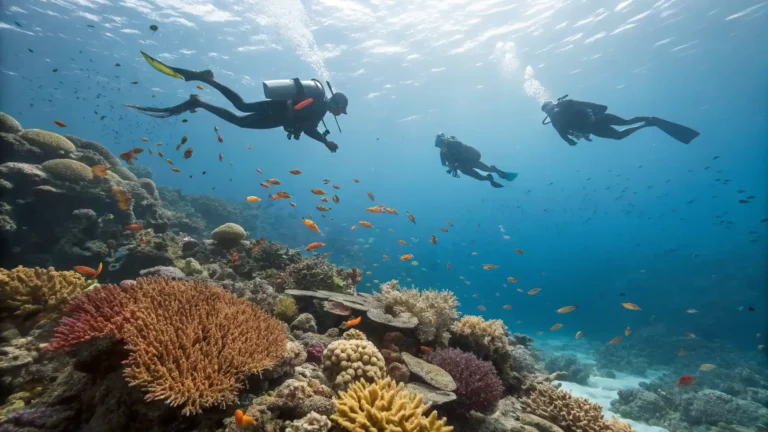
Bali and Komodo are not competitors — they are two different kinds of diving, and the smart move is to do both. Bali has its own well-earned character, and many divers use it as the comfortable base where they train, warm up, and log easy days. What Bali cannot replicate is what happens ninety minutes east of it: a national park where tidal currents funnel between islands and switch the ocean into feeding mode.
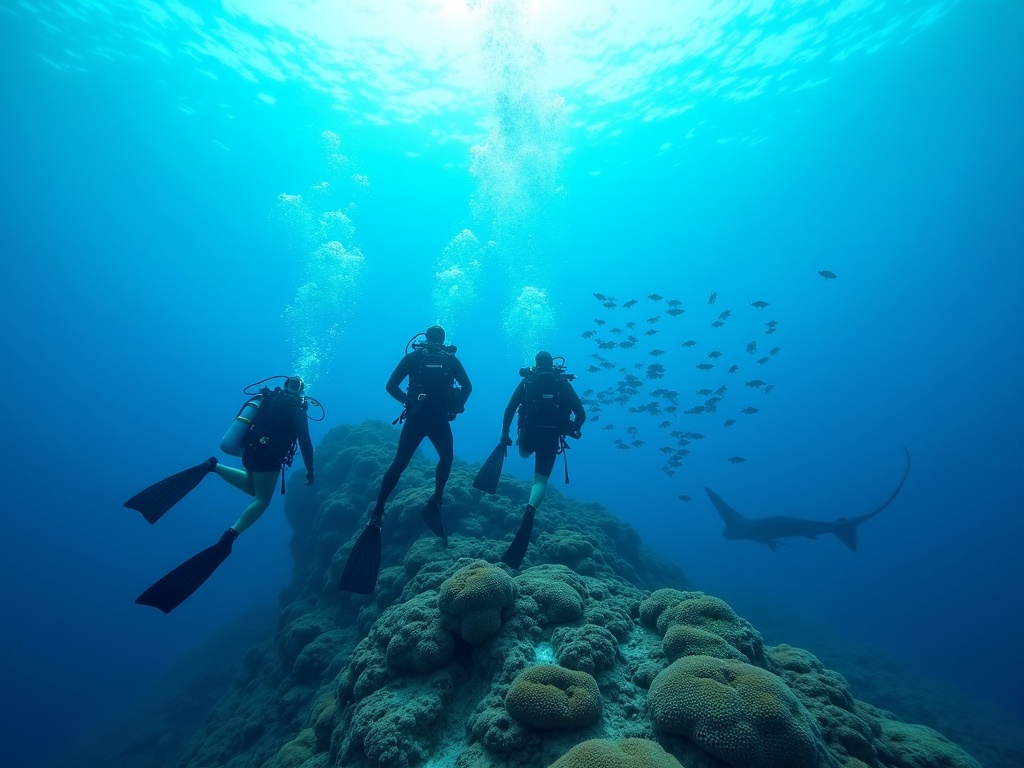
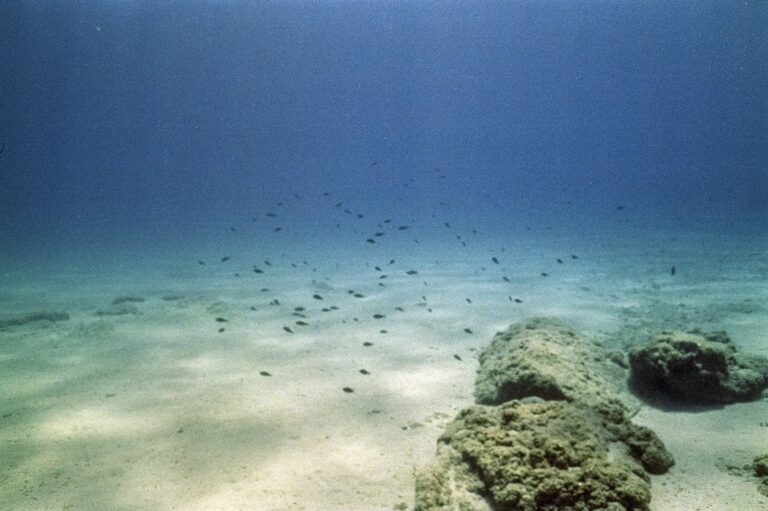
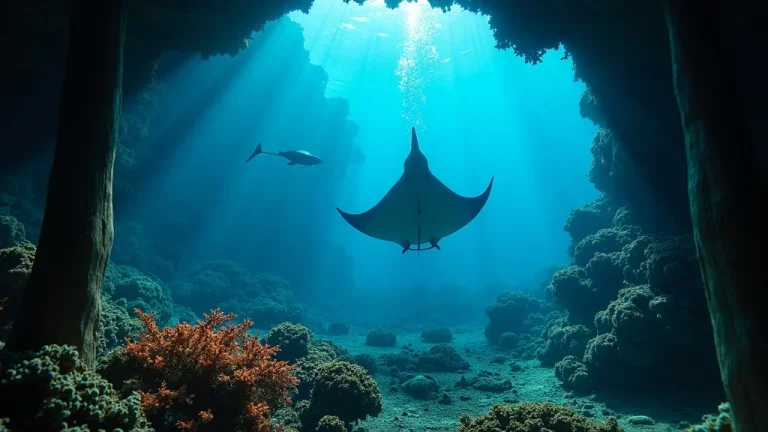
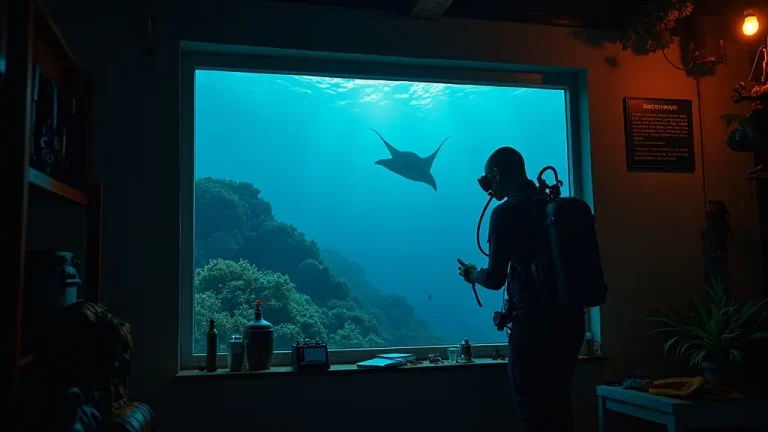
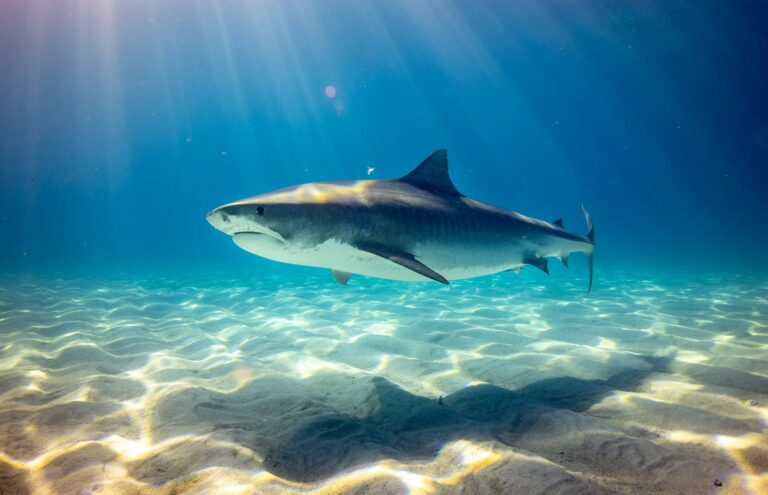
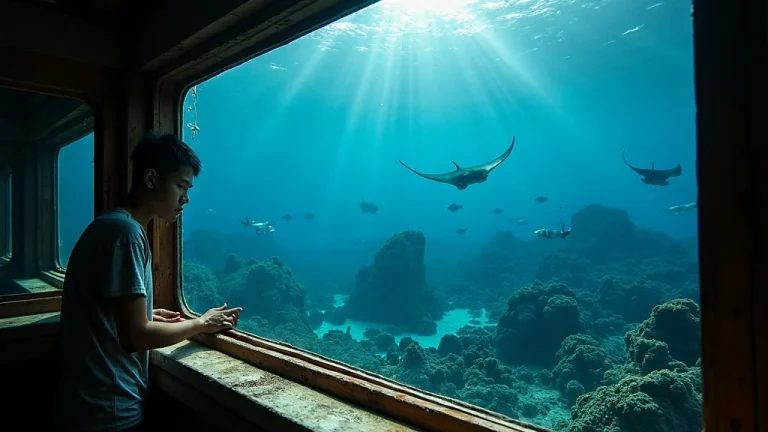
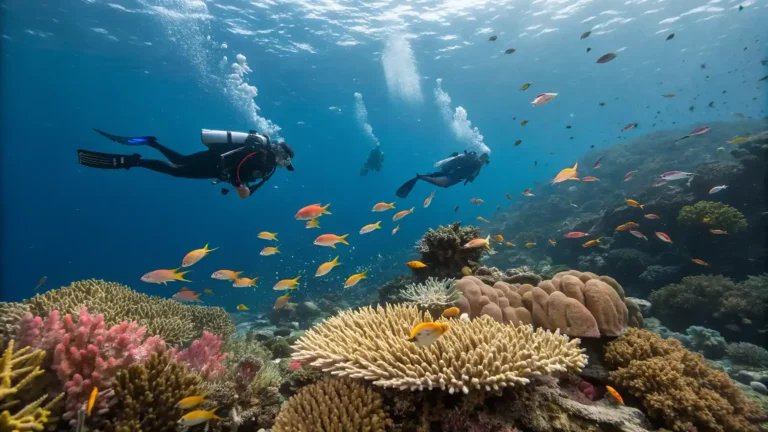
Three things make the crossing worth it. First, the mantas: Indonesia declared its waters a manta ray sanctuary in 2014, and Manta Point (Karang Makassar) is the most reliable central-Komodo site for reef manta encounters, with cleaning and feeding behaviour on a shallow rubble reef that Open Water divers can handle. Second, the sharks and pelagics: north Komodo seamounts like Castle Rock regularly deliver white-tip and grey reef sharks, giant trevallies, and dense schools of fusiliers. Third, sheer fish biomass: Batu Bolong is a single compact pinnacle so thick with anthias, surgeonfish, turtles, and passing hunters that it is widely ranked among Indonesia's best dives — a concentration of life on one rock that has no real equivalent on a Bali reef. For a deeper side-by-side, see our Labuan Bajo diving vs Bali diving comparison.