Shared trip (per seat)
- Typical group size
- 1–5 divers
- Duration
- Day trip or liveaboard cabin
- How pricing works
- Published per-diver rates on our packages pages
A Komodo group dive charter means taking over an entire boat — crew, guides, tanks and itinerary — exclusively for your dive club, dive shop trip, or group of friends, usually 6 to 16 divers. Booked as a full boat, you control the schedule and the dive sites, and once the boat fills, the per-diver cost typically lands close to, and often below, what each person would pay buying individual seats on a scheduled trip.
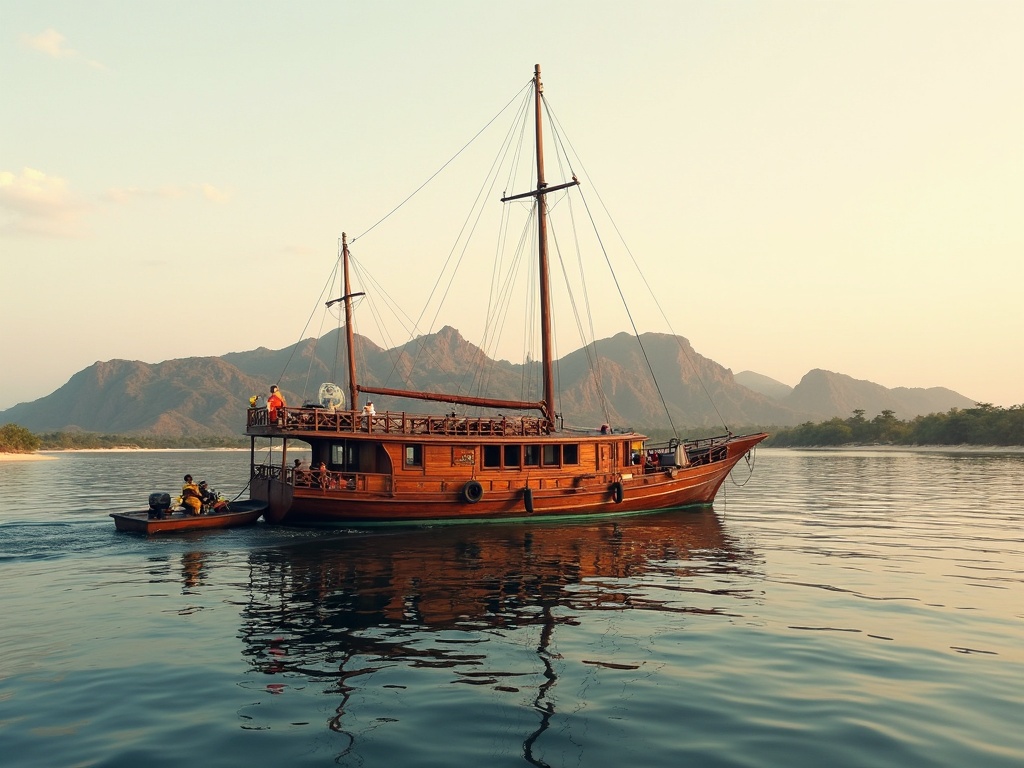
This page covers how full-boat pricing works, which boat classes suit which groups, and the part most operators gloss over: planning a charter when your group mixes newly certified Open Water divers with current-hungry veterans. We plan these charters on the Komodo Luxury fleet, so a quote comes back with named vessel options rather than a vague "contact us".
On a scheduled trip you pay per seat, share the boat with strangers, and dive whichever sites the operator has planned. That model works well for solo travelers and couples — exactly what our per-seat Komodo diving packages are built for — but it starts to work against you once your group reaches about six divers.
Komodo's best sites are tide-dependent; a private boat can time slack-water windows at demanding pinnacles instead of racing the day-boat fleet.
One guide per four divers, or a dedicated guide for newer members — on a charter that is a planning decision, not a lucky draw.
Partners and kids can join, snorkel suitable sites, and do the Padar and dragon-trekking add-ons without buying a dive seat they will not use.
A charter flips the math. The boat has one price for your dates, and every additional diver divides that price further while adding very little cost. As a rule of thumb, a full-boat charter becomes competitive at around six to eight divers, and at ten or more it is usually cheaper per head — while you keep the whole boat to yourselves. The exact break-even depends on vessel class, trip length and season, which is why for borderline group sizes we quote both options side by side.
Money aside, three things matter more to clubs than the per-head figure:
There is no honest one-size price for a Komodo charter: rates move with the vessel, the number of nights, and the season. The table below shows the structure; every figure is quoted per vessel and confirmed in writing.
Treat any rate published online for a named vessel as indicative until confirmed for your dates. Komodo National Park entry and diving fees are regulated and subject to change, so we itemize them in the quote rather than burying them in a headline price.
The charters we plan run on the Komodo Luxury fleet, tiered into classes so a group can match the boat to its budget and style.
Deluxe class boats — vessels such as Amore, Dinara and Delilah — are comfortable phinisi-style liveaboards for dive clubs who care more about time in the water than marble bathrooms. Cabins are practical, deck space handles briefings and gear, and the charter rate keeps per-head costs sensible for larger groups. Browse the current deluxe charter fleet to see what this class looks like.
VIP class boats — vessels such as Adishree and Ahsana — step up to en-suite cabins, larger crews and more refined common areas. This class fits dive shops running a premium annual trip, mixed groups with non-diving guests, or clubs that want the surface intervals to feel like a holiday too. The VIP charter fleet shows the range within this tier.
Cabin layouts vary boat to boat, so tell us your group size and cabin preference — twins for a club, doubles for couples — and we shortlist two or three vessels that genuinely fit, instead of forcing sixteen people onto a hull built for ten.
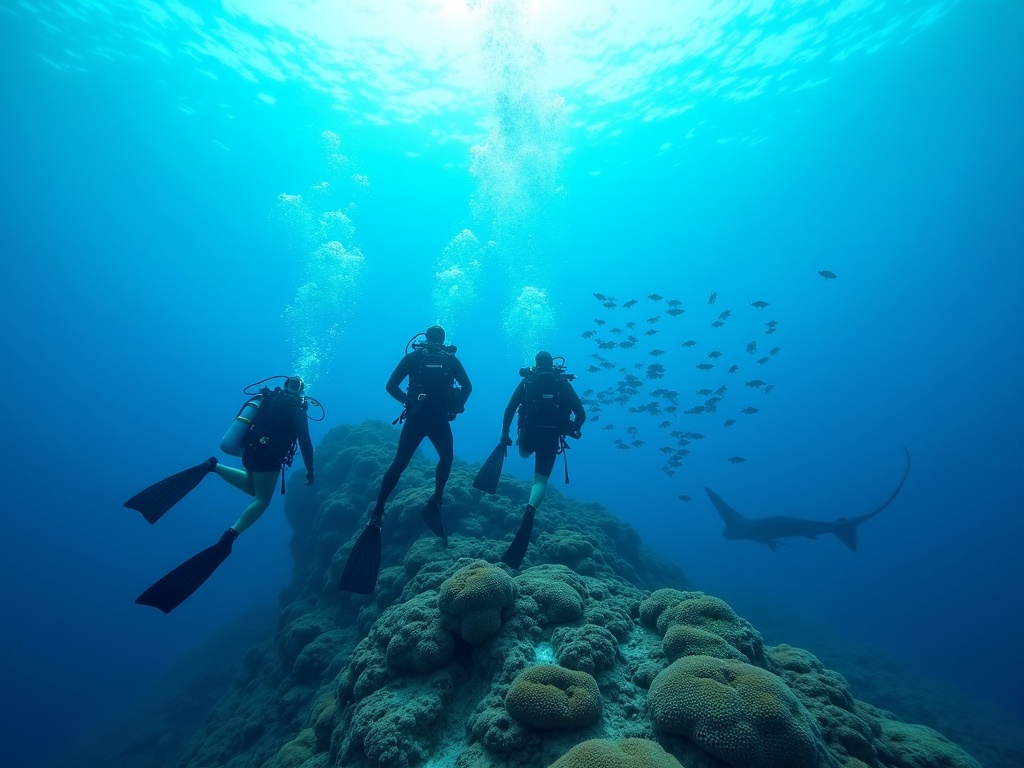
Almost every club or friend group we quote has the same shape: a core of experienced divers who came for the famous northern sites, plus a few newer Open Water divers along for the trip. Komodo punishes itineraries that ignore this, because its headline sites are genuinely advanced:
Castle Rock — a submerged seamount at roughly 15–40 m with strong to very strong currents. Operators typically require Advanced Open Water plus around 20–50 logged dives; expect negative entries and reef hooks.
Shotgun and The Cauldron — a high-adrenaline channel drift that is only dived on specific tidal phases; many operators ask for 30–50 logged dives and solid drift experience.
Batu Bolong — swirling medium-to-strong currents with down-current risk on the edges. Expect an AOW requirement, drift experience and good buoyancy; some operators ban snorkeling here entirely.
Central Komodo is where newer divers thrive:
How we turn that reality into a charter plan:
Members who qualify for the northern sites can preview those days on our advanced diving trips page — the same site profiles apply on a private charter, just on your schedule.
One-day central charter. Check dive at Siaba Besar, a manta drift at Karang Makassar, and a third dive at Tatawa Besar's soft-coral slope. Works for fully mixed groups; snorkelers can join at the manta site.
3D2N split-level liveaboard. Central sites and check dives on day one; northern pinnacles for qualified divers on day two, timed to slack windows; Padar viewpoint, Pink Beach and dragon trekking woven around the diving. The most requested format for clubs on a long weekend.
4–6 night dive safari. For advanced groups, longer charters add south Komodo — Manta Alley and Cannibal Rock — where Indian Ocean upwelling can drop water to roughly 22–25°C between July and September, so pack 5 mm suits. The route logic is on our Komodo dive safari page; a group charter runs it as a private departure.
The dry season from April to November is the prime window, with April–June and September–November offering the best mix of calm seas and visibility. Northern sites often see 20–30 m visibility in the dry season, central sites typically 15–25 m — which can drop when plankton blooms in, precisely when the mantas feed. Water in the north and central park sits around 27–29°C most of the year.
December to March is wetter and often windier in the north, but central sites remain divable and boats are far easier to secure. For a full-boat charter this matters more than for seat bookings: in July–August and around holiday weeks, desirable vessels get locked in early, so groups targeting peak dates should start the conversation several months ahead. Our Komodo diving seasons guide goes deeper on month-by-month conditions.
Group charters run on a simple, repeatable process — whether you are a club secretary organizing your first trip or a dive shop that runs one every year:
Scope chat. Group size, certification mix, target dates, nights, cabin configuration, and a rough budget band per person.
Shortlist and hold. Two or three vessels with indicative charter quotes, plus an option hold on the preferred boat while you poll members.
Dive résumés and rooming list. Certification level and logged dives per diver, so the itinerary is drafted around actual experience.
Final manifest and payment schedule. Deposit and balance terms vary by vessel and are confirmed in writing, with inclusions listed.
For dive shops and repeat organizers: leader berths, group discounts and resale terms are agreed per charter rather than published as a blanket rule, because they genuinely differ by vessel and season — ask, and we set the organizer terms out explicitly in the quote. Every diver should bring certification cards, and dive travel insurance is strongly recommended.
As a rule of thumb, a charter becomes competitive at around six to eight divers and is usually cheaper per head from ten upward. Because the break-even depends on the vessel and season, we quote charter and per-seat options side by side for borderline group sizes so you compare real numbers.
Yes — one of the strongest arguments for a private boat. Snorkelers can join at suitable sites such as Manta Point, and everyone shares the land excursions. Some sites, like Batu Bolong, are diver-only under operator safety protocols. Non-diver rates are lower and quoted on request.
For Castle Rock, Crystal Rock and Batu Bolong, expect Advanced Open Water plus roughly 20–50 logged dives with drift experience; Shotgun often carries the strictest requirement, around 30–50 logged dives. Open Water divers still get world-class turtle reefs and manta drifts in central Komodo.
For July–August departures and holiday weeks, start several months ahead — full boats disappear from the calendar long before individual seats do. Shoulder-season dates are more flexible, and we can usually place a short option hold while your group confirms numbers.
Park entry and diving fees are set by the national park and subject to change; we itemize them in your quote and confirm the applicable fee structure in writing at booking, so there are no surprises on the boat.
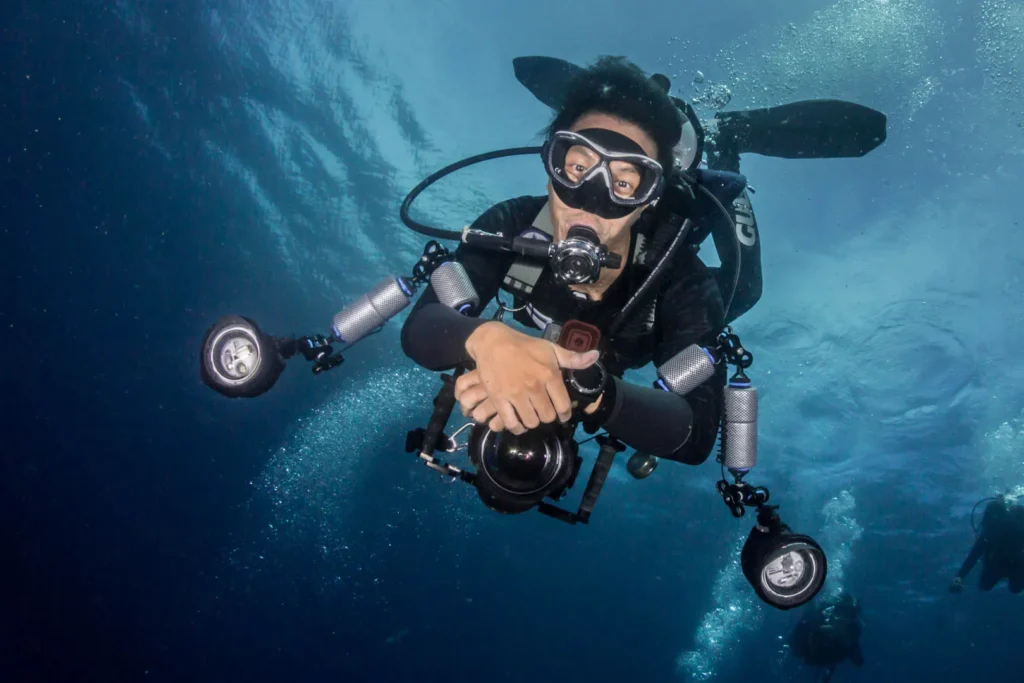
Send your group size, rough dates, certification mix and whether you are leaning deluxe or VIP, and we reply with an indicative Komodo group dive charter quote and two or three vessel options — usually within 24 hours. Message us on WhatsApp at wa.me/628113823875, email bd@juaraholding.com, or use the form on our contact page.
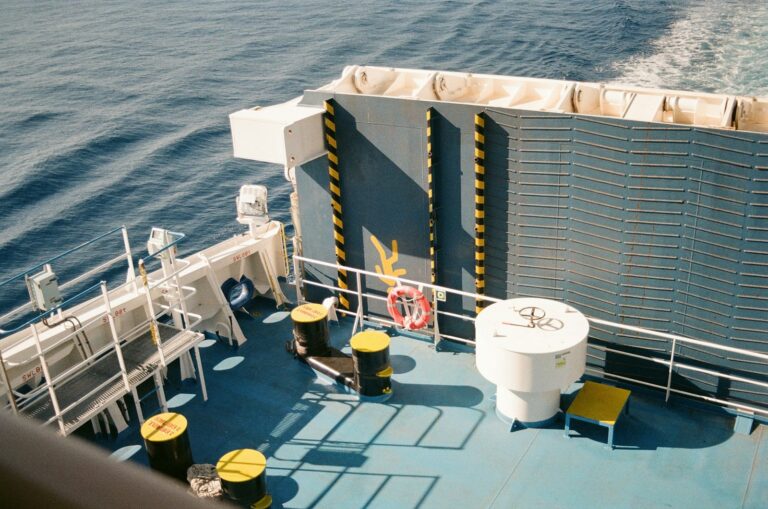
2–3 dives a day from Labuan Bajo.
Explore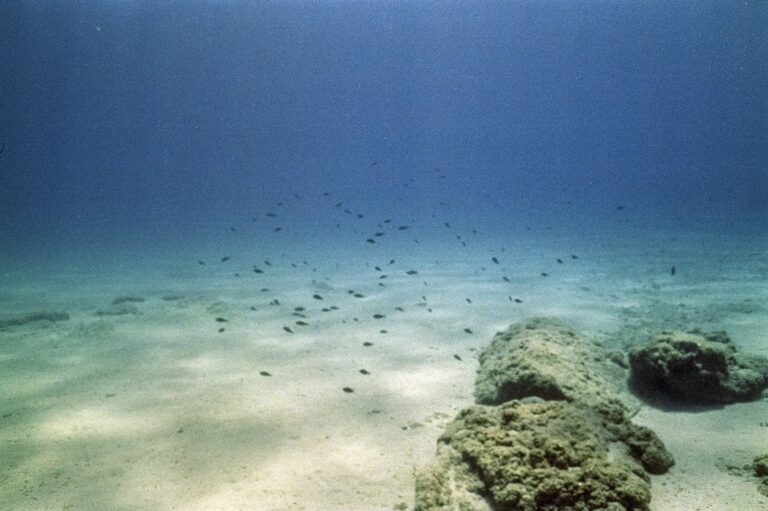
Castle Rock, Shotgun, current-swept pinnacles.
Explore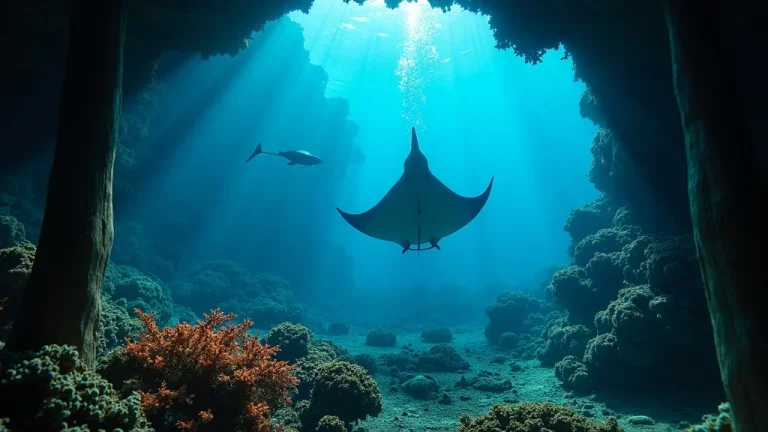
Karang Makassar drift, Open-Water friendly.
Explore
Sheltered-bay macro after dark.
Explore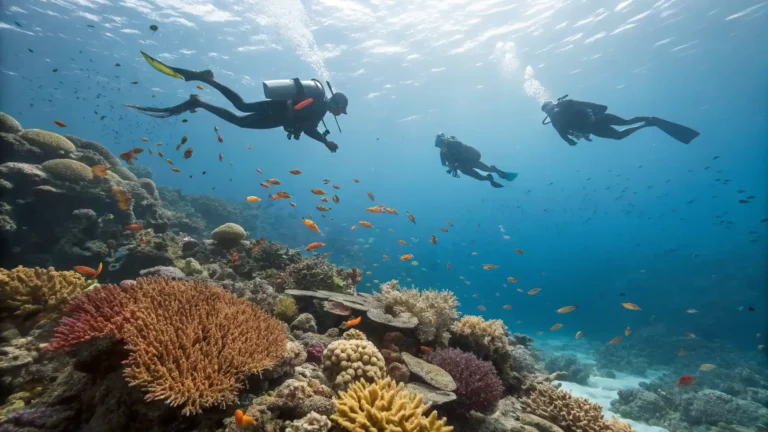
EANx trips, fills and certification.
Explore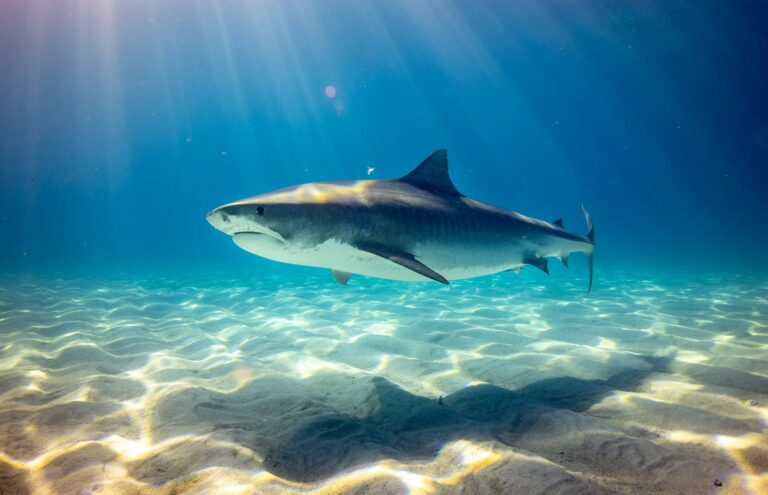
North to south, every zone in one trip.
Explore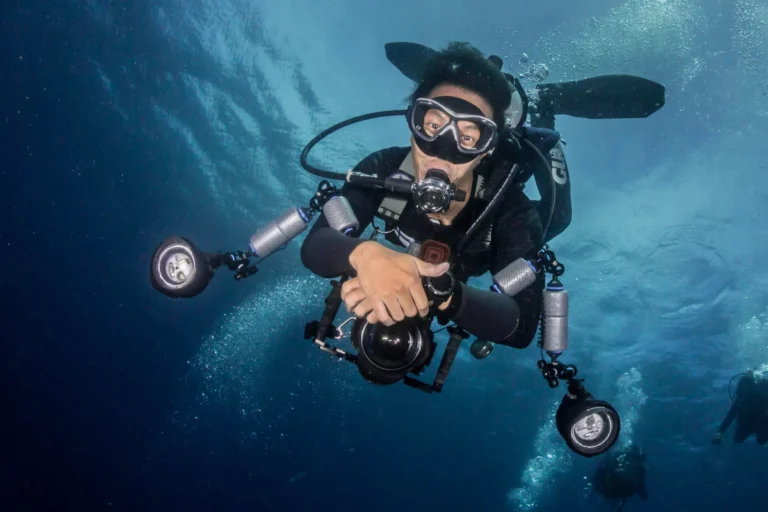
VVIP phinisi with full dive service.
Explore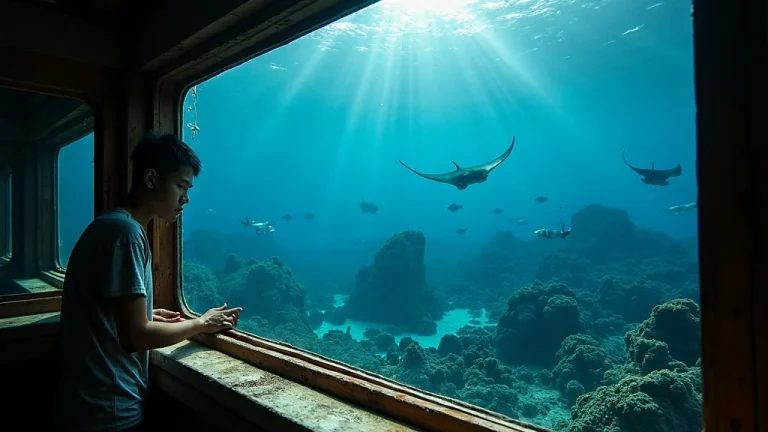
Morning dives, Labuan Bajo nights.
Explore
Flights, dives and full trip planning.
Explore
Private boat at a photographer’s pace.
Explore
Mild beginner sites, mixed snorkel days.
Explore
Private-feel pairing for couples.
Explore