North
- Water temperature
- 27–29°C
- Visibility
- 20–30 m in dry season
- Current character
- Strong to very strong on pinnacles; up to 5–7 knots
- Signature sites
- Castle Rock, Crystal Rock, Shotgun
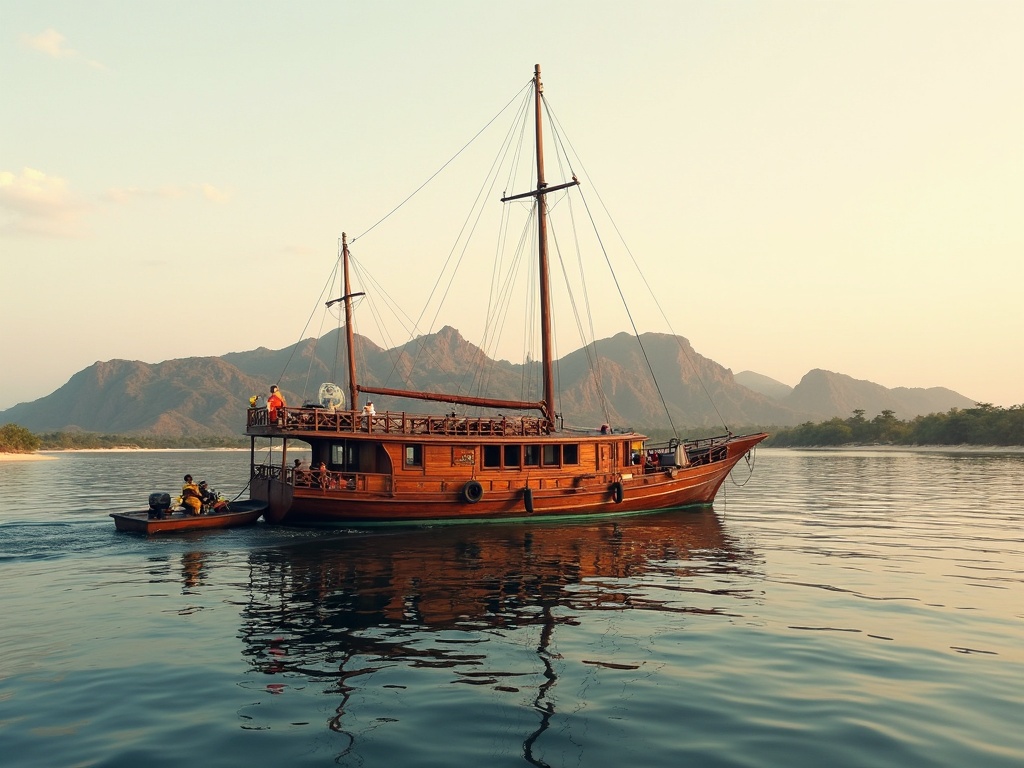
A Komodo dive safari is a multi-day liveaboard route that dives all three zones of Komodo National Park — north, central and south — in a single 5–7 day trip. It is the only trip format that delivers the park's full contrast: clear, current-swept shark pinnacles in the north, reliable manta cleaning stations in the centre, and cool, nutrient-rich southern reefs that no day boat from Labuan Bajo can reach.
Komodo's three zones behave like three different oceans: warm, clear Flores Sea water in the north; Indian Ocean upwelling in the south that drops the temperature and turbo-charges marine life; and a central band between them where mantas gather over shallow rubble reefs. A safari strings them together deliberately, diving each zone when tide and season favour it. This page covers each leg, the real numbers on temperature and visibility, how the dives break down across 5–7 days, and indicative costs.
Day boats out of Labuan Bajo do the central sites well and can push to the northern pinnacles on a fast boat. What they cannot do is reach the far south — Manta Alley and the Horseshoe Bay sites sit hours beyond practical day-trip range, so divers who only book day trips leave Komodo without ever seeing its most distinctive zone. If you are weighing the two formats in detail, our comparison of a Komodo day trip versus a liveaboard runs the numbers, but the short version is simple: a safari is the only way to log the whole park.
There are two quieter advantages. Timing: many marquee sites are tide-dependent, and a liveaboard positions itself overnight to dive them at slack or on the favourable phase. Repetition: at three to four dives a day, you can dive Castle Rock more than once and watch it change with the current. For the park beyond diving — trekking, beaches, the dragons — the Komodo National Park destination guide from Komodo Luxury is a useful companion to this page.
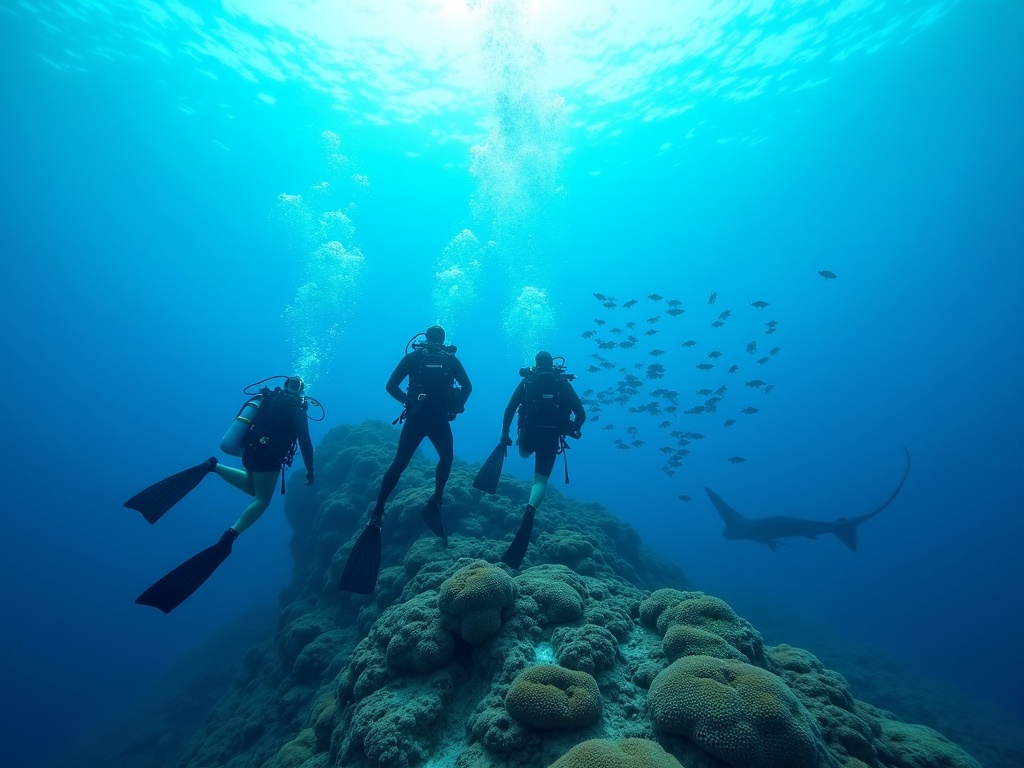
The north is Komodo at its most cinematic. Castle Rock is a submerged seamount running roughly 15–40 m, and when the tide runs it becomes the park's classic "washing machine": white-tip and grey reef sharks patrolling the up-current side, giant trevallies hunting through walls of fusiliers, and rainbow runners streaming overhead. Currents range from strong to very strong — on the park's marquee sites they can reach 5–7 knots — so operators typically ask for Advanced Open Water certification plus roughly 20–50 logged dives, with prior drift experience. Negative entries and reef hooks are standard practice here.
Nearby Crystal Rock breaks the surface at low tide and offers some of the best visibility in the park, with soft corals, pygmy seahorses, schooling jacks and occasional eagle ray or manta fly-bys across its 5–35 m plateaus. Its split currents and eddies can be trickier than Castle Rock's, which is why the northern leg usually anchors the advanced portion of a safari. The Cauldron and Shotgun drift through the Gili Lawa channel — advanced-only, dived on specific tidal phases — often rounds out this leg. If your logbook is ready for these conditions, our Komodo advanced diving trips are built specifically around these northern pinnacles.
The central zone is the relief valve of the safari — warm, mellow and generous. Manta Point (Karang Makassar) is a long, shallow rubble reef at 8–18 m with coral bommies acting as cleaning stations, and it is the most reliable central-Komodo site for reef manta (Mobula alfredi) encounters. Currents run gentle to moderate, which makes it accessible to Open Water divers and even snorkellers; Indonesia declared its waters a manta ray sanctuary in 2014, and the population here shows it.
Siaba Besar — nicknamed Turtle City — is a calm 5–18 m coral garden with a high density of green turtles, frequently used as the safari's check-dive on day one. Its smaller sibling Siaba Kecil adds a mild-to-moderate drift for divers stepping up. Tatawa Besar and Tatawa Kecil contribute colourful soft-coral slopes that photographers tend to rank among their favourite reefs of the trip. Central visibility typically sits at 15–25 m and can drop when plankton blooms — which is precisely when the mantas feed, so a green day here is usually a good day.
The south is why the safari exists. From roughly July to September, Indian Ocean upwelling pushes cool, nutrient-dense water onto the southern reefs, dropping temperatures to 22–25°C and feeding the richest macro and invertebrate life in the park. Visibility is more variable at 10–20 m and often greener, but what the water lacks in clarity it repays in density of life.
Manta Alley, off southern Komodo island, is the park's other great manta aggregation, drawing rays to its channels when the plankton runs thick. Further east, Cannibal Rock in Horseshoe Bay is routinely described as one of the richest single dive sites in Indonesia: a small seamount carpeted in sea apples, crinoids and soft coral, crawling with frogfish, nudibranchs and rare macro subjects, with Rinca's dragons sometimes visible on the beach during your surface interval. Our full north versus south Komodo diving comparison goes deeper on how differently these two ends of the park dive.
The table below summarises typical dry-season conditions. Treat the figures as planning ranges, not guarantees — Komodo is tidal, and every week is its own weather system.
The certification picture follows the same gradient: central sites suit newly certified Open Water divers, while the northern pinnacles generally call for Advanced Open Water and 20–50 logged dives. Most safaris are sequenced so the easy central dives come first and the demanding northern dives arrive once the group has found its rhythm.
A typical safari departs Labuan Bajo, works the central zone first, pushes north, then makes the longer southern crossing — or runs the loop in reverse depending on season and tide tables. Liveaboards in Komodo generally schedule three to four dives per day, including night dives on suitable evenings.
Roughly 14–16 dives. Central leg first (Siaba check-dive, Manta Point, Tatawa), northern pinnacles on days two and three, then the southern run to Manta Alley and Horseshoe Bay if season and sea state allow. Outside the upwelling months, some 5-day boats stay north-central and trade the south for more pinnacle time. See the 5-day Komodo liveaboard page for a day-by-day version.
Roughly 20–24 dives, and the format this page recommends. The extra two days remove the compromise: unhurried northern days with repeat dives at Castle Rock and Crystal Rock, a full day at Horseshoe Bay for Cannibal Rock and the surrounding walls, and a second manta session at whichever aggregation is firing. The 7-day Komodo liveaboard itinerary shows how the legs sequence in detail.
The park's overall prime window is April–November, with the best mix of calm seas and visibility in April–June and September–November. The southern leg has its own logic: July–September is when the upwelling makes Horseshoe Bay and Manta Alley extraordinary — coldest water, richest macro, most active feeding. If south-Komodo critter diving is your priority, aim for those months and pack accordingly. In the December–March wet season the north gets windier and boats concentrate on central sites, so full three-zone safaris are mostly a dry-season product. Our Komodo diving seasons guide breaks this down month by month.
Safaris run on everything from shared-cabin dive boats to fully crewed private yachts. For divers who want the private-charter route with genuine comfort between dives, the VIP charter fleet operated by Komodo Luxury pairs the full three-zone route with en-suite cabins, dedicated dive tenders and a private-guide setup — and our luxury Komodo dive liveaboard page covers how a dive-focused charter on these vessels is structured.
Prices below are indicative only, vary by season, vessel and group size, and are always confirmed by written quote.
Park entrance and diver fees are charged separately and change periodically; we confirm current amounts at booking. To weigh the safari against day-trip and course options, see all Komodo diving packages side by side.
Five days is the practical minimum to touch all three zones, and only when the season cooperates. Seven days is the honest recommendation: it allows repeat dives on the northern pinnacles, a full day in Horseshoe Bay and a buffer for weather without cutting a zone.
No. The southern sites sit far beyond practical day-trip range from Labuan Bajo, and sea conditions on the southern crossing demand a boat that stays out overnight. Day boats serve the central zone well and can reach the north; the south is liveaboard-only territory.
The central leg suits Open Water divers, and Siaba Besar is a genuinely easy check-dive. The northern pinnacles are different: operators typically require Advanced Open Water with around 20–50 logged dives and real drift experience, since currents can hit 5–7 knots. Mixed-level groups work — guides route conservatively when conditions are strong.
July to September, when Indian Ocean upwelling cools the south to 22–25°C and produces the richest macro life in the park. The trade-off is colder water and greener visibility of 10–20 m. Outside those months the south can still be dived in the April–November dry season, but the upwelling spectacle is at its peak in that three-month window.
A 3 mm suit is comfortable for the 27–29°C northern and central legs, but for the southern upwelling most divers step up to a 5 mm, and many add a hood or vest for repeat dives in 22–25°C water. If you would rather not carry two suits, rental gear is easy to arrange in Labuan Bajo.
Tell us your dates, certification level and how strongly you want the southern leg, and we will match you to the right boat and route — shared cabin or private charter, 5 or 7 days. Message us on WhatsApp at wa.me/628113823875 for a same-day itinerary and written quote, or email bd@juaraholding.com.
2–3 dives a day from Labuan Bajo.
Explore
Castle Rock, Shotgun, current-swept pinnacles.
Explore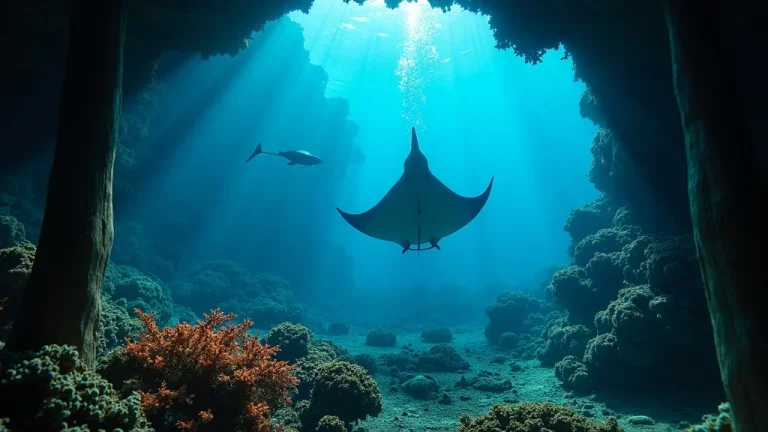
Karang Makassar drift, Open-Water friendly.
Explore
Sheltered-bay macro after dark.
Explore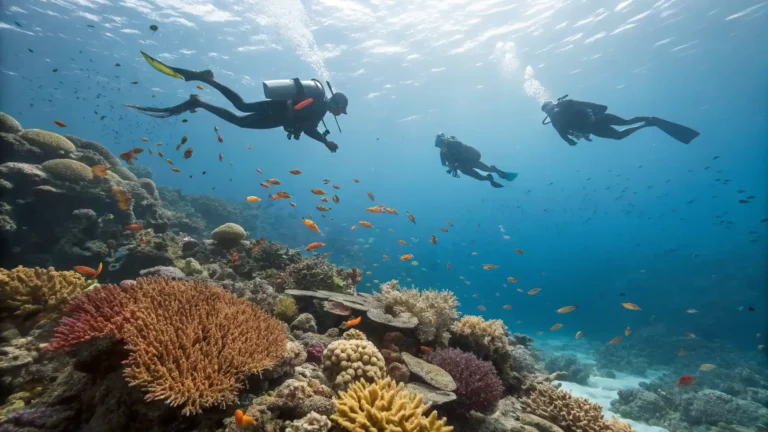
EANx trips, fills and certification.
Explore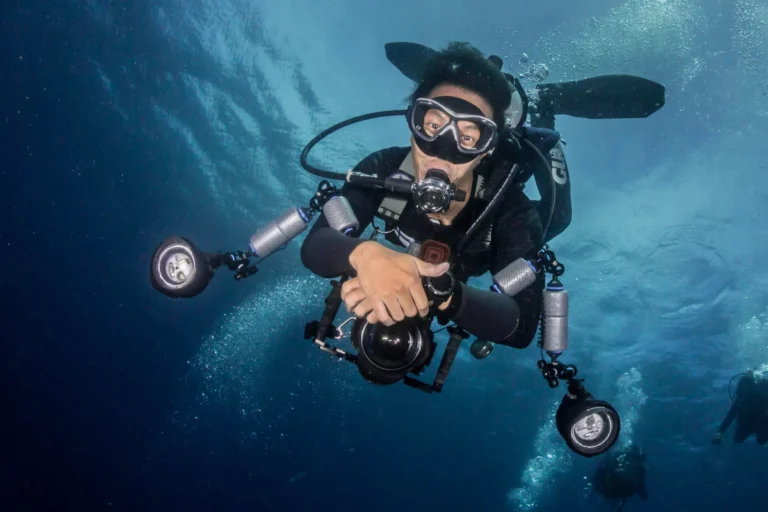
VVIP phinisi with full dive service.
Explore
Morning dives, Labuan Bajo nights.
Explore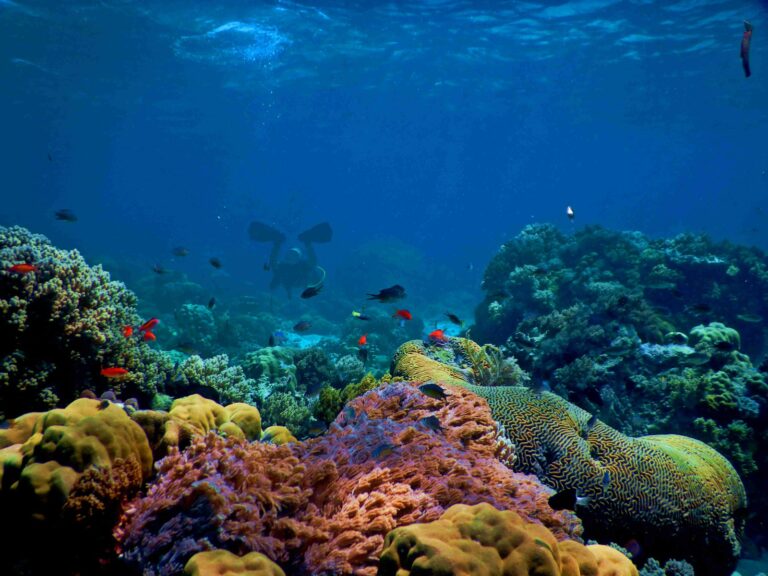
Flights, dives and full trip planning.
Explore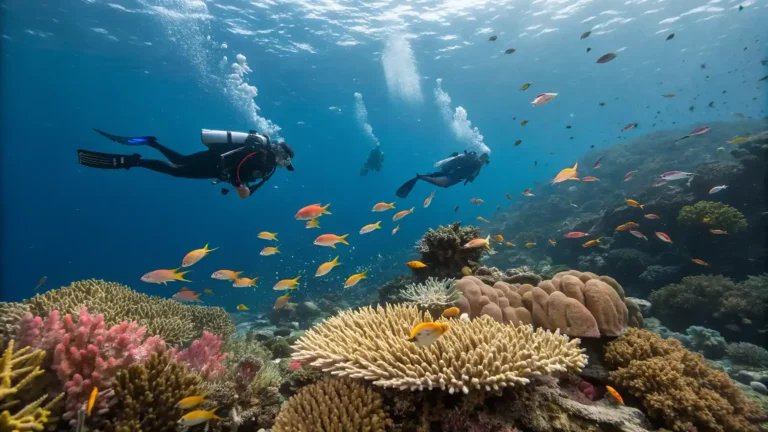
Full-boat trips for clubs and shops.
Explore
Private boat at a photographer’s pace.
Explore
Mild beginner sites, mixed snorkel days.
Explore
Private-feel pairing for couples.
Explore