Boat transfer from the harbor to the chosen site and back, timed to enter the water around dusk.
Night Diving Trips in Labuan Bajo & Komodo
A Labuan Bajo night diving trip is a guided, small-group dive scheduled after dusk at a sheltered site in Komodo National Park, built around what only comes out after dark — bioluminescent plankton, hunting octopus and cuttlefish, mandarin fish at dusk, and reef fish tucked into sleeping colors. It books as a stand-alone evening trip or an add-on to a day trip, with a mandatory safety briefing, checked dive-light gear, and pricing quoted per dive. As of 2026, most Labuan Bajo operators run night dives a few evenings a week depending on demand and conditions, so trips are confirmed a day or two ahead rather than on a fixed schedule.
What Does a Labuan Bajo Night Diving Trip Include?
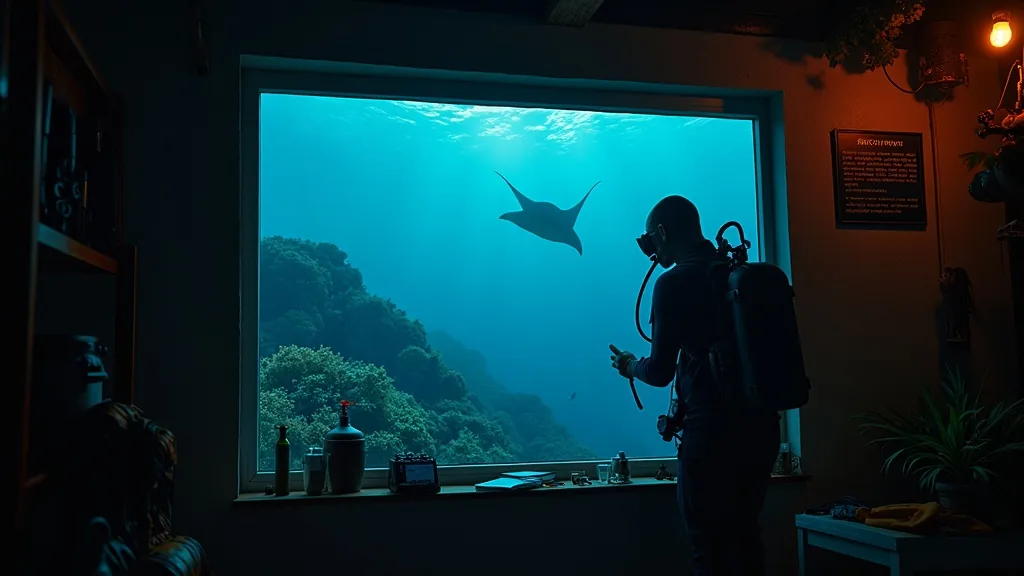
A typical trip is a single dive, occasionally two at sites close together, starting around sunset and running into full darkness, led by a guide who already knows the site by daylight and by torch.
Primary and backup dive light per diver, plus a tank marker/strobe so the guide can account for everyone in the dark.
Full safety briefing covering entry/exit points, buddy pairing, light signals, and the ascent plan for that specific site.
Small guide-to-diver ratio, tighter than a standard day dive.
Basic scuba equipment (BCD, regulator, wetsuit, mask, fins) unless you bring your own; camera or video-light rental can usually be added.
Night dives are sold both as a dedicated evening product and as an add-on to a day trip from Labuan Bajo that finishes with a dusk dive before heading back to town.
Which Dive Sites Are Used for Night Diving in Komodo?
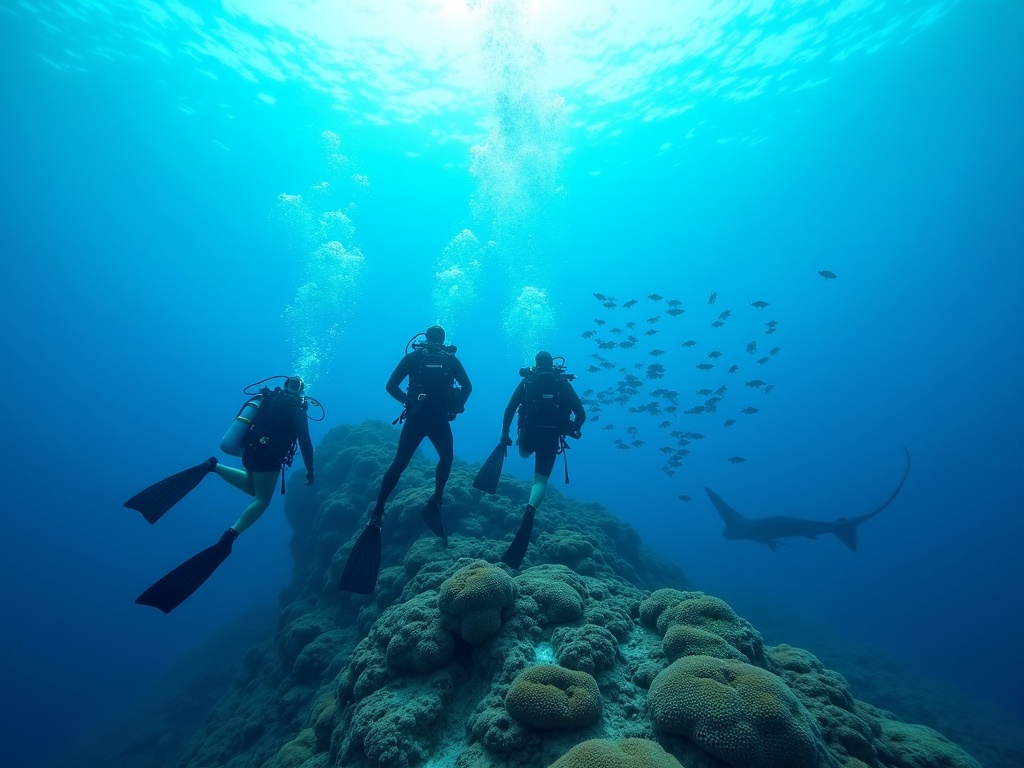
Not every Komodo site is used after dark. Current-driven pinnacles like Batu Bolong, Castle Rock and Manta Point are built for daylight drift diving and generally unsuitable once visibility and light drop — the same current that makes them spectacular by day makes them harder to navigate at night. Night dives instead run at sheltered, low-current sites close to Labuan Bajo, usually the sandy-slope or muck locations known for their critter life.
Wainilu is the clearest example, already known locally as a muck and night-dive specialist site — see our dedicated guide, Wainilu: Komodo's Muck and Night-Dive Specialist Site, for its layout, depth and residents. This page is the bookable product across that site and comparable sheltered locations; the Wainilu guide is where to go for site-specific detail before you book.
What Will You Actually See on a Night Dive Here?
Night diving trades the big-animal drama of a day dive for close-up behavior you do not see in daylight.
Bioluminescent plankton, glowing when you wave a hand or fin through the water, strongest on darker, moonless nights.
Mandarin fish displaying and pairing at dusk, best caught in the first 20-30 minutes after sunset.
Hunting octopus and cuttlefish, far more active and visible than during the day.
Muck-site critters — frogfish, nudibranchs, shrimp and crabs that hide by day and feed after dark.
Sleeping reef fish and turtles tucked into the reef, plus nocturnal crustaceans on the move.
None of this is guaranteed on a given night — it depends on the site, moon phase and season — and we never promise specific sightings when quoting a trip.
Who Can Join, and What Certification Do You Need?
Night diving is a step up from daytime reef diving because navigation, buddy contact and out-of-air procedures all happen with a torch instead of ambient light.
Minimum certification
Open Water Diver, at the operator's discretion on experience and recent dive activity.
Recommended
Advanced Open Water or a Night Diving specialty — first-timers can ask for a short orientation. See our PADI courses in Labuan Bajo page for where a Night Diving Adventure dive fits into a course plan.
Gear
your own dive light is welcome but not mandatory; primary and backup lights are provided as standard.
Group size
tighter diver-to-guide ratios than daytime trips, with a strict light-signal buddy system.
If you are unsure whether your experience suits a specific site, say so when you message us — we would rather match you to an easier sheltered site than push past your comfort level.
How Do You Book a Night Diving Trip in Labuan Bajo?
Booking is a short back-and-forth, not an instant checkout, because the site and group size are matched to conditions and who else is diving that night.
Enquire with your dates, certification level, diver count, and whether you want a stand-alone night dive or a day-trip add-on.
Confirm site and schedule — we match you to a suitable sheltered site and confirm the pickup time.
Deposit and paperwork — a deposit secures your slot; certification details and a waiver are collected beforehand.
Briefing and dive — safety briefing and gear check, then the dive itself around dusk.
For the general enquiry-to-confirmation flow across all our Komodo dive products, see how booking works.
Compare
How Much Does a Night Dive in Labuan Bajo Cost?
Prices below are indicative only, in general ranges rather than fixed rates. Final pricing depends on group size, site distance, whether it is stand-alone or an add-on, and whether you need rental gear. Park entry and conservation fees are separate from the dive price — see our breakdown of Komodo National Park diving fees and permits for how those are itemized.
Dusk/night dive add-on to a day trip
- What's typically included
- One extra dive at the end of a day itinerary, basic gear
- Indicative range (per person)
- Add-on rate, contact for quote
Stand-alone single night dive
- What's typically included
- Dedicated boat transfer, guide, gear, safety briefing
- Indicative range (per person)
- Mid-range per-dive rate
Private/small-group night dive
- What's typically included
- Dedicated guide, flexible timing, smaller ratio
- Indicative range (per person)
- Higher per-dive rate
Camera/video light rental
- What's typically included
- Underwater camera or focus light add-on
- Indicative range (per person)
- Add-on fee
Ask us for a current written quote for your dates — we do not publish fixed year-round rates because fuel, group size and site choice all move the final number.
Do I need a special certification for night diving?
At least Open Water Diver; Advanced Open Water or a Night Diving specialty is recommended, and we can run a short orientation first if you have never dived after dark.
Is night diving safe given Komodo's currents?
Night dives run at sheltered, low-current sites rather than the strong-current pinnacles used by day, with a site-specific safety briefing and a small guide-to-diver ratio every time.
What will I actually see on a night dive here?
Commonly reported sightings include bioluminescent plankton, mandarin fish at dusk, hunting octopus and cuttlefish, and muck critters such as frogfish and nudibranchs — never guaranteed on any given night.
Can I add a night dive to a day trip or liveaboard?
Yes — a dusk dive can often be added to a day-trip itinerary, and multi-day liveaboards can include one or more night dives if you request it when booking.
To add a night dive to an upcoming Labuan Bajo trip, or book it as its own evening out, message us with your dates and certification level and we will confirm a site and a written quote. Part of Juara Holding Group, operating from Bali across Indonesia since 2015, our team on the ground handles the scheduling directly — reach us on WhatsApp at +62 811-3823-875 or by email at bd@juaraholding.com.
More in Dive Trips
Every trip format, one level down
Komodo Fun Diving Trips
2–3 dives a day from Labuan Bajo.
Explore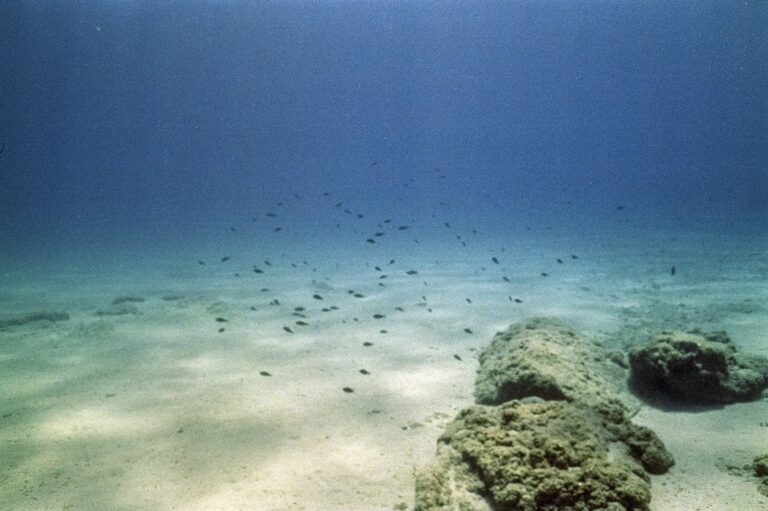
Advanced Diving Trips
Castle Rock, Shotgun, current-swept pinnacles.
Explore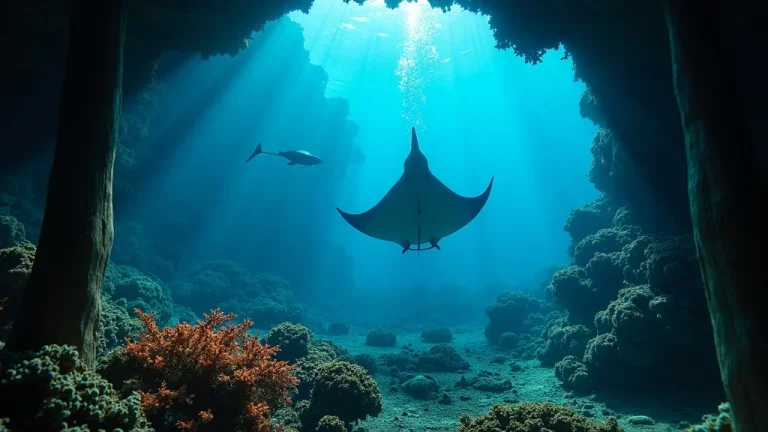
Manta Ray Diving Trip
Karang Makassar drift, Open-Water friendly.
Explore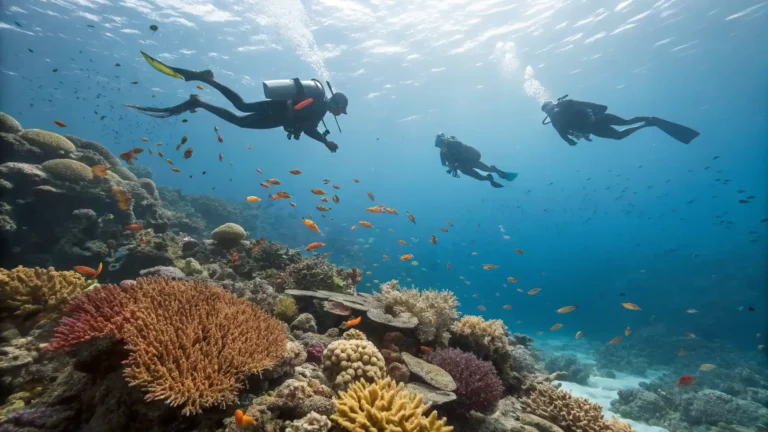
Nitrox Diving
EANx trips, fills and certification.
Explore
Komodo Dive Safari
North to south, every zone in one trip.
Explore
Luxury Dive Liveaboard
VVIP phinisi with full dive service.
Explore
Dive & Stay Packages
Morning dives, Labuan Bajo nights.
Explore
Bali to Komodo Package
Flights, dives and full trip planning.
Explore
Group Dive Charter
Full-boat trips for clubs and shops.
Explore
Underwater Photography Charter
Private boat at a photographer’s pace.
Explore
Family Diving Packages
Mild beginner sites, mixed snorkel days.
Explore
Honeymoon Diving Package
Private-feel pairing for couples.
Explore