Dive Gear in Labuan Bajo: Bring vs Rent
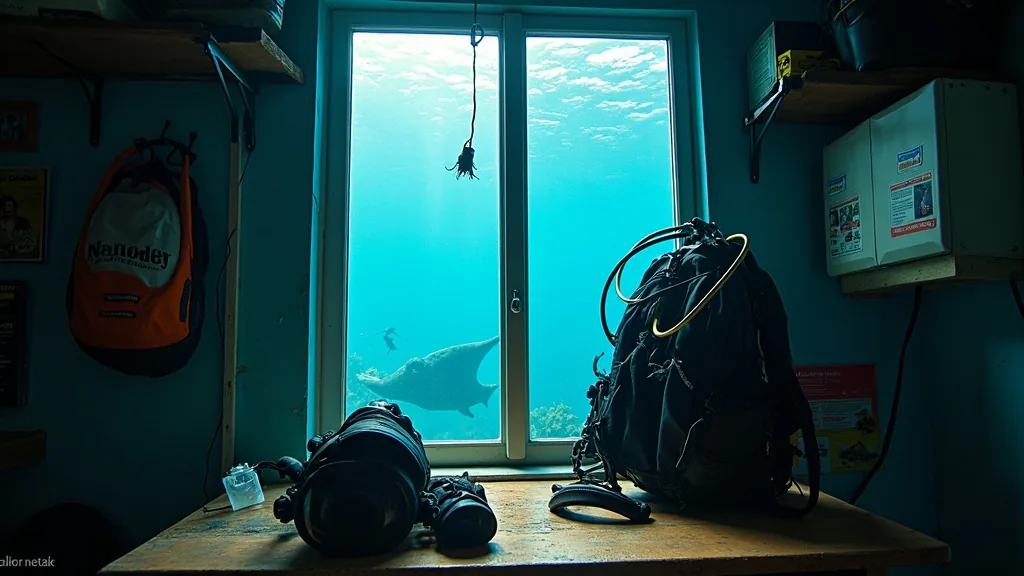
Deciding between Labuan Bajo scuba gear rental vs bring your own equipment comes down to three things: how many dives you have planned, how much luggage space you can spare, and whether you already own gear that fits you properly. For a single day trip or a short two-day dive stop, renting a regulator, BCD, and wetsuit locally is almost always cheaper and lighter on the wallet than flying in with a full dive bag. For a multi-day liveaboard, a dive course, or frequent diving over several years, bringing your own well-fitted mask, fins, and possibly a compact travel BCD tends to pay off in comfort, even while you still rent the bulkier tank and weight setup on site.
This guide breaks down the real cost-and-convenience trade-offs for every major piece of gear, so you can pack smart instead of guessing — and hand the rest to a local operator who already has everything serviced and ready.
Labuan Bajo Scuba Gear Rental vs Bring Your Own: Which Wins for Your Trip?
There is no single right answer — it depends on trip length and dive frequency. As a rough framework used by most travelers diving Komodo National Park as of 2026:
- 1-3 dives, day trips only: renting everything (regulator, BCD, wetsuit, tank, weights) is usually the cheaper and lower-hassle option. You avoid checked-baggage fees and arrive with an empty duffel for souvenirs.
- 4-10 dives over a liveaboard or multi-day package: a hybrid approach works best — bring your own mask, fins, and dive computer, rent the regulator, BCD, wetsuit, and tanks from the boat or dive center.
- Dive course (Open Water, Advanced, or specialty): most schools include rental gear in the course fee, so bringing your own is optional and mainly a comfort choice, not a cost-saving one.
- Frequent or long-term divers: owning a full personal set (including your own regulator) makes sense once you are diving more than roughly 15-20 days a year, since airline baggage costs and rental fees add up over multiple trips.
Weighing scuba gear rental in Labuan Bajo against bringing your own kit is really a question of how many times you will use the gear before it “pays for itself” in avoided rental fees — plus how much you value having equipment sized and broken in exactly to your body.
What Does Dive Gear Rental Cost in Labuan Bajo?
Rental pricing varies by operator, season, and whether it’s bundled into a day-trip or liveaboard package. The table below gives indicative, non-binding ranges to help with planning — always confirm current rates directly with your chosen operator before booking, since prices shift with fuel costs, import duty on equipment, and seasonal demand.
| Gear item | Typical rental range (per day, indicative) | Bring your own if… |
|---|---|---|
| Regulator + octopus | Often bundled into day-trip or course price | You dive often and want a regulator you trust and can service yourself |
| BCD | Usually bundled into the dive package | You have a specific fit or a travel-weight BCD you prefer |
| Wetsuit (3mm-5mm) | Small daily fee if rented separately from a package | You need a specific size that local rental stock doesn’t reliably carry, or a hooded vest for cooler thermoclines |
| Mask & fins | Usually low-cost add-ons | Almost always — a mask that fits your face without leaking is worth packing |
| Underwater camera / housing | Limited availability, varies widely by operator | You are a serious underwater photographer — rental housings for specific camera models are not guaranteed to be in stock |
For the current line-up and package pricing, see our dedicated Labuan Bajo scuba gear rental page, which lists what’s typically available for day trips, courses, and liveaboard add-ons.
Regulator, BCD, Wetsuit, or Camera: What Should You Actually Pack?
Regulator and BCD
Unless you dive very regularly, renting a regulator and BCD locally is the practical choice. Reputable dive operators in Labuan Bajo service their rental sets on a routine schedule, and Komodo’s currents mean you want gear that is functioning well rather than gear that has been sitting unused in a closet for a year. If you do bring your own regulator, pack it in carry-on where airline rules allow, since checked luggage can be delayed or mishandled.
Wetsuit
This is the item most worth thinking through. Komodo National Park sits across two dive zones with different water character: the northern sites around Castle Rock and Crystal Rock see stronger currents and noticeably cooler thermoclines, while the central sites — Batu Bolong and Manta Point — tend to be a little warmer but still current-affected. A 3mm full suit is the common baseline; divers who run cold, or who plan multiple dives a day at the northern sites, often add a hooded vest or step up to 5mm. If you already own a wetsuit that fits and keeps you comfortable, bring it — rental wetsuits are shared stock and fit is rarely perfect.
Mask and fins
These are the two items worth packing over renting almost every time. A mask that doesn’t seal against your face leaks constantly and ruins a dive; fins that don’t match your foot size cause cramping on longer surface swims or against current at sites like Castle Rock. Both pack small and light, so there’s little downside to bringing your own.
Camera and underwater housing
If underwater photography is a priority — and Komodo’s manta rays, pygmy seahorses, and coral walls are worth documenting — bring your own camera and housing if you already own one. Rental housings matched to specific camera models are not consistently available across Labuan Bajo operators, and a poorly sealed rental housing risks flooding a dive. If you don’t own a rig, a simple action camera in a basic housing is a reasonable middle ground.
How Does Diving Season Affect the Gear Decision?
Timing changes what you need more than most travelers expect. Manta ray season in Komodo National Park typically runs December through February, drawing extra divers to Manta Point specifically, while the best overall visibility across the park generally falls between April and November per typical seasonal patterns. Wetsuit thickness, current strength, and even how full the rental stock is at popular operators can shift with these windows — booking gear (rented or your own fitting check) a few days ahead during peak manta season is a sensible precaution rather than a rigid rule.
Strong currents at the northern sites mean Castle Rock and Crystal Rock are generally reserved for divers with Advanced Open Water certification or equivalent experience; day trips there run by speedboat from Labuan Bajo and always include the mandatory Komodo National Park entrance fee and a park ranger, regardless of which gear setup you choose.
Day Trip, Course, or Liveaboard: Does the Answer Change?
For a single day trip by speedboat, renting the full setup is simplest — you show up, get fitted, dive, and hand everything back. For an Open Water or Advanced course, rental gear is typically included in the course price already. For a liveaboard covering multiple days and dive sites across both the northern and central zones, packing your own mask, fins, and dive computer while renting the rest is the balance most repeat divers settle on. If you’re mapping out what to bring for a multi-day boat trip specifically, our liveaboard packing and planning guide goes through the full checklist beyond just dive gear — clothing, medication, cash, and cabin essentials.
Making the Final Call
If you’re still unsure whether to rent or bring your own dive gear for Labuan Bajo, a simple gut check helps: pack the two items that affect comfort and safety the most (mask, fins), rent the two items that are bulky and best kept serviced by a local shop (regulator, tank/weights), and decide on the wetsuit and camera based on how well your own gear fits and how serious you are about photography. This approach keeps luggage manageable while still giving you gear you trust for currents around Batu Bolong, Manta Point, Castle Rock, and Crystal Rock.
Komodo Luxury, part of Juara Holding Group — operating from Bali across Indonesia since 2015 — puts together day trips, dive courses, and liveaboard packages across Komodo National Park, with rental gear arranged ahead of your arrival so you’re not sorting equipment logistics on day one. Prices for packages and rental add-ons are indicative and confirmed at time of booking, since availability and route options shift with season and boat schedule.
Ready to plan your dive trip and lock in the right gear mix? Message us on WhatsApp at +62 811-3823-875 or email sales@komodoluxury.com and we’ll help you match a day trip, course, or liveaboard package to what you’re already packing versus what you’d rather rent on arrival.