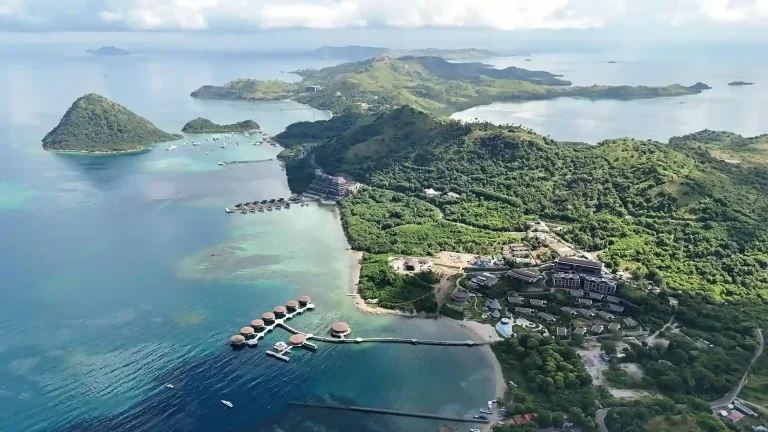
Komodo 2027 Visitor Quota Changes for Divers
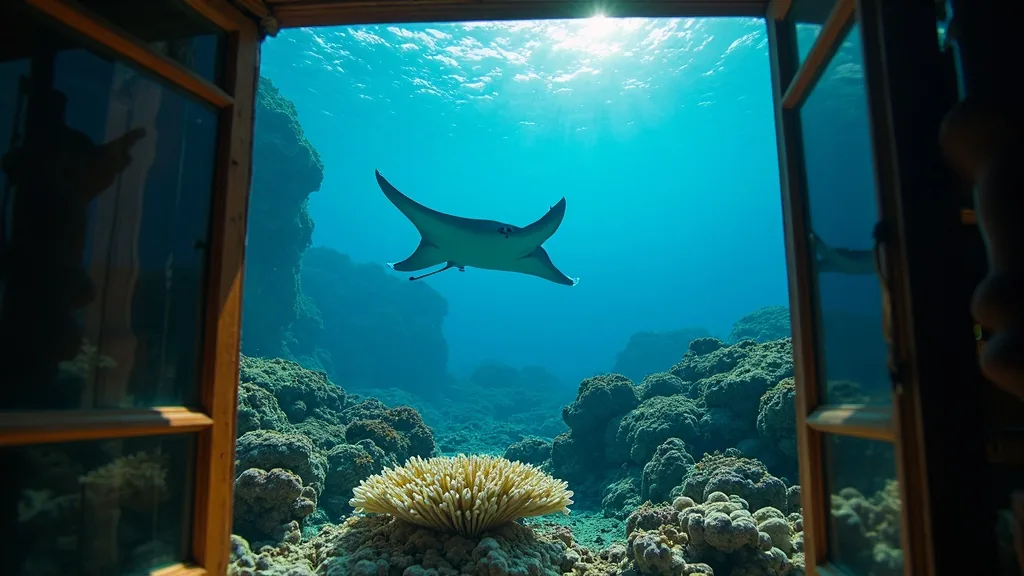
Komodo National Park 2027 visitor quota changes for divers are, as of 2026, still at the proposal stage rather than confirmed regulation — but the direction is clear enough that operators are already planning around it. Indonesian park authorities have floated daily visitor and diver caps at the busiest sites, including Batu Bolong, Manta Point and the northern pinnacles, as part of a broader push to manage reef pressure and manta ray encounters. For anyone hoping to dive Komodo in 2027, that means trip availability at the signature sites may tighten well before the peak-season windows fill up on their own.
This article covers what has actually been proposed, which dive sites would likely be affected first, and why locking in a booking now is the more reliable way to protect your dates.
What Are the Proposed 2027 Visitor Quota Changes in Komodo National Park?
Discussions around capping visitor numbers inside Komodo National Park are not new. Conservation authorities and researchers have raised the idea of daily entry limits at popular sites for several years, largely in response to crowding at anchor points and concern over repeated manta ray encounters at Manta Point (Karang Makassar). What is different heading into 2027 is that the conversation has moved from general concern to more concrete proposals: daily diver caps per site, timed entry slots for boats, and possibly a cap on the number of dive boats permitted to moor at a single pinnacle within a given window.
None of this is finalized law as of 2026, and the exact numbers — how many divers per site, per day, or per boat — have not been fixed publicly in a way we can responsibly quote. What operators in Labuan Bajo are seeing instead is a pattern: every few years, the park authority tightens fee structures or access rules, and each round tends to reduce flexibility for last-minute bookings rather than expand it. Treat the Komodo National Park 2027 visitor quota changes for divers as a real planning variable, not a confirmed fee schedule.
Which Dive Sites Would a Diver Quota Affect First?
If daily caps do arrive, they will not apply evenly across the park. Komodo’s dive sites split roughly into two zones, and quota pressure is expected to concentrate on the small handful of sites that already see the most boat traffic:
- Central Komodo — Batu Bolong and Manta Point (Karang Makassar) are the two most visited sites in the park. Batu Bolong’s compact pinnacle and strong currents mean only a limited number of divers can safely be in the water at once, a natural candidate for a formal cap. Manta Point already sees dense boat traffic during peak manta season.
- North Komodo — Castle Rock and Crystal Rock draw large numbers of experienced divers for strong currents and pelagic action. These sites are physically demanding and already self-limit to some extent, but a quota would likely formalize timing so only a set number of boats rotate through each slack-current window.
Any diver quota changes proposed for Komodo National Park through 2027 would most plausibly start at these headline sites, since they already show signs of overcrowding at peak times.
How Would a Quota System Change Trip Availability?
A daily cap does not just limit numbers on the day — it changes how far in advance boats need to reserve their slot. If a site is limited to a fixed number of divers or boats per day, operators will need to secure that slot before departure, not negotiate it on arrival in Labuan Bajo. In practice, that shifts the booking calendar earlier: peak-season dates at Batu Bolong, Manta Point and the north sites would sell out first, liveaboards would need to lock in site access before finalizing a route, and day-trip speedboats — which currently swap sites based on conditions — would have less room to improvise once a site hits its daily cap.
This is the practical reason the Komodo National Park 2027 visitor quota changes for divers matter even before they are confirmed: trip planning that used to happen a few weeks out may need to happen months out instead, particularly for the July–September high season and the December–February manta window.
Why Booking Early Matters Under a Proposed Quota System
Even without a formal cap in place yet, demand for Komodo’s headline sites already outpaces supply during the best weeks of the year. A quota system would not create scarcity — it would make existing scarcity official and enforceable. That has a few concrete implications for anyone planning a Komodo dive trip around 2027:
- Fixed dates become more valuable. If you already know your travel window, reserving it now avoids competing for a capped slot later.
- Liveaboards benefit more than day trips. Multi-day itineraries covering Batu Bolong, Manta Point and the north sites in one route are more efficient under a quota system than booking each site separately.
- Flexibility has a cost. Waiting to see how the rules settle might save you an early commitment, but it also means booking into whatever capacity is left once quotas take effect — likely shoulder-season dates rather than peak-season ones.
None of this requires predicting the exact fee or cap number, which nobody can honestly quote yet. It simply means treating 2027 site access as a limited resource rather than something always available on short notice. Understanding how a Komodo dive trip actually comes together — from itinerary building to park permit paperwork — makes it easier to see where a quota system would slot in and why early confirmation protects your dates.
What Doesn’t Change: Park Fees, Rangers and the Diving Calendar
Whatever quota system does or doesn’t materialize by 2027, some parts of diving in Komodo National Park are already fixed and are unlikely to change regardless of visitor caps:
- Park entry fee and ranger requirements. A Komodo National Park entry fee and an accompanying ranger are already mandatory for any boat operating inside the park, quota or no quota. This is existing practice, not a 2027 proposal.
- Manta season. Manta ray sightings are most reliable from December through February, when plankton-rich currents draw them to feeding stations like Manta Point and Manta Alley. This seasonal pattern doesn’t shift with park policy.
- Visibility window. The best underwater visibility across most of the park typically runs from April through November, outside the wetter months. This is the window most divers target for the north sites in particular.
- Currents and diver level. Castle Rock, Crystal Rock and Batu Bolong all carry strong, sometimes unpredictable currents. These sites are recommended for advanced or experienced divers regardless of any quota system — a cap changes who gets a slot, not whether the site is appropriate for a given skill level.
| Site | Zone | Best For | Peak Season |
|---|---|---|---|
| Batu Bolong | Central | Advanced divers, strong current | Apr–Nov (visibility) |
| Manta Point | Central | All levels, manta encounters | Dec–Feb (mantas) |
| Castle Rock | North | Advanced divers, pelagics | Apr–Nov (visibility) |
How Should Divers Plan a 2027 Komodo Trip Right Now?
Given the uncertainty around the exact shape of the Komodo National Park 2027 visitor quota changes for divers, the most useful approach is to plan as if some form of capping is likely, without waiting for the final rule to book:
- Decide your travel window first — manta season (December–February) versus best-visibility season (April–November) — since that shapes which sites matter most to you.
- Choose between a liveaboard and day trips based on how many headline sites you want in one route; liveaboards are generally more resilient to a quota system since the itinerary is fixed in advance.
- Confirm dates early rather than holding out for a confirmed fee schedule — by the time quotas are formally announced, peak-season slots at Batu Bolong, Manta Point and Castle Rock are most likely already booked.
Every dive package price quoted for 2027 should be treated as indicative rather than final, since park fees and any quota-related surcharges have not been fixed publicly. Our diving packages built around these exact sites are structured so your core dates and site access are reserved first, with any confirmed park fee adjustments applied transparently once they’re published — not built into speculative pricing.
Book Your Komodo Dive Trip Before 2027 Quotas Take Effect
Labuan Bajo Diving is part of Juara Holding Group, operating from Bali across Indonesia since 2015, and we work with the Komodo Luxury booking desk to plan dive trips around exactly this kind of regulatory uncertainty — securing your dates and site access now, rather than waiting on a final quota announcement. If you’re planning a 2027 Komodo diving trip and want to lock in Batu Bolong, Manta Point or Castle Rock before availability tightens, reach out and we’ll help you build an itinerary around your season and experience level.
Contact the Komodo Luxury team on WhatsApp at +62 811-3823-875 or email sales@komodoluxury.com to check current trip availability and get an indicative quote for your dates.