Labuan Bajo Diving on a Budget: Real Trip Costs
Diving in Labuan Bajo and Komodo National Park does not have to drain a travel budget. Understanding the real labuan bajo diving budget options and real trip costs starts with knowing the three main formats — shared day trips, liveaboard cruises, and private charters — each with a different price tag and a different experience. As of 2026, a shared day trip with two tank dives typically runs far cheaper per dive than a multi-day liveaboard, but the trade-off is time in the water, boat comfort, and how much of Komodo’s dive map you actually cover.
This guide breaks down what divers actually pay in Labuan Bajo — not marketing numbers, but the line items: boat fees, park entrance and ranger charges, gear rental, and the extras that quietly inflate a “cheap” trip. We also cover when to go for the best value, and where a small upgrade in budget buys a meaningfully better dive.
What Are the Real Labuan Bajo Diving Budget Options and Real Trip Costs?
Broadly, divers weighing labuan bajo diving budget options and real trip costs choose between three formats: a shared open-trip speedboat day trip, a multi-day liveaboard, or a private charter booked exclusively for one group. Real trip costs scale with exclusivity and distance — a shared boat to Sebayur or Siaba near town costs far less than a liveaboard reaching Batu Bolong, Manta Point, or the northern sites like Castle Rock and Crystal Rock. Every option also carries mandatory Komodo National Park fees and a ranger charge that are separate from the boat price, so the advertised rate is rarely the final rate.
Shared Day Trips: The Budget Entry Point
A shared speedboat day trip departing from Labuan Bajo is the most economical way to dive Komodo waters. These trips typically bundle two to three dives, lunch on board, and basic gear, with the boat splitting fuel and crew costs across a small group of divers. Sites reachable on a day trip usually include central Komodo spots such as Batu Bolong, Sebayur Kecil, and — depending on conditions and the operator’s route — Manta Point. Day trips to the northern sites (Castle Rock, Crystal Rock, Tatawa) are less common because of the longer transit time and the stronger currents typical of that zone, which usually call for advanced certification.
The appeal of the shared day trip is simple: lower per-dive cost, no overnight commitment, and a good way to sample Komodo before committing to a longer liveaboard. The trade-off is a fixed departure time, a shared itinerary you don’t control, and less flexibility if the weather or current shifts.
Liveaboard Trips: Mid-Range to Premium
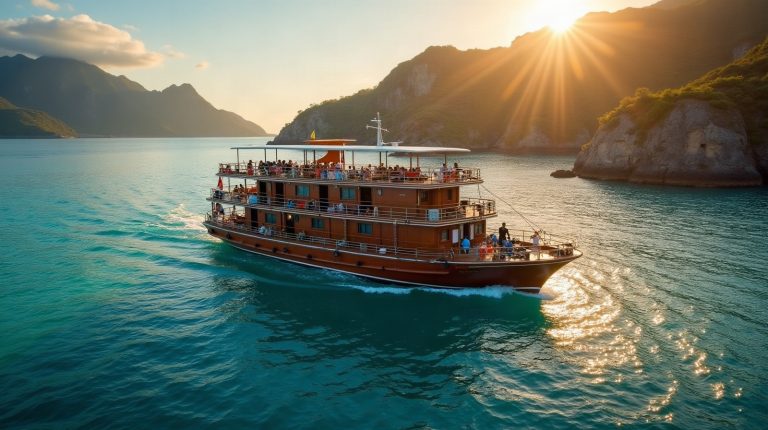
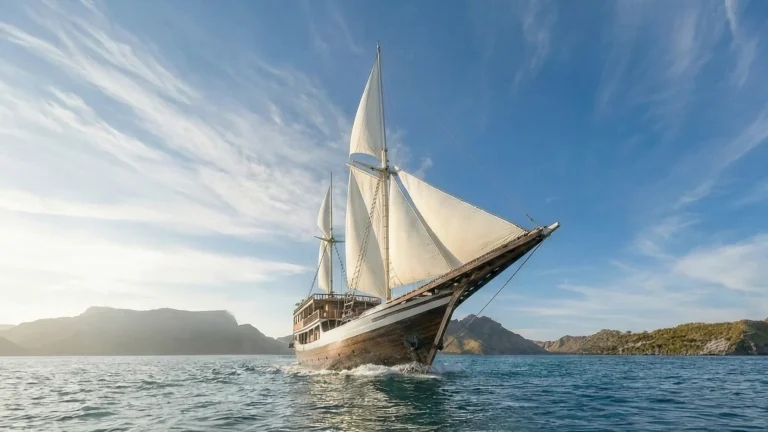
A liveaboard is where Komodo National Park really opens up. Multi-day cruises (commonly 3 to 4 days, sometimes longer) let divers reach the full north-to-south spread of sites — the strong-current thrill dives at Castle Rock and Crystal Rock in the north, the manta cleaning stations around Manta Point and Mawan in the central park, and quieter muck and macro sites further south. Pricing depends heavily on boat class: shared cabins on a simpler wooden phinisi cost noticeably less than a private cabin on a higher-end vessel, and per-day rates usually include all dives, meals, and park logistics, but not always gear rental or the park fee itself.
For travelers weighing a liveaboard against a handful of day trips, the real trip cost comparison usually comes down to this: a liveaboard costs more upfront but delivers more dive sites, more dive time, and access to areas a day boat simply cannot reach in daylight hours. If you’re comparing structured multi-day options, our exclusive diving packages in Labuan Bajo lay out what’s typically included at each tier so the comparison is apples-to-apples.
Private Charter: Full Control, Full Price
Booking a boat exclusively — whether a day boat or a liveaboard — removes the shared-itinerary constraint entirely. Groups, families, and dive clubs often choose a private charter to set their own dive sites, pace, and surface interval length, or to combine diving with snorkeling for non-divers in the group. Naturally, this is the highest-cost option per person unless the group is large enough to split the charter fee meaningfully. For couples or solo divers, a private charter rarely beats the value of a shared trip; for a group of 6 or more, the per-person cost can land close to a shared liveaboard cabin.
How Much Do Park Fees, Rangers, and Gear Rental Really Add?
Regardless of which boat format you choose, Komodo National Park entrance fees and a ranger accompaniment fee are mandatory and charged separately from the boat or dive package price. These fees fund park management and conservation and are set by the park authority, not by dive operators — so they can change, and any operator quoting a fixed park fee months in advance is estimating. Budget for this as a fixed daily cost on top of whatever boat rate you’re comparing, and always ask whether a quoted price already includes it.
Gear rental is the other line item that changes the real cost of a “cheap” trip. Full rental (BCD, regulator, wetsuit, mask, fins) adds a daily fee if you don’t bring your own equipment, and rental quality varies by operator — this matters more in Komodo’s currents than in calmer diving destinations, since ill-fitting gear is both uncomfortable and a real safety issue in a drift. If you’re traveling light or your own gear is aging out, it’s worth checking rental rates and equipment condition in advance; our Labuan Bajo scuba gear rental page breaks down what’s typically available and what a full rental set costs per day.
Dive Courses: A Different Kind of Budget Line
For non-certified travelers, an Open Water course is usually priced separately from trip packages and takes several days to complete, combining classroom or e-learning sessions with confined and open-water dives. Already-certified divers looking to dive Komodo’s stronger-current sites should budget for an Advanced Open Water course if they haven’t done one — Castle Rock, Crystal Rock, and similar northern sites are current-driven dives where the extra training genuinely changes the experience and the safety margin, not just the certification card.
When Is the Best (and Most Cost-Effective) Season to Dive?
Timing your trip affects both the diving quality and, indirectly, the value you get for your budget. Manta ray season around Manta Point and other cleaning stations typically runs December through February, when sightings are most consistent — useful to know if mantas are the priority driving your trip. For overall visibility across the park, the window from April through November is generally considered the strongest, with calmer seas and clearer water making multi-site liveaboards and day trips alike more reliable. Shoulder months can offer a quieter park and sometimes better trip availability, which is worth asking about when comparing quotes, since operator pricing can flex with demand.
Real Cost Comparison: Day Trip vs. Liveaboard vs. Private Charter
| Trip Type | Typical Duration | What’s Usually Included | Best For |
|---|---|---|---|
| Shared Day Trip | 1 day, 2-3 dives | Boat, lunch, basic gear (park fee often separate) | First-timers, short stays, budget testing the waters |
| Liveaboard | 3-4+ days | Dives, meals, cabin, park logistics (gear/park fee vary) | Covering north and central sites, manta season, serious dive time |
| Private Charter | Flexible | Fully custom, priced per boat not per diver | Groups of 6+, families, fixed itineraries |
Note: all figures above are indicative and vary by operator, season, boat class, and group size. Park fees and regulations are set independently and are subject to change — always confirm current rates before booking rather than relying on a quote from a previous season.
Money-Saving Tips for Budget-Conscious Divers
- Compare shared vs. private rates for your group size. A private day boat can be cheaper per person than two separate shared bookings once you have 4+ divers.
- Ask what’s excluded, not just what’s included. Park fees, ranger fees, and gear rental are the three costs most often quoted separately — get the all-in number before comparing operators.
- Bring your own mask and fins if you dive often. It’s the cheapest gear to travel with and removes one daily rental line item.
- Book liveaboards in shoulder season (just before or after peak visibility months) for potentially better rates and a quieter boat.
- Check our pricing page for current package structures before requesting a custom quote — it’s the fastest way to see how day trips, liveaboards, and charters stack up against each other.
Part of Juara Holding Group — operating from Bali across Indonesia since 2015 — our team helps you weigh labuan bajo diving budget options and real trip costs honestly, whether that means a single shared day trip to test the water or a full liveaboard covering Castle Rock to Manta Point.
Ready to see real numbers for your travel dates? Message us on WhatsApp at +62 811-3823-875 or email sales@komodoluxury.com for a straightforward cost breakdown — no inflated packages, no hidden park fees.