Planning a Komodo-Sumbawa Dive Itinerary (2026 Guide)
A solid Komodo-Sumbawa itinerary needs a minimum of 6 days to cover the north Komodo currents, the central manta cleaning stations, and a Sumbawa extension without rushing between anchorages. Most divers planning this route end up choosing between a 4-6 day Komodo-only loop or an 8-9 day trip that pushes east into Saleh Bay and the Moyo-Satonda corridor. The right length depends less on how many dives you want logged and more on how much travel time you are willing to spend reaching Sumbawa’s outer sites.
This guide is built for the planning stage – before you lock in dates or a boat – so you can work out day count, site sequencing, and rough budget first, then move into the day-by-day detail once you know what shape of trip you actually need.
How Many Days Does a Komodo-Sumbawa Itinerary Need?
As a starting point, treat 3-4 days as the minimum to see Komodo’s core sites properly (Batu Bolong, Manta Point, and one north site such as Castle Rock or Crystal Rock), then add 3-5 more days if Sumbawa is on the list. Sumbawa is not a side trip you bolt onto a short Komodo run – the crossing itself takes the better part of a day each way by liveaboard, so a route that includes Saleh Bay and Moyo-Satonda comfortably needs 7-9 days total to avoid feeling like a transit trip with diving squeezed in.
Shorter windows still work if you scope the trip honestly. A 4-5 day charter can cover Komodo’s central and north sites well but should not try to also reach Sumbawa – the sailing distance simply eats too much of the schedule. If Sumbawa’s whale sharks or muck sites are the priority, build the itinerary around that from day one rather than hoping to fit it in during the last 24 hours of a Komodo-only route.
A rough day-count framework
- 4-5 days: Komodo core only – Batu Bolong, Manta Point, one or two north sites. No Sumbawa.
- 6-7 days: Full north-to-south Komodo plus a short Sumbawa taste (Saleh Bay whale sharks as a detour).
- 8-9 days: Komodo north to south, then east into Sumbawa for whale sharks, Moyo, and Satonda – the itinerary shape covered in detail on our 8-9 day Komodo-Sumbawa liveaboard page.
What Order Should the Dive Sites Go In?
Route logic matters more than most first-time planners expect, because Komodo National Park runs roughly north to south with a meaningful current and temperature gradient along the way, and Sumbawa sits further east again. Sequencing wrong means backtracking, which burns fuel time that could be spent diving.
The itinerary logic most liveaboards and day-trip operators use, and the one worth building your own plan around, looks like this:
- North Komodo first (or last): Castle Rock and Crystal Rock have the strongest currents in the park and the coolest water – best tackled with a fresh team and a boat schedule that allows waiting for slack tide.
- Central Komodo in the middle: Batu Bolong and Manta Point (Karang Makassar) sit centrally and work well as anchor days regardless of which direction you are traveling.
- South Komodo for muck and macro: Cannibal Rock and Horseshoe Bay reward a slower pace after the adrenaline of the north sites.
- Sumbawa last: Saleh Bay, then Moyo and Satonda, as the eastward leg of an extended itinerary.
This order also matches diver fatigue sensibly – the physically demanding drift sites go earlier when the team is fresh, and the calmer Sumbawa sites close out the trip. A well-planned komodo sumbawa itinerary generally front-loads the current-heavy dives and saves the whale shark encounters and muck diving for the back half, once everyone has settled into the boat routine.
When Is the Best Season for a Sumbawa Extension?
Timing shifts the itinerary meaningfully. As of 2026, the manta season at Manta Point and Manta Alley runs from December through February, when plankton blooms pull in the largest aggregations – if mantas are the priority, build the trip around those months. Visibility across the wider park, by contrast, tends to be best from April through November, when the water is clearer and calmer for the north current sites and for photography.
There is no single “best” month that satisfies both – it is a trade-off. A December-February komodo sumbawa itinerary favors manta numbers but accepts lower visibility and choppier surface conditions in places; an April-November trip favors clear water and easier north-site diving but sees fewer manta encounters. Whale shark sightings in Saleh Bay are seasonal and not guaranteed on any given date, so factor that into expectations rather than the itinerary’s exact dates.
What Does a Komodo-Sumbawa Dive Trip Cost?
Budget for a Komodo-Sumbawa trip is driven mainly by boat length and cabin type, then by trip duration. As indicative guidance only – actual pricing depends on season, boat, cabin category, and group size, and should always be confirmed directly before booking – shorter Komodo-only day trips or 3-4 day charters sit at the lower end of the range, while an 8-9 day liveaboard reaching Sumbawa sits at the higher end simply because it covers more days, more fuel, and more remote logistics.
On top of the charter rate, every diver in Komodo National Park pays a mandatory park entrance fee and a ranger fee, collected per visit and set by the park authority rather than by any operator – this is a fixed cost of diving in the park, not an optional add-on. Sumbawa sites outside the park boundary do not carry the same Komodo NP fee structure, which is another reason to plan the itinerary segment by segment rather than assume one flat daily cost across the whole trip.
Rather than quoting a fixed number here that would be stale within a season, the practical approach is to share your target dates and day count with an operator and ask for a written breakdown of charter cost, park fees, and what is or is not included (gear rental, nitrox, transfers). That breakdown is the only reliable way to compare two itineraries fairly.
Liveaboard or Day Trips – Which Fits a Sumbawa Route?
Day trips by speedboat from Labuan Bajo work well if Sumbawa is not part of the plan. They cover central and, on longer operating days, some north sites, returning to port each evening – convenient, but they cannot reach Sumbawa, which sits too far east for a same-day round trip.
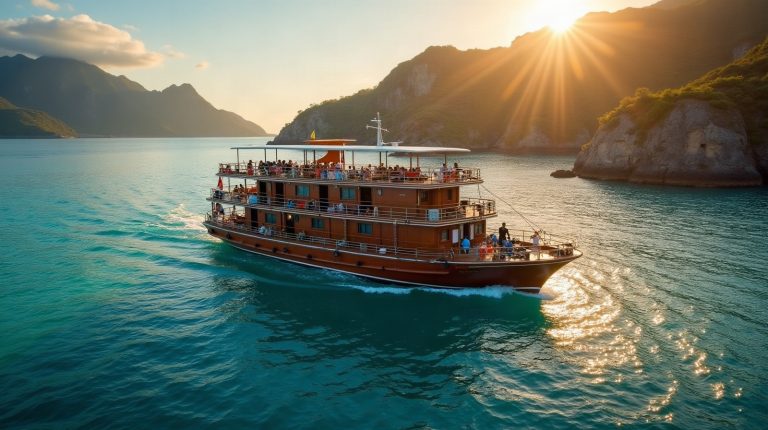
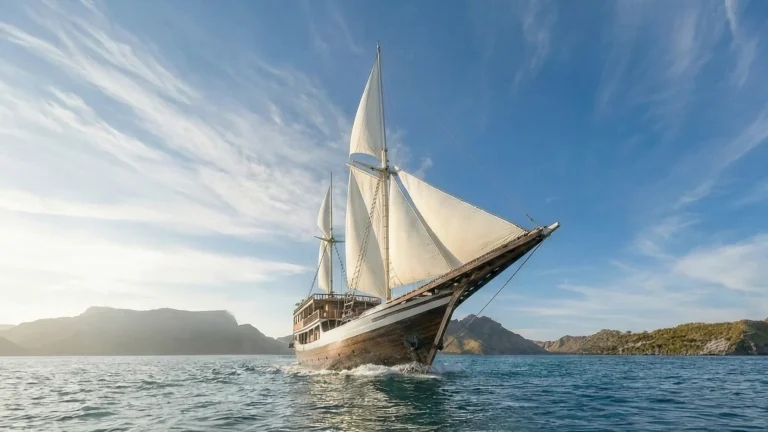
A liveaboard is the only realistic way to build this kind of extended route, because it sleeps and moves overnight, turning travel time into rest time instead of lost diving hours. If Sumbawa (Saleh Bay, or the Moyo and Satonda area) is anywhere on your list, plan around a liveaboard from the outset rather than trying to extend a day-trip-based plan later – the logistics do not stack the same way.
Do You Need Advanced Certification for This Route?
North Komodo’s currents are a genuine factor in planning, not a marketing line. Castle Rock and Crystal Rock regularly run strong, sometimes unpredictable current, and operators generally expect Advanced Open Water certification (or equivalent logged experience) before booking divers onto those sites. Central and south Komodo sites, and most of the Sumbawa leg, are more forgiving and suit a wider range of experience levels, including newer certified divers on a guided itinerary.
If your certification level is a limiting factor, say so when planning the itinerary – a good operator will adjust the site sequence rather than push a diver into conditions beyond their current comfort, and some itineraries can be weighted more toward central Komodo and Sumbawa with lighter exposure to the north drift sites.
Putting the Itinerary Together
In practice, planning a komodo sumbawa itinerary comes down to three decisions made in order: how many days you actually have, whether Sumbawa is a must-see or a nice-to-have, and which season matters more to you – manta density or visibility. Once those three are settled, the site sequence and rough budget mostly fall into place on their own, and the day-by-day detail becomes a matter of picking a boat and a departure date rather than redesigning the route from scratch.
For travelers who have already worked through those decisions and landed on the longer format, the full day-by-day structure – anchorage by anchorage, from north Komodo through to Moyo and Satonda – is laid out on our 8-9 day Komodo-Sumbawa liveaboard itinerary page.
Komodo Luxury, part of Juara Holding Group operating from Bali across Indonesia since 2015, works with divers on custom Komodo-Sumbawa route planning – matching day count, season, and certification level to a specific boat and itinerary rather than a one-size-fits-all package. If you are still deciding between a short Komodo loop and the full Sumbawa extension, send your target dates and diver count to WhatsApp +62 811-3823-875 or email sales@komodoluxury.com, and we will help you scope the right length before you commit to a boat.