Solo Traveler’s Guide to Diving Komodo in 2027: Joining Trips Without a Buddy

Yes — you can dive Komodo as a solo traveler, and in 2027 it remains one of the easiest world-class dive destinations in Indonesia to do entirely on your own. Shared day boats leave Labuan Bajo every morning, shared-cabin liveaboards sell berths by the bed rather than by the cabin, and guides pair unaccompanied divers as routine. This guide covers how a solo traveler diving Komodo joins trips without a buddy, how pairing works, what liveaboard life feels like alone, and when to upgrade to a small private group instead.
Why Komodo Is So Solo-Friendly
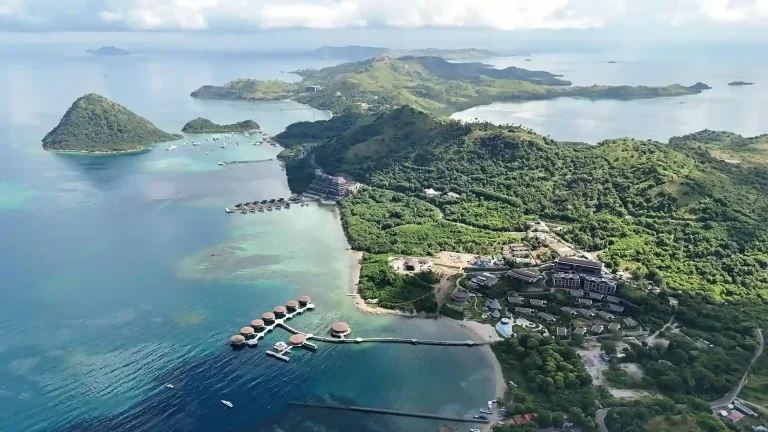
Komodo National Park works for solo divers because the whole trip infrastructure is built around shared departures. Labuan Bajo is a walkable harbor town where day trips, courses, and multi-day liveaboards all operate on a join-in basis: one seat, one tank, one bunk — nobody expects you to bring a group.
The diving also scales to whoever shows up alone. The park runs from calm, turtle-rich check-dive sites like Siaba Besar, ideal for newly certified divers, up to current-swept pinnacles such as Castle Rock and Batu Bolong that operators reserve for Advanced Open Water divers with logged drift experience. A solo diver at any level can be slotted into a group that matches their certification and comfort — exactly how the Komodo diving packages on this site are structured.
Joining a Shared Day Trip From Labuan Bajo
The simplest entry point for a solo diver is a shared day boat: reserve a single spot, meet the boat at the harbor in the morning, and dive two or three central-park sites — typically a warm-up reef plus a manta site such as Manta Point (Karang Makassar), where depths of roughly 8–18 m and gentle-to-moderate drift suit even Open Water divers.
Practical notes for booking as a solo:
- Per-person pricing is standard. Day trips are sold per diver — no single supplement. Rates are indicative and confirmed on request when you book.
- Book a day or two ahead in high season. April–June and September–November are the sweet-spot months, and shared boats fill first then.
- Be honest about your logbook. Sites like Castle Rock or Shotgun often require Advanced certification and roughly 20–50 logged dives; declaring your real experience gets you on the right boat.
If you are certified but haven’t been underwater in a while, a refresher scuba session in Labuan Bajo before your first day trip is the best money a returning solo diver can spend — you join the group as a confident buddy rather than the person everyone is watching.
Shared-Cabin Liveaboards: Multi-Day Diving Without the Single Supplement
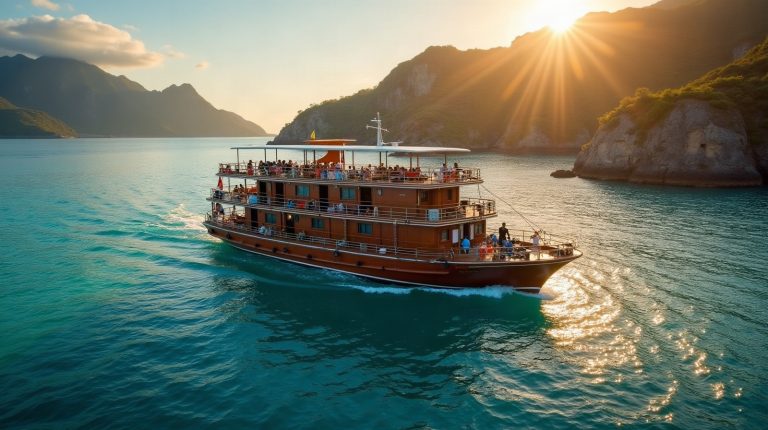
For solo travelers who want the full park — north, central, and the cooler southern sites — a shared-cabin liveaboard is the format to look at. Berths are sold individually: you share a twin or bunk cabin with another solo diver of the same gender, and the boat fills with independent travelers. Because you are buying a bed, not a cabin, the punishing single supplement largely disappears; where a solo-use cabin exists at all, the surcharge is quoted on request rather than assumed.
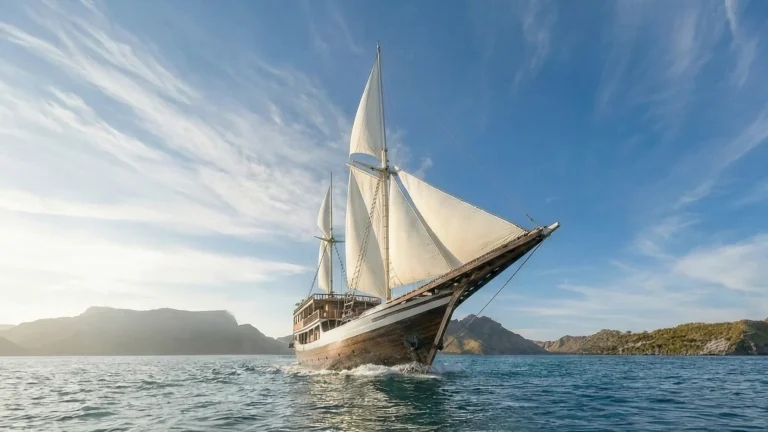
Shared itineraries commonly run three to six days — enough to combine northern pinnacles, central manta sites, and southern bays in one loop. If you are weighing formats, see our comparison of a Komodo day trip versus a liveaboard. For the boats themselves, our booking desk routes solo divers to shared departures operated through Komodo Luxury’s diving program, which runs vessels across several comfort classes and can match a berth to your budget.
How Buddy Pairing Works When You Arrive Alone
The question solo divers ask most: who do I dive with? Your guide handles it. On both day boats and liveaboards, the dive guide pairs unaccompanied divers with each other — matching certification level and logged experience — or, in an odd-numbered group, buddies you directly with the guide.
This is not a compromise. It is arguably safer than diving with a friend of unknown skill, because the pairing is made by someone who has already reviewed everyone’s certification cards and dive counts. On advanced sites, where currents run strong and entries are timed around slack tide, guides keep groups small and tight regardless of who arrived together. Your job is simply a proper buddy check and agreed signals before the first descent — after one dive, the awkwardness is gone.
The Social Side: Liveaboard Life for Solo Divers
Liveaboards are the most social way to dive Komodo, and the rhythm of the boat does the work for you: shared briefings, three or four dives a day with the same small group, communal meals, and sunset deck time between sites. By day two you have a default crew of dive buddies; by the end of the trip, logbook signatures from people you will actually stay in touch with.
Choose a boat size you are comfortable with — bigger shared boats mean more potential friends, smaller ones deeper conversations — and bring headphones for surface intervals when you want your own space. If you later travel with a non-diving partner, mixed divers-and-snorkelers trips exist too.
Solo Safety and Budgeting in Labuan Bajo, 2027
Komodo rewards preparation, and solo divers carry their own risk management. The core safety points:
- Respect the current ratings. Marquee sites like Castle Rock, Crystal Rock, Batu Bolong, and Shotgun can see strong to very strong currents — up to 5–7 knots at peak flow, sometimes with down-currents. These are Advanced-level dives; there is no shame in sitting one out.
- Dive with licensed operators only. A shop that checks your certification and logbook before assigning sites is protecting you, not gatekeeping.
- Pack for the south. Southern sites such as Manta Alley can drop to 22–25°C in July–September; ask for a thicker exposure suit on those itineraries.
- Carry dive insurance and know the park rules. Entry and activity fees apply per visitor — see our park fees guide for divers for what to budget.
On budgeting: solo divers control costs through format and timing. Shared day trips are the lowest per-day commitment; shared-cabin liveaboards cost more upfront but pack more dives into each day. Traveling in the dry-season shoulder — or December–March, when central sites still dive well and crowds thin out — stretches a solo budget further. All rates from our desk are indicative until confirmed for your dates.
When a Solo Diver Should Upgrade to a Small Private Group
Shared trips suit most solo divers, but upgrading sometimes makes sense. If you are a photographer who needs slow dives, want specific advanced sites on specific tides rather than the group consensus, or simply prefer to set the pace, a private Komodo diving charter — even as a single guest — buys you site selection, timing, and a guide’s full attention. Some solo travelers split the difference: a shared liveaboard for the social miles, plus one private day trip for the wish-list site. Private arrangements are quoted on request.
Whichever format you choose, the entry point is the same set of Komodo fun diving trips that certified divers join year-round from Labuan Bajo.
Frequently Asked Questions
Can I really book a Komodo dive trip for just one person?
Yes. Day trips and shared-cabin liveaboards are sold per diver, not per group. You book a single seat or berth, the operator fills the boat with other travelers, and no minimum group size applies.
Will I be forced to pay a single supplement on a liveaboard?
Not on shared-cabin bookings. You share a twin or bunk cabin with another same-gender solo diver at the standard per-person berth rate. A supplement only applies if you request sole use of a cabin, quoted on request.
Who will my dive buddy be if I travel alone?
Your dive guide assigns one. Solo divers are paired with each other by certification level and experience, or buddied directly with the guide in odd-numbered groups. Pairings are reviewed against everyone’s cards and logbooks before the first dive.
Is Komodo safe for a solo diver who is newly certified?
Yes, on the right sites. Calm reefs like Siaba Besar and manta sites like Karang Makassar suit Open Water divers, while advanced pinnacles require AOW and significant logged dives. Book with an operator that matches sites to your level, and take a refresher if you have not dived recently.
What is the best time of year for a solo diving trip to Komodo?
The dry season, April–November, is prime — April–June and September–November offer the best mix of calm seas and visibility. December–March is wetter, but central sites still dive and shared boats are quieter.
Plan Your Solo Komodo Dive Trip
Tell us your certification level, logged dives, and travel dates, and we will match you to the right shared day trip, liveaboard berth, or private upgrade — per-person rates quoted on request. Message the booking desk on WhatsApp at +62 811-3823-875 or email bd@juaraholding.com — just show up, and the boat is already full of buddies.