Eco-Friendly Dive Centers in Labuan Bajo (2027)
Choosing among eco friendly dive centers Labuan Bajo 2027 guide seekers should know: the fastest way to tell them apart is to check how they handle three things — buoyancy discipline on the reef, waste and plastic on board, and whether any part of the trip fee actually funds Komodo National Park conservation. As of 2026, most operators in Labuan Bajo now advertise “eco-friendly” or “sustainable” diving, but the practices behind that label vary a lot from boat to boat and shop to shop. This guide gives you a practical checklist so you can judge an operator on what it does, not just what it says.
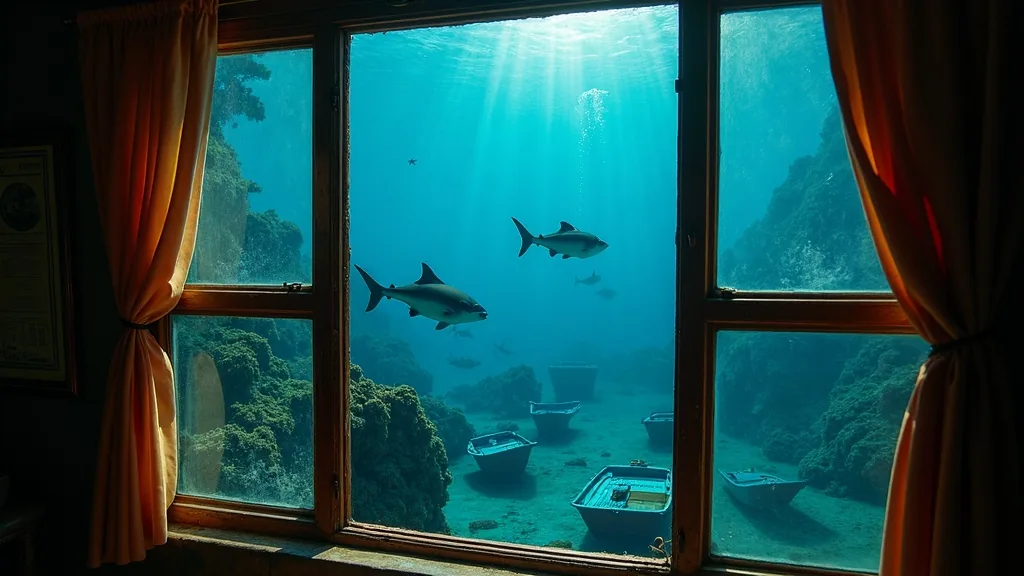
Komodo National Park is one of the reasons Labuan Bajo has become a global dive destination, and it is also one of the most fragile marine environments in Indonesia. Strong currents at sites like Castle Rock and Crystal Rock in the north, and Batu Bolong and Manta Point in the central park, sustain extraordinary coral and pelagic life — but those same currents make careless fin kicks, poor weighting, and reef contact more damaging than in calmer waters. An eco-conscious dive center is not a marketing niche here; it is the difference between a reef that still looks like this in ten years and one that does not.
Eco Friendly Dive Centers in Labuan Bajo: A 2027 Guide to What to Look For
A genuinely eco-friendly dive center combines three verifiable habits: it briefs and enforces reef-safe diving behavior rather than just posting a sign about it, it has a working system for reducing single-use plastic and managing waste on its boats, and it contributes in some direct, checkable way to reef or ranger-supported conservation in Komodo National Park. That is really the core of any useful eco friendly dive centers Labuan Bajo 2027 guide — specifics you can check, not slogans.
1. Reef-safe diving practice, not just a poster on the wall
The single biggest variable between operators is what happens underwater, not what is printed in the brochure. Look for these concrete signs:
- Buoyancy checks before drift sites. Because currents at Batu Bolong, Castle Rock, and Crystal Rock can be strong, a responsible operator checks trim and weighting in a sheltered spot before taking divers into current-exposed terrain, rather than assuming everyone is ready.
- Small group ratios with a dedicated dive guide per group, not one guide trying to track eight or ten divers at once across a reef wall.
- No touching, standing, or gloves-on-coral policy that is actually enforced, including a guide who signals or intervenes when a diver drifts too close to coral, rather than one who lets it slide.
- Reef-safe sunscreen encouraged or required, since oxybenzone and octinoxate in ordinary sunscreens are known reef stressors, even in a park with strong currents that dilute concentration somewhat.
- Anchor discipline — mooring buoys used where available instead of dropping anchor directly onto coral structure.
Because currents in the park’s north (Castle Rock, Crystal Rock) and center (Batu Bolong, Manta Point) run strong, these sites are generally recommended for advanced or experienced divers, and an eco-minded operator will say so plainly rather than sending underqualified divers into conditions where panic and poor buoyancy cause reef damage.
2. Waste management on board and at the dock
Day trips run by speedboat from Labuan Bajo and multi-day liveaboards both generate waste — food packaging, drinking water, fuel, and grey water. An operator serious about sustainability should be able to point to concrete steps such as:
- Refillable water stations or large water containers on board instead of individual single-use plastic bottles for every guest and crew member on every trip.
- A stated system for carrying trash back to Labuan Bajo for proper disposal rather than any at-sea dumping, given that waste management infrastructure in eastern Indonesia is still developing.
- Basic wastewater practice on liveaboards — holding grey water rather than releasing it directly over sensitive reef areas.
- Crew briefed on the same no-touch, no-litter standards expected of guests, since crew habits set the tone for a trip.
None of this is glamorous, which is exactly why asking direct questions before booking matters more than judging by photos alone.
3. A real, traceable conservation contribution
Every diver entering Komodo National Park pays a park entrance fee, and rangers are a mandatory part of dive and trekking operations inside the park boundary — standard policy, not an optional add-on from any operator. Beyond that baseline, some dive centers go further by supporting reef monitoring, mooring buoy installation, or local conservation partners. When comparing operators, ask plainly: what happens beyond the mandatory park fee? A center that cannot answer specifically is not necessarily dishonest, but it is not the standard this checklist describes either.
We deliberately avoid quoting review scores or sustainability certifications here — verify any such claim directly with the operator, since labels are sometimes used loosely in this market.
Best season to combine eco-conscious diving with manta and visibility conditions
Timing your trip well is itself a form of low-impact diving, since it means less crowding pressure on the most popular sites and better conditions for divers to maintain good buoyancy. Per current seasonal patterns:
- December to February is manta season, when sightings at Manta Point and Manta Alley are most consistent — plan for busier boat traffic at peak sites during this window.
- April to November generally offers the best overall visibility across the park, spanning both the stronger-current northern sites and the calmer central and southern sites.
- Shoulder months often combine decent visibility with lighter site traffic, which in practice means less crowding around fragile coral formations at any given time.
An eco-aware operator also matches you to sites suited to your certification and comfort with current, rather than pushing every guest toward the same highlight site — sending an underprepared diver into a strong-current site like Castle Rock is both a safety risk and a reef risk.
Day trip or liveaboard: which is the lower-impact choice?
Both formats can be run responsibly or carelessly — the format itself is not the deciding factor. Day trips by speedboat from Labuan Bajo suit shorter visits and put less continuous pressure on any single area, since the boat returns to port daily. Liveaboards spend more consecutive days inside the park and can reach more remote sites in the north and south, but that also means the operator’s on-board waste and fuel practices matter over a longer stretch. The more useful question is not “which format is greener” but “does this operator run either one well” — which loops back to the checklist above.
If you are researching how park zoning is evolving to protect specific reef areas as diver numbers grow, our related piece on reef protection and dive zoning in Labuan Bajo goes deeper into how site rotation and mooring systems are being used to manage pressure on the most-visited coral areas.
Questions to ask a dive center before you book
A short, direct conversation before booking tells you more than any marketing page, and it is the fastest way to apply this eco friendly dive centers Labuan Bajo 2027 guide in practice. Useful questions include:
- What is your maximum diver-to-guide ratio on a boat, and does it change for current-exposed sites like Castle Rock or Crystal Rock?
- How do you handle drinking water and trash on multi-day trips?
- Do your dive guides intervene if a diver touches or stands on coral?
- Is any part of the trip cost directed to reef monitoring or ranger-supported conservation beyond the mandatory park fee?
- How do you match site selection to a diver’s certification level and experience with current?
Any operator confident in its own practices should answer these without hesitation. Treat vague or deflecting answers as useful information in themselves.
A note on pricing and honest expectations
Prices for day trips, courses, and liveaboard packages in Labuan Bajo vary by season, boat size, and itinerary length, so treat any figure you see — including on our own pages — as indicative rather than fixed, and confirm current pricing directly before booking. We also will not promise specific future changes to park fees, zoning, or permit rules years in advance; park policy is set by the relevant authorities and can be revised, so plan around currently confirmed rules rather than assumptions about what may come later.
To learn more about how our team approaches diving and boat operations across Labuan Bajo, see our About page. Part of Juara Holding Group — operating from Bali across Indonesia since 2015 — our network works with dive and liveaboard operators across the park and can match you to a center whose practices fit what matters to you, whether that is a manta-season day trip, a multi-day liveaboard, or a PADI course.
If you want help comparing operators using this eco friendly dive centers Labuan Bajo 2027 guide, checking current pricing, or building a day-trip or liveaboard itinerary around the best conditions for your dates, reach out on WhatsApp at +62 811-3823-875 or email sales@komodoluxury.com. We can walk through operator options, seasonal timing, and what to expect on board before you commit to a booking.