Labuan Bajo 2027 Reef Protection & Dive Zoning
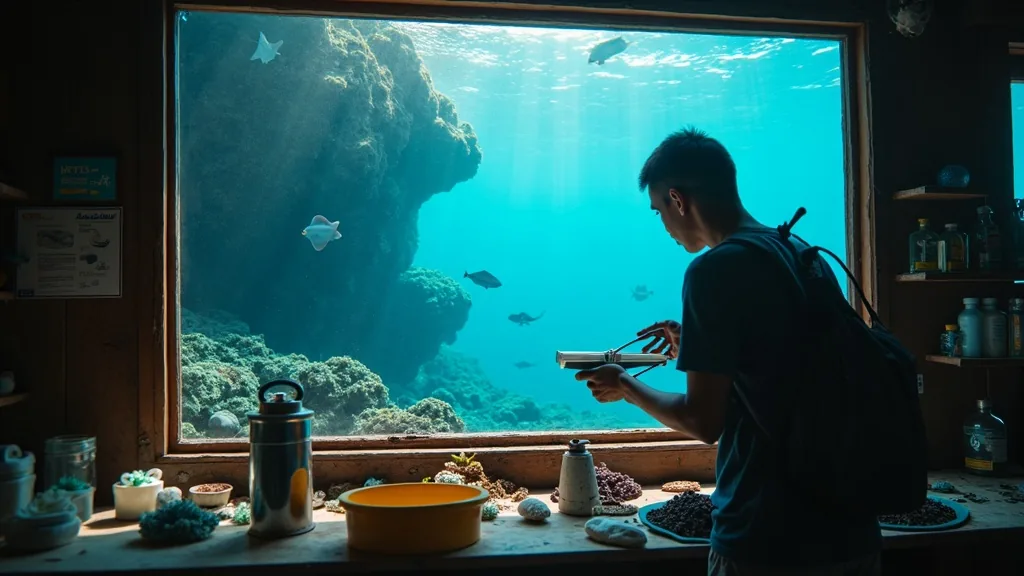
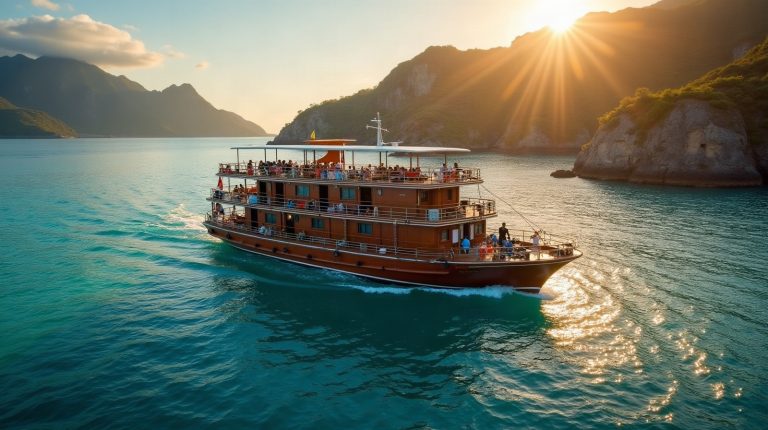
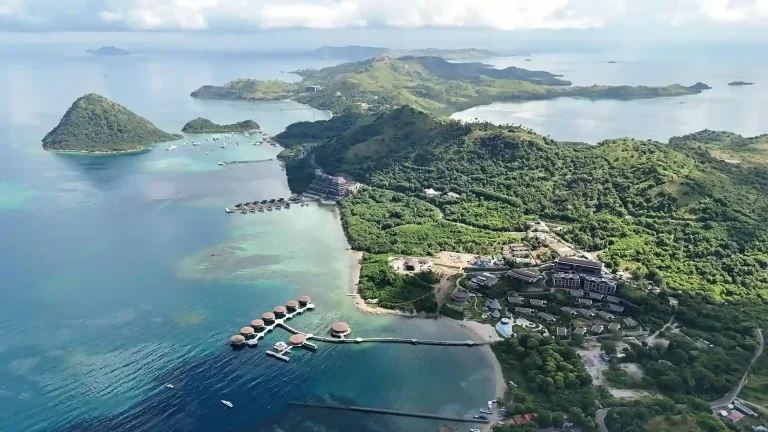
Labuan Bajo 2027 reef protection and dive site zoning is the term increasingly used to describe how Komodo National Park is expected to manage diver pressure at its most popular reefs — Batu Bolong, Manta Point, and Castle Rock among them. In practical terms, this points toward more structured site rotation, tighter dive-guide ratios, and permit-based access rather than a ban on diving. Here is what the direction of travel looks like as of 2026, and how to plan a Komodo dive trip that stays flexible no matter how the final rules land.
What Does Labuan Bajo 2027 Reef Protection and Dive Site Zoning Mean for Divers?
Komodo National Park already operates under a formal zonation system, separating core conservation areas from designated tourism-use zones, under Indonesia’s national park management framework. What is shifting is how actively that zoning is enforced at the dive-site level. Rather than every boat anchoring at Manta Point or Batu Bolong whenever conditions allow, park management has been signaling a move toward scheduled access — assigning time slots, capping the number of boats per site per day, and rotating lesser-known sites into the mix to spread pressure away from the flagship reefs.
This is what Labuan Bajo 2027 reef protection and dive site zoning looks like in practice: not one single new law taking effect on a fixed date, but a gradual tightening of existing rules — park fees, ranger check-ins, and dive briefings — combined with new layers of scheduling and rotation. Nothing here has been finalized in public form as of 2026, so treat this as a planning guide rather than a legal statement, and confirm current requirements with your operator before booking.
Why Is Komodo National Park Moving Toward Stricter Zoning?
The pressure is straightforward: Labuan Bajo’s diving reputation has grown fast, and a handful of sites absorb most of the demand. Reef manta rays cluster at Manta Point in predictable, filmable numbers; Batu Bolong is a compact pinnacle that suits day-trip schedules; Castle Rock and Crystal Rock deliver the big-fish, big-current drama that advanced divers travel for. When most boats want the same few coordinates at the same tide window, coral structures and cleaning stations take the wear, and manta rays get less undisturbed feeding time during their peak season.
Site rotation and stricter zoning are the standard conservation response used in marine parks worldwide facing similar success-driven pressure: reduce the frequency of visits to the busiest points, redirect some traffic to healthy but underused sites, and let recovery periods do their work. In recent years, proposed changes to Komodo’s park fees and access rules have already drawn debate between conservation authorities, dive operators, and travelers — a reminder that policy here tends to evolve step by step rather than arrive fully formed.
Which Flagship Dive Sites Could Be Affected Most?
Not every site carries equal pressure, and zoning discussions tend to focus where demand is heaviest. A quick read on where the flagship sites sit today:
| Site | Region | Typical Current | Diver Level |
|---|---|---|---|
| Batu Bolong | Central Komodo | Moderate to strong, can change fast | Advanced recommended |
| Manta Point | Central Komodo | Mild to moderate | Open Water and above |
| Castle Rock | North Komodo | Strong, often ripping | Advanced only |
| Crystal Rock | North Komodo | Strong, unpredictable | Advanced only |
For a fuller breakdown of these and other reefs across the park, our guide to Komodo dive sites covers depth ranges, marine life, and which sites suit which certification level. If zoning does introduce rotation, sites in that guide beyond the four flagships are exactly where dive operators are likely to shift schedule slots.
How Might Manta Point, Batu Bolong, and Castle Rock Change Under Rotation?
If a rotation model is adopted, expect it to look less like closures and more like traffic management. A boat that used to dive Batu Bolong every morning might instead get an assigned window two or three times a week, with a nearby alternative site filled in on other days. Manta Point, given how weather- and season-dependent manta sightings already are, may see capacity limits tied to the number of divers in the water at once rather than a fixed calendar schedule. The north sites — Castle Rock and Crystal Rock — already self-limit somewhat because their currents demand advanced certification and experienced guiding, so any additional zoning there is more likely to focus on boat traffic and anchoring practices than diver numbers.
None of this should discourage booking a Komodo trip. Operators who already work closely with park rangers and stay current on permit paperwork are best placed to absorb these changes without disrupting your itinerary — which is largely a matter of local relationships and flexible trip planning rather than anything a traveler needs to manage directly.
When Is the Best Time to Dive Labuan Bajo Under Any Zoning Scenario?
Regardless of how site access evolves, Komodo’s seasonal patterns stay the same. Manta ray season generally runs from December through February, when nutrient-rich water draws large numbers of mantas to cleaning and feeding stations — though visibility during these wetter months can be reduced. For the clearest water, April through November is typically the stronger window, coinciding with the dry season and calmer surface conditions for the speedboat crossings between Labuan Bajo and the outer sites. Divers chasing both manta encounters and good visibility often aim for the shoulder months at either end of that range.
Because Labuan Bajo 2027 reef protection and dive site zoning is still taking shape, booking during shoulder season can also mean more flexibility if a preferred site is temporarily rotated out — fewer boats competing for the same slots, and more room for your operator to adjust the day’s plan on short notice.
How Should Divers Plan a Trip Around These Access Changes?
A few practical habits make any zoning shift a non-issue:
- Book through an operator who handles park permits and ranger coordination directly, rather than assembling day trips piecemeal.
- Stay open to itinerary swaps. A guide who offers an alternative site with similar terrain and marine life is doing exactly what rotation policy intends.
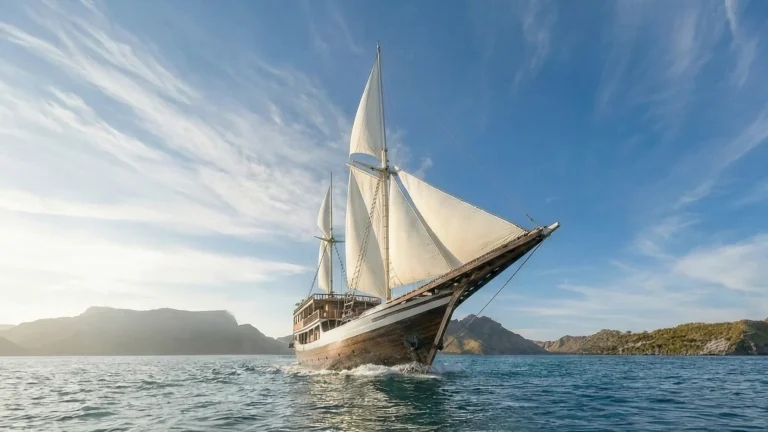
- Match the trip style to your certification. Day trips by speedboat from Labuan Bajo suit Batu Bolong and Manta Point well; the stronger currents at Castle Rock and Crystal Rock are better suited to a liveaboard itinerary with experienced guiding and more time to read conditions.
- Consider a course before you dive the current-heavy north sites. An Advanced Open Water or drift-diving course is a practical way to prepare if Castle Rock or Crystal Rock are on your list.
- Confirm current permit requirements before you fly. Our page on Komodo 2027 diving permit requirements tracks what is publicly known so far and what remains to be confirmed.
Every dive here already includes a park entrance fee and ranger presence as standard practice — that part of the system is well established and unlikely to disappear under any zoning update. What’s likely to change is scheduling around it, not the fundamentals of how a dive day is run.
Book Your Komodo Dive Trip With Local Experts
Whatever shape Labuan Bajo 2027 reef protection and dive site zoning finally takes, the trips that adapt best are the ones planned with operators who are already inside the permit and ranger system — not scrambling to catch up after a rule changes. We put together day trips, liveaboard itineraries, and dive courses across Komodo National Park, matching your certification level and travel dates to sites that are open, in season, and worth the boat ride. As part of Juara Holding Group — operating from Bali across Indonesia since 2015 — our team works directly with local dive operators and boat crews across the Komodo region, so itinerary changes get handled before they become your problem.
Trip pricing is indicative and depends on season, group size, sites, and boat type, so we share a firm quote once we know your dates. To start planning a Labuan Bajo dive trip, or to ask how current zoning discussions might affect your preferred sites, message us on WhatsApp at +62 811-3823-875 or email sales@komodoluxury.com.