Komodo 2027 Manta Ray Tourism Regulations Guide
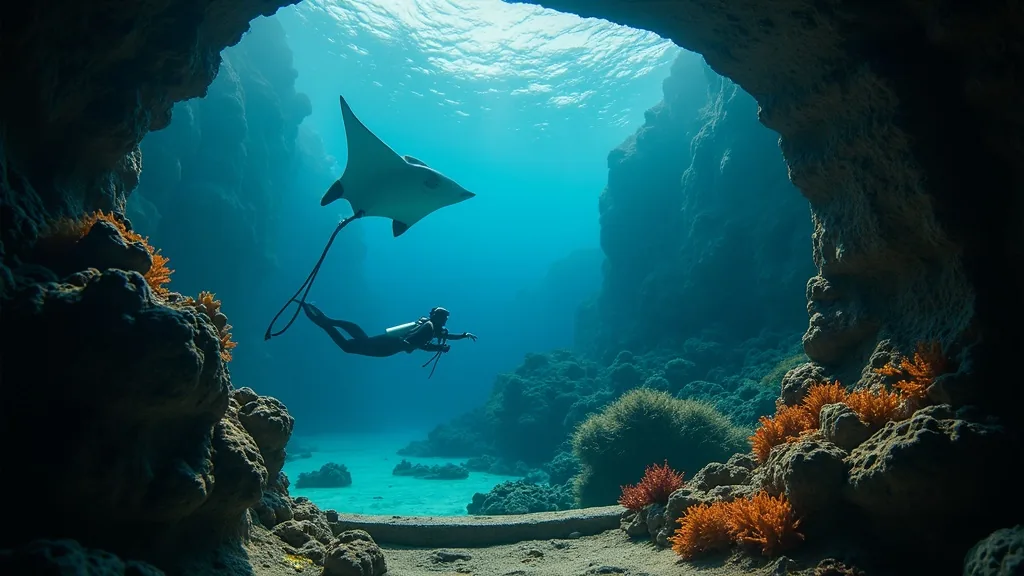
Divers planning a trip to Komodo National Park in 2027 should expect tighter management at the park’s two flagship manta ray sites, Manta Point (Karang Makassar) and Manta Alley. The Komodo 2027 manta ray tourism regulations and guidelines now being discussed by park authorities center on two changes: a cap on the number of boats allowed at each site during peak hours, and a clearer minimum interaction distance between divers or snorkelers and the mantas themselves. Final figures have not been published as of 2026, but the direction builds directly on conservation measures Komodo National Park has introduced over the past several years to reduce crowding and disturbance at its most-visited reefs.
What Are the Komodo 2027 Manta Ray Tourism Regulations and Guidelines?
Komodo National Park is managed by Balai Taman Nasional Komodo (the park authority) together with local dive operators, and access to popular sites already runs through a permit-and-ranger system: every boat entering the park pays a conservation fee and carries a ranger who briefs divers before entry. The Komodo 2027 manta ray tourism regulations and guidelines extend this existing framework specifically to manta sites, where visitor numbers during peak season have grown faster than the reef’s carrying capacity. Rather than a single new law, what is emerging is a set of site-management rules — boat scheduling, group-size limits, and interaction distances — that operators are expected to follow once formalized.
Why Is Komodo National Park Tightening Access to Manta Ray Sites?
Manta Point at Karang Makassar is a shallow cleaning station on a relatively small stretch of reef, which makes it easy to overwhelm. During the Dec-Feb migratory season, reef mantas gather here in numbers to feed on seasonal plankton blooms, and several liveaboards and day-trip speedboats often converge on the same spot within the same hour. That concentration raises the risk of propeller strikes, disturbs natural feeding behavior, and adds wear on the coral from anchoring and fin contact. You can read more about the site itself, its cleaning-station ecology, and how dive schedules are currently organized on our Manta Point Karang Makassar guide. The pressure at this single site is the main reason the 2027 guidelines focus on boat volume rather than blanket restrictions across the whole park.
What New Boat-Limit Rules Are Expected at Manta Point and Manta Alley?
Early indications point toward a rotation or time-slot system, similar to queue arrangements already used informally at some of Komodo’s busier sites, where rangers manage the order in which boats moor and divers enter the water. Under this approach, an operator would reserve a slot in advance rather than arriving and waiting on the surface. Nothing here should be read as confirmed policy — the table below reflects the current situation compared with the direction being discussed for the 2027 season, and travelers should always confirm the latest requirements with their operator closer to their travel date.
| Dive Site | Current Practice (as of 2026) | Reported Direction for 2027 |
|---|---|---|
| Manta Point (Karang Makassar) | Ranger-escorted entry, open mooring order | Boat rotation or time-slot system reportedly under discussion |
| Manta Alley | Seasonal access with mandatory ranger briefing | Similar scheduling approach reportedly proposed for peak months |
What Interaction-Distance Guidelines Will Divers and Snorkelers Follow?
Alongside boat scheduling, the second pillar of the Komodo 2027 manta ray tourism regulations and guidelines is a clearer minimum distance between people and mantas in the water — a formalization of responsible-diving practices that reputable operators already teach: no touching, no chasing, no blocking a manta’s swim path, and no flash photography near the cleaning station. Group sizes in the water at any one time are also expected to be capped, with snorkelers and divers kept in separate zones so neither group crowds the animals or each other. These practices already reduce stress on the mantas today, and formalizing them simply gives rangers a clear standard to enforce.
How Will These Regulations Affect Day Trips and Liveaboards From Labuan Bajo?
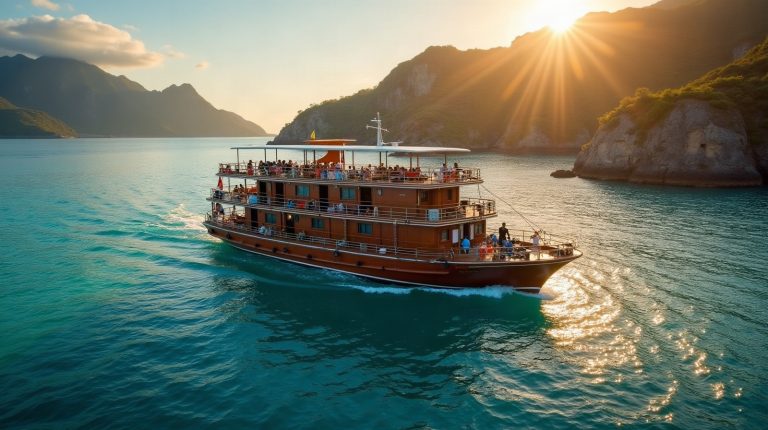
For day-trip divers, the practical impact of tighter boat limits is straightforward: speedboat trips from Labuan Bajo to Manta Point or Manta Alley already require a park entrance fee and an onboard ranger, and under a rotation system it will matter more to book ahead rather than showing up to a dive shop the day before. Liveaboards generally have an advantage here, since a multi-day itinerary can be timed around off-peak hours or reshuffled if a slot changes, whereas a single-day speedboat trip has less flexibility if a scheduled window shifts. If you are planning a dedicated manta encounter rather than a general Komodo itinerary, our Labuan Bajo manta ray diving trip page outlines how day trips and multi-day options are currently structured, which is a useful starting point before quotas potentially tighten further.
When Is the Best Time to Dive With Mantas Under the New Guidelines?
None of the regulatory changes affect the underlying biology: Manta Alley remains most reliable from December through February, when reef mantas move into the southern sites in greater numbers, while Karang Makassar hosts mantas at its cleaning station across much of the year with the same seasonal peak. Overall visibility in Komodo National Park tends to be best from April to November, so divers choosing between manta density and clearer water face a genuine trade-off depending on the month. Currents at the park’s northern sites — Castle Rock and Crystal Rock — and at central reefs like Batu Bolong can run strong, which is why these dives are generally reserved for advanced divers, and why a booked slot under any future scheduling system is likely to be matched to conditions on the day rather than a fixed calendar date.
How Should You Prepare for a Manta Dive Trip in 2027?
Practical preparation does not change much even as the rules tighten. An Advanced Open Water certification (or equivalent logged experience) is strongly recommended given the currents at Komodo’s main sites, and divers should be comfortable with drift-diving techniques before booking a north-park itinerary. Because boat-limit rules under discussion would reduce the number of same-day slots at Manta Point and Manta Alley, booking further in advance is a sensible precaution regardless of exactly when the new system takes effect. It is also worth choosing an operator who stays current on park announcements, since rangers — not tour operators — will ultimately enforce whatever version of the Komodo 2027 manta ray tourism regulations and guidelines is finalized.
As Komodo National Park continues to refine access rules around its manta ray sites, the safest approach for divers is to treat any specific figures — boat caps, exact interaction distances, or fee changes — as provisional until confirmed closer to your travel dates. Part of Juara Holding Group, operating from Bali across Indonesia since 2015, our Komodo Luxury team tracks these updates directly with park operators and can confirm current requirements before you book. For the latest on scheduling, permits, and manta-focused itineraries, message us on WhatsApp at +62 811-3823-875 or email sales@komodoluxury.com — we will help you plan a trip that works with the rules in place at the time you travel, not just the ones on paper today.