Labuan Bajo Diving vs Bali Diving: Which to Pick?
Bali and Labuan Bajo both belong to Indonesia’s diving scene, but they suit different divers. In a straight labuan bajo diving vs bali diving comparison, Bali wins on convenience, easier conditions and lower-cost training, while Labuan Bajo and the Komodo National Park win on bigger marine life — manta rays, reef sharks, dolphins — inside a wilder, current-driven reef system. Neither one cancels out the other, and as of 2026 a growing number of divers simply do both on the same Indonesia itinerary.
Why Divers Keep Comparing Bali and Labuan Bajo
Most international divers land in Bali first — it is the main air hub, it has the most dive resorts per square kilometer in the country, and it is where a lot of people take their Open Water or Advanced course. Labuan Bajo, on the other side of Flores, is the gateway to Komodo National Park, one of the few places on earth where you can reasonably expect a manta ray, a reef shark and a healthy hard-coral wall on the same dive day. Because both destinations sit inside one country and one currency, travelers naturally weigh them against each other before deciding where to spend their dive budget and days off.
Labuan Bajo Diving vs Bali Diving Comparison: What Actually Changes Underwater?
The short version: Bali is friendlier water, Komodo is bigger animals. Here is how the two stack up side by side.
| Factor | Bali | Labuan Bajo / Komodo National Park |
|---|---|---|
| Marine life focus | Muck critters, wrecks (USS Liberty, Tulamben), occasional mola-mola at Nusa Penida | Manta rays, reef sharks, dolphins, dense schooling fish, strong hard-coral cover |
| Typical visibility | Variable by site and season, often 10-20m | Best April to November, commonly 15-30m at northern sites |
| Currents | Generally mild to moderate; a few strong exceptions (Nusa Penida) | Often strong, especially at northern sites (Castle Rock, Crystal Rock) |
| Suggested diver level | Beginner-friendly, good for certification | Advanced recommended for north sites; central sites more moderate |
| Trip format | Shore dives, day boats, easy logistics | Speedboat day trips from Labuan Bajo, or multi-day liveaboard |
| Best season | Year-round with regional variation | Manta season December-February; best overall visibility April-November |
Marine Life: Muck and Wrecks vs Big Animals
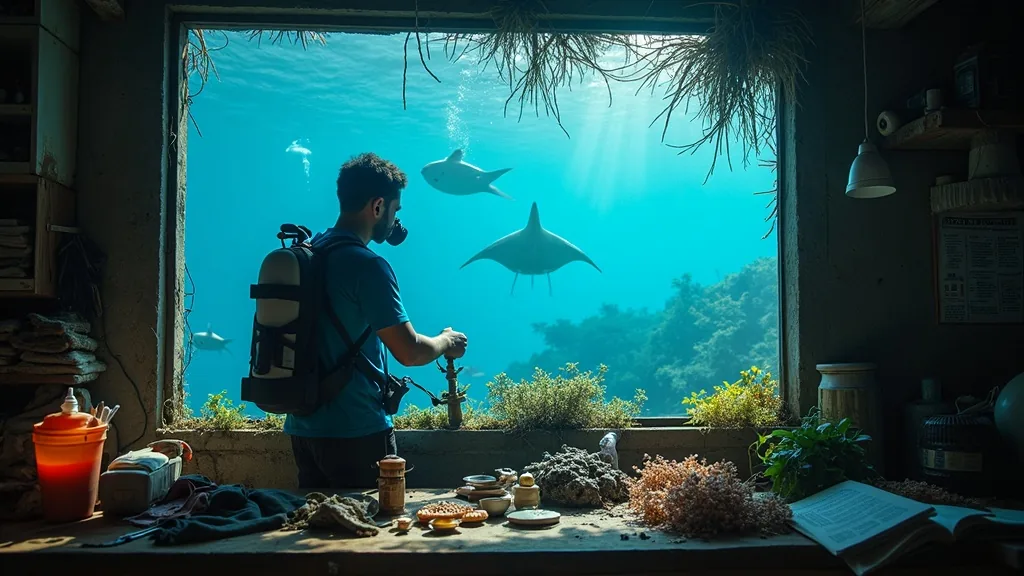
Bali built its reputation on macro and muck diving — Tulamben’s USS Liberty wreck and the black-sand slopes of Amed give divers a steady stream of nudibranchs, frogfish and other small, photogenic subjects, with Nusa Penida adding a seasonal shot at mola-mola. Labuan Bajo plays a different game. Komodo National Park is built around current-fed nutrient upwellings that draw in bigger animals: manta rays at Manta Point, reef sharks and schooling trevally around Batu Bolong, and dolphins are a regular surprise on the boat ride between sites. If your dive list is missing a manta ray, Komodo is the more direct route to ticking that box.
Visibility and Water Conditions
Visibility in Bali depends heavily on which coast and which month — the east coast sites tend to be more consistent, while Nusa Penida’s plankton-rich water that attracts mola-mola can cut visibility during that same season. In Komodo National Park, the general rule is that visibility is at its best from April through November, before the wetter months bring more runoff and particulate into the water column. Divers weighing a labuan bajo diving vs bali diving comparison purely on clarity should note that Komodo’s north side (Castle Rock, Crystal Rock) often delivers the longest sightlines in the park, precisely because those are the same sites where the current is strongest.
Currents and Who Each Destination Suits
This is where the two destinations diverge the most. Most Bali dive sites are manageable for newly certified divers, which is a large part of why so many people choose Bali for their Open Water or Advanced Open Water course. Komodo is a different animal — the same currents that feed the reefs and attract big fish also mean that northern sites like Castle Rock and Crystal Rock are generally recommended for advanced, current-experienced divers, sometimes with drift or reef-hook technique. Central sites such as Batu Bolong and Manta Point are more moderate and workable for divers with a reasonable number of logged dives, but Komodo National Park as a whole rewards experience more than Bali does.
Which Costs More: Bali Diving or Labuan Bajo Diving?
Pricing on both sides is indicative and moves with fuel costs, season and operator — treat any figure here as a starting point to confirm, not a locked quote. Bali day trips and courses are generally the more budget-friendly entry point into Indonesian diving, since dive centers are dense, competition is high, and most sites are a short drive or boat ride from shore. Labuan Bajo trips typically sit higher per day because of the logistics involved: speedboat fuel to reach northern and central sites, the Komodo National Park entrance fee and mandatory ranger accompaniment that applies inside the park, and — for multi-day itineraries — liveaboard costs that cover crew, meals and permits. As of 2026, the honest way to frame it is that Bali diving is usually cheaper per dive, while Komodo diving is priced for a less crowded, more logistically complex marine park. For current, itemized figures, our trip pricing page is kept up to date and is the better reference than any number quoted in a blog post.
How Far Is Labuan Bajo From Bali, and Is the Trip Worth It?
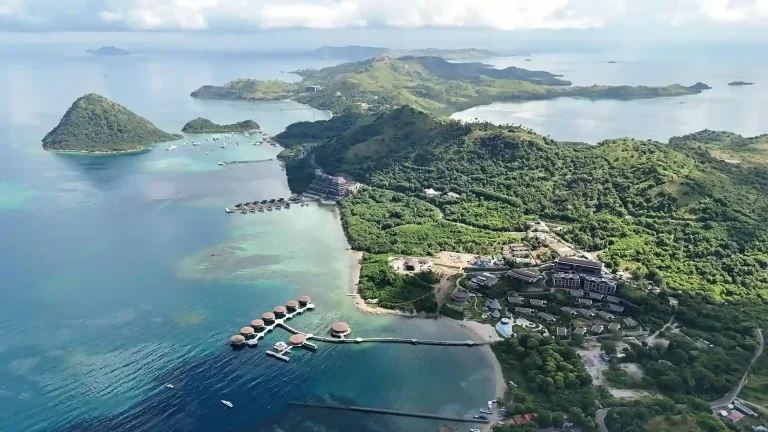
Bali and Labuan Bajo are connected by a direct flight of roughly one and a half to two hours, making Komodo genuinely reachable as an add-on rather than a separate holiday. Once you land in Labuan Bajo, the dive sites themselves are accessed by speedboat — most day trips depart from the harbor in Labuan Bajo town, reach the central sites (Batu Bolong, Manta Point) within about an hour, and push further north to Castle Rock and Crystal Rock on longer day trips or via liveaboard. For divers already in Bali, the flight is short enough that a Komodo extension of four to seven days is a realistic addition to an existing itinerary, not a separate trip requiring its own flights from home.
Should You Dive in Bali, Labuan Bajo, or Both?
If this is your first time in the water, or you are working on a certification, Bali is the lower-friction choice — calmer conditions, more instructors per site, and lower costs while you build skills. If you already have some dives logged and manta rays, reef sharks or a wilder reef system are on your list, Labuan Bajo is the more direct answer. For most travelers, though, the real answer to a labuan bajo diving vs bali diving comparison is not “pick one” — it is “sequence them.” Many divers use Bali to finish or refresh a certification, then fly to Labuan Bajo for the bigger-animal, more current-driven diving once their skills and comfort level are dialed in. If that combination sounds like your trip, our Labuan Bajo diving guide walks through site-by-site detail, seasonal timing and what to expect from day trips versus liveaboard.
Planning a Komodo Diving Trip From Bali
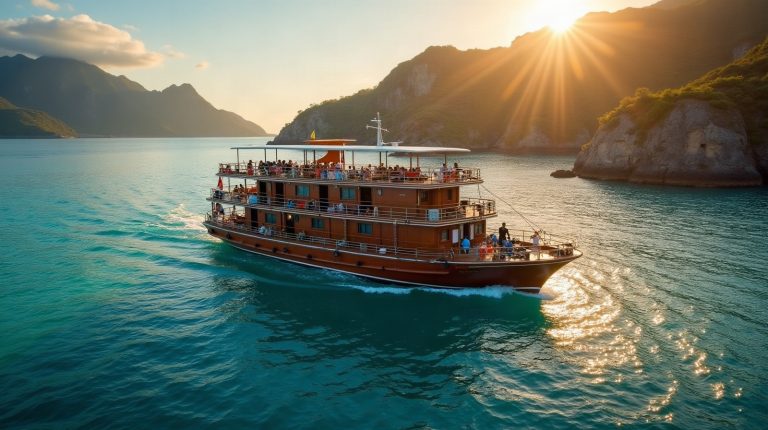
Once Komodo National Park is on the itinerary, the next question is format: a day-trip package out of Labuan Bajo for a shorter add-on, or a liveaboard for divers who want to reach the northern sites and cover more of the park without backtracking each day. Our Labuan Bajo dive packages cover both formats, built around the park’s manta season (December-February) and the April-November visibility window, with park fees and ranger accompaniment factored in rather than added as a surprise later.
Part of Juara Holding Group — operating from Bali across Indonesia since 2015 — our Komodo Luxury team handles the Labuan Bajo side of these trips directly, from day-trip scheduling to full liveaboard planning, so a Bali-based diver is not left guessing about logistics on the Flores side.
Ready to Compare or Combine Both Destinations?
Whether you are leaning toward Bali, set on Komodo, or want a realistic plan for both, message our team with your dates, current certification level and how many dives you have logged, and we will lay out honest options rather than a generic package. Reach us on WhatsApp at +62 811-3823-875 or by email at sales@komodoluxury.com, and we will help you decide — or combine — with a straight answer, not a sales script.