Komodo 2027 Climate Impact on Diving Visibility
Komodo 2027 climate change impacts on diving visibility are shaping up to be a seasonal story rather than a uniform decline: warmer sea surface temperatures and shifting current patterns are expected to sharpen the contrast between Komodo National Park’s dry-season clarity and its wet-season murk, while putting extra pressure on shallow coral gardens near Labuan Bajo. Divers who plan around the April-to-November visibility window and choose reef-safe, well-managed operators should still find world-class conditions at sites like Batu Bolong and Crystal Rock. This article breaks down what the available climate and marine data suggest for 2027, site by site, so you can plan a trip that accounts for both the opportunity and the risk.
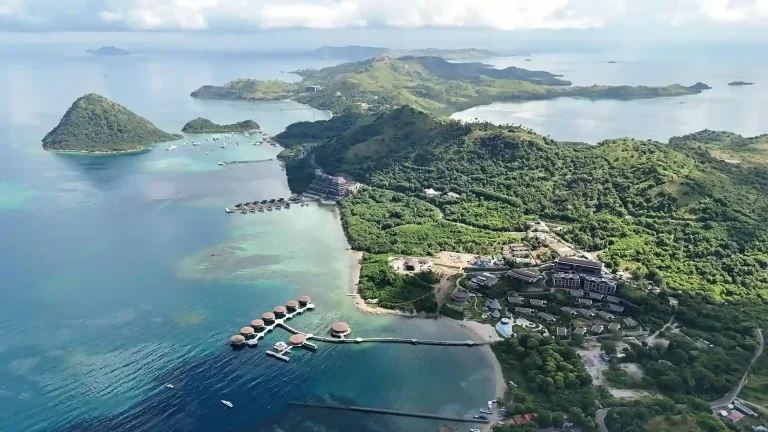
Komodo National Park sits at the meeting point of the Flores Sea and the Sumba Strait, where nutrient-rich upwelling currents create some of the best macro and pelagic diving in Indonesia. That same current system is also the reason visibility here has always swung more dramatically than in calmer destinations like Raja Ampat or the Gili Islands. As of 2026, regional ocean monitoring bodies and dive operators across Labuan Bajo have reported warmer-than-average sea surface temperatures in several recent years, part of a broader Coral Triangle warming trend rather than a single anomalous event. That trend is the backdrop against which any conversation about 2027 diving conditions has to happen.
Will Komodo 2027 Climate Change Impacts on Diving Visibility Be Noticeable to Divers?
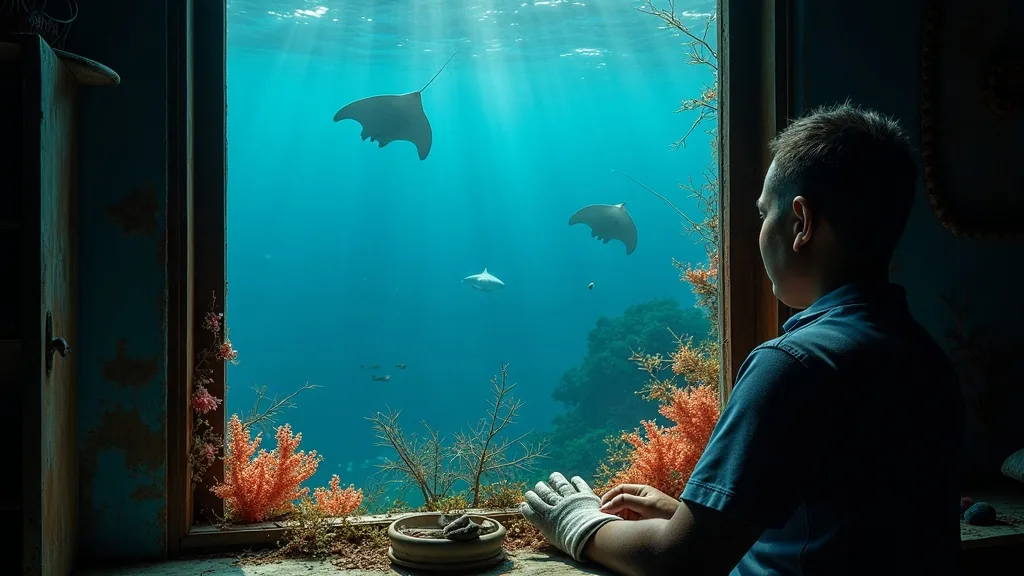
For most recreational divers booking a day trip or liveaboard, the honest answer is: probably subtle, site-dependent, and manageable with good planning. Visibility in Komodo is driven primarily by tidal current strength, plankton blooms, and seasonal rainfall runoff — not by temperature alone. Warmer water tends to amplify two existing patterns. First, it can extend or intensify plankton blooms that already reduce visibility in the manta feeding zones during December to February, since mantas gather where nutrient-rich, cooler upwelling meets warmer surface water. Second, sustained heat stress raises the risk of coral bleaching on shallow reef flats, which over time can reduce the structural complexity that keeps reef fish — and the clear-water conditions divers associate with healthy reef — in place.
Neither of these is a reason to cancel a Komodo trip in 2027. It is a reason to be more deliberate about which sites and which months you dive, and to choose an operator that tracks conditions in real time rather than running a fixed itinerary regardless of the day’s current and temperature readings. For a full breakdown of what each major site offers and when, our Komodo dive sites guide remains the best starting reference before you book.
North vs Central Komodo: How Site Location Changes the Visibility Picture
Komodo’s dive sites are not one uniform ecosystem, and that matters more, not less, as ocean conditions shift. The park splits broadly into two zones with different current and temperature behavior.
Northern sites: Castle Rock and Crystal Rock
These seamounts near Gili Lawa are exposed to strong, funneled currents from the Flores Sea. That current is precisely what keeps them cooler and generally better-oxygenated than sheltered bays, which historically has made them more resilient to warm-water stress. The tradeoff is that currents here can run strong enough that they are considered advanced-level sites — an Advanced Open Water certification and confident buoyancy control are strongly recommended before booking Castle Rock or Crystal Rock, since drift diving in a 2-3 knot current with limited visibility is not the place to build comfort with a regulator for the first time.
Central sites: Batu Bolong and Manta Point
Batu Bolong is a narrow pinnacle with a reputation for both stunning color and unpredictable current on either flank, making it a favorite for experienced divers looking for dense reef fish activity in a small area. Manta Point (in the central Komodo channel, distinct from other manta sites in the region) is shallower and calmer, which is exactly why it has become a manta cleaning and feeding station — but that same calmer water is more susceptible to warm-season plankton haze than the northern current-swept sites. This is one of the clearest local examples of how Komodo 2027 climate change impacts on diving visibility will not be evenly distributed: a warm year could mean excellent visibility at Crystal Rock in the same week that Manta Point turns green with a plankton bloom.
| Site | Zone | Current | Visibility Sensitivity |
|---|---|---|---|
| Castle Rock | North (Gili Lawa) | Strong | Lower — current keeps water flushed and cooler |
| Crystal Rock | North (Gili Lawa) | Strong | Lower — similar upwelling exposure |
| Batu Bolong | Central | Moderate to strong, variable | Moderate |
| Manta Point | Central | Mild to moderate | Higher — prone to seasonal plankton blooms |
What Does the Komodo Diving Calendar Look Like for 2027?
The core seasonal pattern that has defined Komodo diving for years is expected to hold in 2027, even with a warmer baseline layered on top of it. Visibility is typically best from April through November, when drier conditions reduce freshwater runoff and plankton density drops in most channels, often giving 15-25 meters of clarity at exposed sites on a good day. December through February is manta season, when nutrient-rich water draws mantas into the central channels in higher numbers — but this is also when visibility is naturally at its lowest, sometimes down to 5-10 meters, because the same plankton bloom that feeds the mantas clouds the water. Divers chasing manta encounters in 2027 should go in expecting a tradeoff: incredible megafauna interactions in exchange for reduced visibility, not the other way around.
If a warmer 2027 season does intensify plankton activity, the practical effect is likely to be a slightly earlier or slightly extended low-visibility window around the manta season rather than a shift in the fundamental April-November versus December-February pattern. Operators who log daily conditions season over season are best placed to advise which week of a given month is trending clearer, which is one reason to book with a team that dives the sites regularly rather than one running a generic tour schedule.
Coral Health and Why It Matters for Long-Term Visibility
Visibility and coral health are connected over longer timeframes even though they are driven by different short-term mechanisms. Healthy, structurally complex reef supports the fish biomass and filter-feeding organisms that help keep local water clear; degraded, algae-covered reef after a bleaching event tends to support less of that natural filtration. Komodo National Park has so far fared better than many Indian Ocean and Caribbean reef systems against global bleaching events, partly because of its strong currents and cooler upwelling in the northern zone, but no reef system is immune to repeated heat stress. This is exactly why dive centers that follow reef-safe practices — mineral sunscreen only, no touching or standing on coral, controlled group sizes, and mooring buoys instead of anchors — matter more with each warming year, not less. We cover the specific practices worth asking about before you book with any Labuan Bajo operator in our guide to eco-friendly dive centers in Labuan Bajo for 2027.
Planning a Trip Around These Conditions
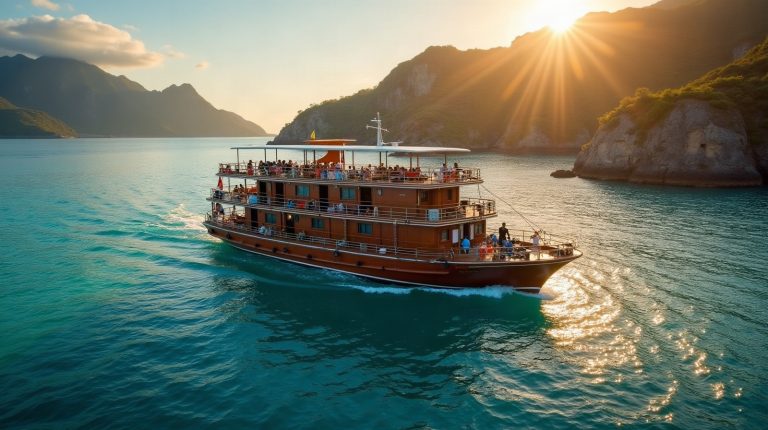
None of this changes the practical shape of a Komodo diving trip, only the details worth asking about. Day trips by speedboat from Labuan Bajo harbor typically reach 2-3 sites and suit divers with limited time, though the northern sites need a longer run and are usually paired into full-day or multi-day itineraries. Liveaboards remain the better option for covering both zones in one trip, since they eliminate the long transit and let you dive early morning slack tide — generally the clearest, calmest window at current-exposed sites. Every dive inside the park requires a paid park entrance fee and an accompanying ranger or park-authorized guide, a rule that also supports the conservation monitoring behind much of the coral health data referenced here. Divers newer to strong-current diving are well served by an Advanced Open Water or drift diving course locally before attempting the northern sites, rather than learning current management on a site like Crystal Rock itself.
Because 2027 conditions will vary week to week and site to site rather than following one simple trend, the most reliable planning approach for Komodo 2027 climate change impacts on diving visibility is a locally briefed itinerary that adjusts to what the water is actually doing on the day. Pricing for day trips, liveaboards, and courses varies by season, group size, and boat category, and any figures quoted before booking should be treated as indicative rather than fixed, since fuel, park fees, and boat availability shift throughout the year.
Part of Juara Holding Group — operating from Bali across Indonesia since 2015, our Komodo diving team plans itineraries around real, current-day conditions rather than a fixed template, matching certification level and interests to the right mix of northern and central sites. If you are planning a 2027 dive trip and want a season-and-site plan built around current visibility trends, reach out on WhatsApp at +62 811-3823-875 or email sales@komodoluxury.com — our team can walk you through day trip, liveaboard, and course options built around the weeks that are shaping up clearest.