Best Labuan Bajo Dive Sites for Underwater Photos
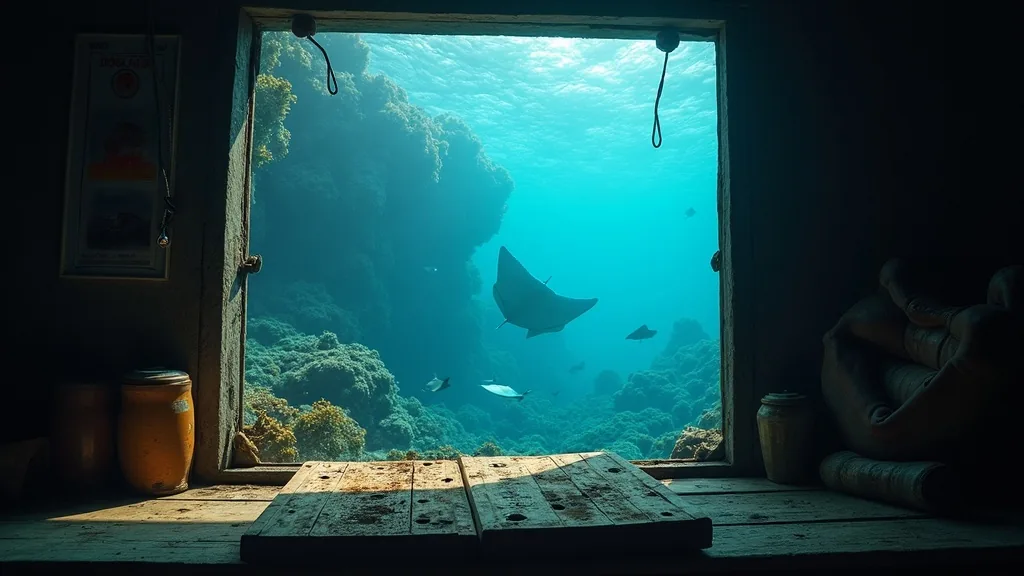
The best dive sites for Labuan Bajo underwater photography are not all the same dive — they simply reward different subjects. Wainilu is the macro specialist, packed with nudibranchs and frogfish for close-focus shots; Manta Point (Karang Makassar) is the big-animal stage where reef manta rays glide past wide-angle lenses; and Castle Rock delivers the wide-angle drama of schooling trevally and dogtooth tuna over a current-swept pinnacle. Picking the right site for the shot you actually want — rather than just the most famous name on the boat schedule — is what separates a handful of lucky frames from a real underwater photography portfolio. Here is how Komodo National Park’s dive sites rank by photographic subject, with camera settings and gear notes for each, as of 2026.
What Are the Best Labuan Bajo Dive Sites for Underwater Photography?
Ranked by subject rather than by reputation, the short answer is: Wainilu for macro, Manta Point (Karang Makassar) for big-animal encounters, and Castle Rock (with its neighbor Crystal Rock) for wide-angle reefscapes and schooling fish. Each site sits in a different part of Komodo National Park, has a different current profile, and calls for a different lens and strobe setup — which is exactly why serious underwater photographers plan their day trip or liveaboard itinerary around subjects, not just site names.
| Dive Site | Best For | Typical Depth | Current |
|---|---|---|---|
| Wainilu | Macro — nudibranchs, frogfish, ghost pipefish | 5–18m | Mild to moderate |
| Manta Point (Karang Makassar) | Big animal — reef manta rays | 5–16m | Moderate to strong |
| Castle Rock | Wide-angle — schooling fish, pinnacle scenery | 5–30m | Strong, advanced divers |
| Crystal Rock | Wide-angle — reef sharks, schooling jacks | 5–25m | Strong, advanced divers |
Macro Photography at Wainilu: Komodo’s Muck Diving Specialist
Wainilu, on the southern side of Komodo National Park, is a sloping black-sand and rubble site rather than a coral wall — which is exactly why macro shooters love it. The muck bottom hosts frogfish, ornate ghost pipefish, mimic octopus, and a rotating cast of nudibranch species that change with the season. Because there is little current here compared to the northern pinnacles, it is one of the more forgiving sites to shoot slowly: hover, compose, and wait for a subject to settle rather than fighting a drift.
For camera settings, a dedicated macro lens (or a wet macro lens on a compact housing) paired with a focus light and a small snoot makes the biggest difference at Wainilu. Shoot at a narrow aperture (f/16–f/22) to maximize depth of field on tiny subjects, keep shutter speed high enough to freeze any hand-shake, and dial strobe power down rather than up — most Wainilu macro subjects are close to the lens port, so overpowering the strobe just blows out detail. Read the full site breakdown, including seasonal sightings and buoyancy tips, on our Wainilu muck diving guide.
Big-Animal Photography: Manta Point (Karang Makassar)
Manta Point, locally known as Karang Makassar, is a shallow cleaning station in the central Komodo channel where reef manta rays circle to be groomed by cleaner wrasse. It is the single most reliable big-animal photography site in the park — divers typically hang at a safe distance over the sand or reef edge and let the mantas approach, rather than chasing them. A wide-angle or fisheye lens with a dome port is essential here; a macro setup will not get you anywhere close to the full wingspan of an animal that can reach several meters across.
Natural light usually outperforms strobes at Manta Point, since strobe strikes at this distance tend to wash out rather than fill in shadow. Push your shutter speed up to compensate for the mantas’ surprising speed when they bank and turn, and shoot from below the animal looking up whenever the sun angle allows — it is the classic composition here, since the water column is generally clear enough to silhouette the manta against the surface. For current conditions and the best time of day to shoot, see our dedicated Manta Point (Karang Makassar) page.
Wide-Angle Reefscapes: Castle Rock and Crystal Rock
In the north of Komodo National Park, Castle Rock and Crystal Rock are submerged pinnacles sitting in a strong tidal flow — the same current that draws in the schooling trevally, dogtooth tuna, and reef sharks that make these sites a wide-angle photographer’s favorite. Expect to descend quickly along a mooring or reef hook line and let the fish life come to you rather than swimming after it.
Photography here is as much about diving skill as camera skill. A negatively buoyant rig, a reef hook for stationary shots, and strobes angled up and out to avoid backscatter in open blue water matter more than any lens choice. Because both sites can produce sudden down-currents, they suit advanced divers with solid buoyancy control and drift-diving experience — not a first Komodo dive.
Camera Settings and Gear Tips for Komodo’s Currents
Across almost every site in this ranking, the single biggest variable for Labuan Bajo underwater photography is current, not light. Fast-moving water means one hand should always be free to grip a rock, reef hook, or line — a secure lanyard and a compact, well-balanced housing matter more here than in calmer destinations. For wide-angle sites like Castle Rock, push shutter speed up to counteract current-induced shake; for macro sites like Wainilu, you have more time to stabilize before firing the strobe.
Not every traveler brings a full rig to Komodo, and that is fine — housings, strobes, focus lights, and GoPro mounts can be arranged locally rather than checked in as extra luggage. If you need gear before a day trip or liveaboard, our Labuan Bajo scuba gear rental page covers what is typically available and how far ahead to book it, especially during peak manta season.
When Is the Best Season for Underwater Photography in Komodo?
Komodo National Park does not have one single “best” season for photography — it depends on the shot. Manta season runs roughly December to February, when nutrient-rich water brings plankton blooms and larger manta aggregations to Karang Makassar, though visibility during these months tends to drop as the plankton that feeds the mantas also clouds the water. For wide-angle reefscapes at Castle Rock and Crystal Rock, the clearer water window from around April to November generally gives better visibility and bluer backgrounds, even though manta numbers may be lower.
In practice, many photographers plan a Komodo trip around the shoulder months, aiming to catch reasonable visibility alongside a chance at manta encounters. As of 2026, operators still recommend checking current conditions and marine park advisories close to your travel dates, since visibility and animal movements shift year to year and should not be treated as guaranteed.
Day Trip or Liveaboard: Which Suits Photographers Best?
A speedboat day trip from Labuan Bajo typically covers two to three dive sites in a single day — enough to pair Wainilu with one big-animal or wide-angle site, but not enough to chase optimal light at multiple locations. A liveaboard lets you position at a site for early-morning or late-afternoon light, redo a dive if the first attempt misses the shot, and reach the northern sites without the longer transit a day boat has to budget for.
If your goal is a specific portfolio shot — a manta silhouette at first light, or trevally lit just right at Castle Rock — a liveaboard generally gives more flexibility. With limited days in Labuan Bajo, a well-planned day trip covering Wainilu and Manta Point together is a practical way to sample both ends of the photographic spectrum.
Do You Need Advanced Certification for These Dive Sites?
Wainilu is generally manageable for divers with Open Water certification and reasonable buoyancy control, since current is usually mild. Manta Point can run moderate to strong current depending on tide, so operators prefer Advanced Open Water or equivalent experience. Castle Rock and Crystal Rock, with stronger tidal flow and potential down-currents, are recommended only for Advanced divers or those with drift-diving experience — carrying a camera rig here adds task loading that inexperienced divers should not take on underwater. Every dive in Komodo National Park also requires a park entrance fee and an accompanying ranger or guide, as it is a protected marine reserve — build this into planning regardless of certification level.
Plan Your Labuan Bajo Underwater Photography Trip
Whether you are chasing macro subjects at Wainilu, manta encounters at Karang Makassar, or wide-angle schools at Castle Rock, the sites above cover the core of what makes Labuan Bajo underwater photography rewarding — and demanding. As part of Juara Holding Group, operating from Bali across Indonesia since 2015, our team can help match your photography goals to the right day trip or liveaboard itinerary, and arrange camera and dive gear rental in advance.
To plan a dive trip built around the sites and subjects in this guide, message us on WhatsApp at +62 811-3823-875 or email sales@komodoluxury.com. Let us know your certification level, the gear you are bringing or need to rent, and your travel dates, and we will help put together an itinerary suited to the shots you want to come home with.