Top Komodo Dive Sites 2027: Crowding & Access Guide
Batu Bolong and Manta Point already fill their best morning slots during peak season, and that pattern is only going to get tighter as liveaboard and day-trip traffic into Komodo National Park keeps climbing. This top Komodo dive sites 2027 crowding and access guide breaks down which flagship sites feel the pressure first, when the crowds actually thin out, and which lesser-dived walls and pinnacles give you comparable diving without the queue at the mooring line. Short version: book flagship sites for the first or last slot of the day, separate your manta-season plans (December to February) from your best-visibility plans (April to November), and keep two or three backup sites written into your itinerary before you leave Labuan Bajo.
Why Are Komodo’s Flagship Dive Sites Getting Busier?
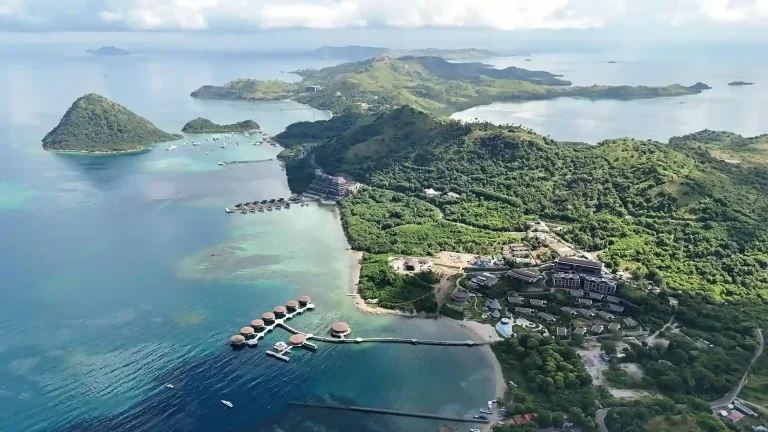
Komodo National Park sits inside a fairly tight travel radius from Labuan Bajo, and most of its best-known sites — Batu Bolong, Manta Point (Karang Makassar), Castle Rock, and Crystal Rock — are clustered close enough together that liveaboards and day-trip speedboats end up converging on the same mooring within the same two- to three-hour morning window. As of 2026, the park remains one of Indonesia’s busiest dive destinations, and the sites with the strongest reputations naturally draw the most boats. None of this makes the diving worse, but it does mean timing and site selection matter more than they did a few seasons ago, especially if you’re planning a 2027 trip around the classic must-see list — which is exactly what a proper top Komodo dive sites 2027 crowding and access guide should help you work around.
Top Komodo Dive Sites 2027: Crowding and Access Guide by Site
Not every flagship site gets crowded the same way. Some are small and fill up fast even with two or three boats; others are large enough, or current-swept enough, to absorb more traffic without feeling packed. Here’s how the main sites compare heading into the 2027 season.
| Site | Region | Typical pressure point | Current | Best access window |
|---|---|---|---|---|
| Batu Bolong | Central (Komodo–Rinca strait) | Mid-morning, when day boats and liveaboards overlap | Moderate to strong | First dive at first light, or the last afternoon slot |
| Manta Point | Central (Karang Makassar) | December–February, peak manta-viewing months | Mild to moderate | Early morning, before the surface gets busy with snorkel boats |
| Castle Rock | North (near Gili Lawa) | Slack-tide windows, which are short | Strong, advanced divers only | Liveaboard schedules that anchor overnight nearby |
| Crystal Rock | North (near Gili Lawa) | Same slack-tide windows as Castle Rock | Strong | Paired with Castle Rock on an early liveaboard circuit |
Batu Bolong: small pinnacle, outsized pressure
Batu Bolong is a narrow rock pinnacle rising out of the strait between Komodo and Rinca, and it’s exactly the kind of site that looks calm on a map but feels crowded the moment three boats show up at once — there simply isn’t much room around the wall. The soft coral cover and reef fish density are worth the trip, but if you want it closer to yourself, ask your operator for the first dive of the day rather than the standard mid-morning slot. Our full Batu Bolong dive site guide covers current direction, depth profile, and what to expect at different tide stages.
Manta Point: season timing beats time-of-day timing
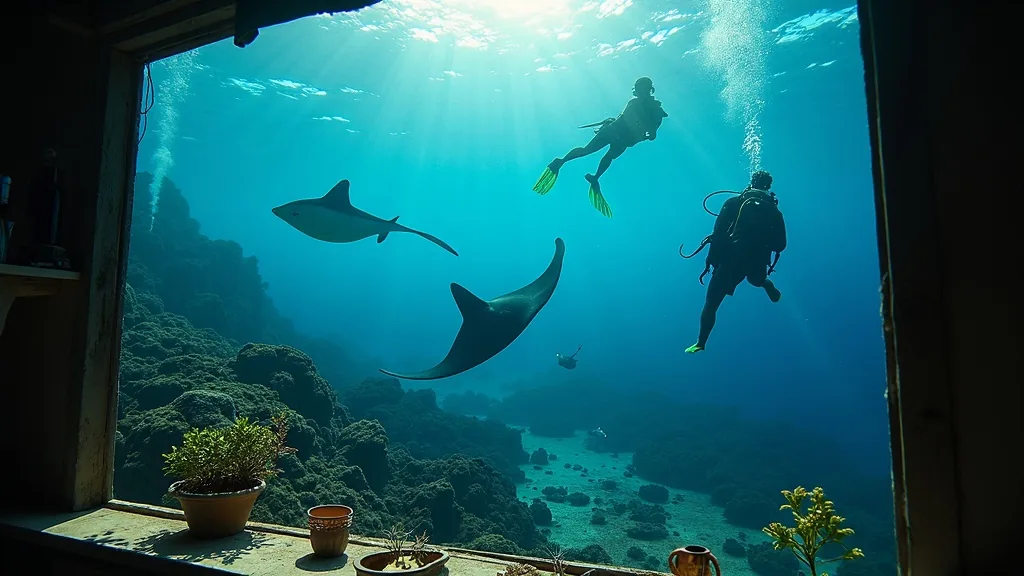
At Manta Point, the bigger scheduling question isn’t morning versus afternoon — it’s which months you dive. December through February is when manta sightings are most reliable, and it’s also when the site sees the most boat traffic, since every operator times trips around the same seasonal window. Visibility tends to be softer during these plankton-rich months compared with the clearer water typical from April to November, so you’re trading crowd-free water for a better shot at mantas, or vice versa, depending on what you prioritize.
Castle Rock and Crystal Rock: currents do the filtering
Both sites sit in the north of the park near Gili Lawa and are known for strong, current-driven drift dives that keep casual or newly certified divers away by default — this is advanced-diver territory. That natural filter means these two rarely feel as packed as Batu Bolong, even though liveaboards concentrate here during the short slack-tide windows when the current is diveable at all. A day-trip speedboat rarely reaches this far north and back in a single day, so access is mostly a liveaboard advantage.
When Should You Book to Avoid the Rush in 2027?
Two separate calendars matter in Komodo, and confusing them is the most common planning mistake. The first is the visibility calendar: April through November generally offers the clearer water divers associate with classic Komodo photos. The second is the manta calendar: December through February is peak manta season at sites like Manta Point, independent of visibility conditions. If your priority is calm, uncrowded diving with good visibility, the shoulder months at the edges of the dry season tend to work best. If mantas are the priority, you’ll be diving alongside more boats by design, and the trade-off is worth planning for rather than discovering on arrival.
For 2027 specifically, booking your slot two to three months ahead for peak-season weeks is a reasonable buffer, since flagship-site mooring space and liveaboard cabins for the busiest weeks tend to fill first. If you want to see exactly how a booking moves from inquiry to confirmed departure — including where courses and add-on days fit in — our how it works page walks through the process end to end.
Quieter Alternative Sites Worth Adding to Your 2027 Itinerary
Any realistic top Komodo dive sites 2027 crowding and access guide should include backup options, not just the four or five names everyone already knows. Tatawa Besar and Tatawa Kecil offer strong coral cover and current-fed fish action without the same boat density as Batu Bolong. Siaba Besar is a gentler, current-light site that works well for building confidence between more demanding dives, and it occasionally turns up mantas of its own. Further south, Cannibal Rock and the Horseshoe Bay area near Rinca offer a completely different character — muck-diving style critters and macro life rather than big-animal encounters — and see noticeably less traffic simply because they sit outside the standard north-central circuit. Our broader Komodo dive sites guide covers the full spread if you want to build a custom route rather than the default itinerary.
Day Trip, Liveaboard, or Course: Which Access Strategy Works Best?
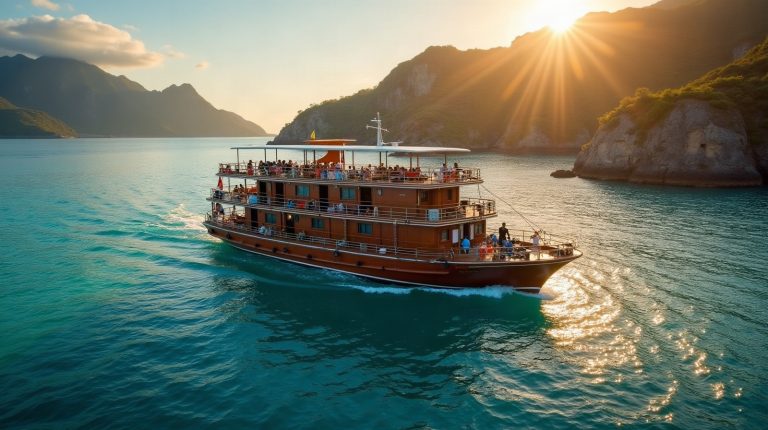
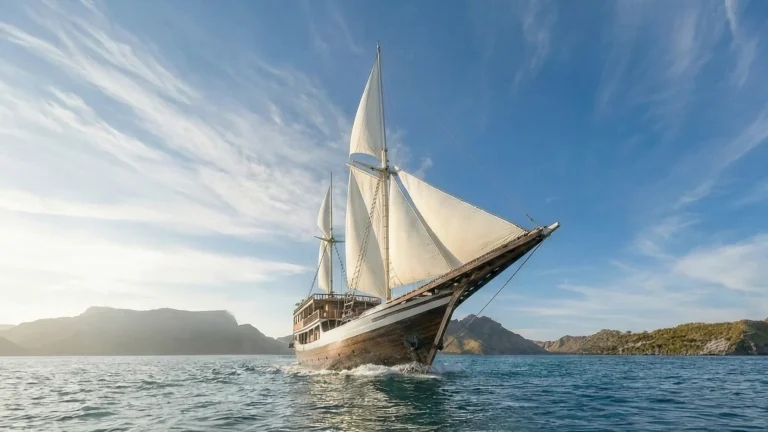
A day trip by speedboat from Labuan Bajo comfortably reaches central sites like Batu Bolong and Manta Point, but it puts you on the water at the same time as every other day boat heading to the same two or three names — you’re competing for the same morning window. A liveaboard changes the equation: overnighting near the north sites means you can be in the water at Castle Rock or Crystal Rock before the day-boat fleet has even left the harbor, and you gain access to the slack-tide windows that day trips usually miss entirely. If you’re working toward a certification, scheduling your Open Water or Advanced course dives at calmer house-reef sites near Labuan Bajo first, then moving to the flagship sites once you’re certified, tends to produce a better experience than trying to learn skills in Batu Bolong’s current.
What About Park Fees and Permits Heading Into 2027?
Diving inside Komodo National Park requires a park entrance fee and an accompanying ranger, and both are mandatory regardless of whether you’re on a day trip or a liveaboard. Fee structures have been adjusted periodically over the past several years, so treat any figure you see quoted as indicative rather than fixed, and confirm the current rate when you book rather than relying on older listings. The same applies to any package pricing you see for 2027 departures — we quote indicative rates and confirm exact figures, including park fees, once your dates and group size are set.
Ready to Lock In Your 2027 Komodo Dive Trip?
Whether you’re after a single day trip to Batu Bolong and Manta Point, a multi-day liveaboard that reaches Castle Rock and Crystal Rock, or a course built around calmer water first, timing and site choice make the difference between diving alongside a crowd and having the wall mostly to yourself. Part of Juara Holding Group — operating from Bali across Indonesia since 2015 — our team can help you sequence a 2027 itinerary around the crowd patterns and seasonal windows covered in this guide. Message us on WhatsApp at +62 811-3823-875 or email sales@komodoluxury.com to start planning your dates before the best 2027 slots book out — use this top Komodo dive sites 2027 crowding and access guide as your starting checklist, and we’ll fill in the rest.