A Dive Day Aboard a VVIP Komodo Liveaboard: Hour by Hour
How our trips work: Labuan Bajo Diving is the dive-specialist team of our operating partner Komodo Luxury. Prices shown are typical ranges and are confirmed with a fixed quote before you book; conditions, levels and routes are always weather- and season-dependent.
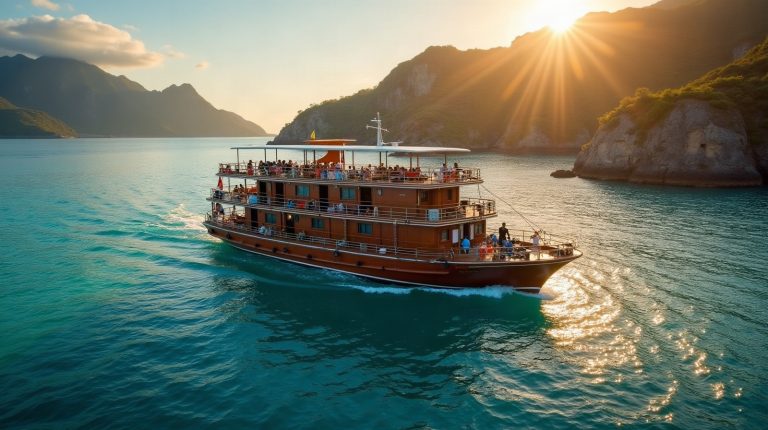
A dive day aboard a VVIP Komodo liveaboard follows one simple rhythm: dive at the right tide, eat well, rest deeply, repeat. The difference from a standard boat is not the dive sites — it is that every hour between them is engineered around you, from the crew assembling your gear before you wake to the tender timed for Castle Rock’s exact slack window.
We have written elsewhere about the vessels themselves; this piece is about the day. If you are weighing whether VVIP liveaboard Komodo diving is worth it, the answer lives in the hours, not the specifications.
05:45 — Sunrise Briefing on the Dive Deck
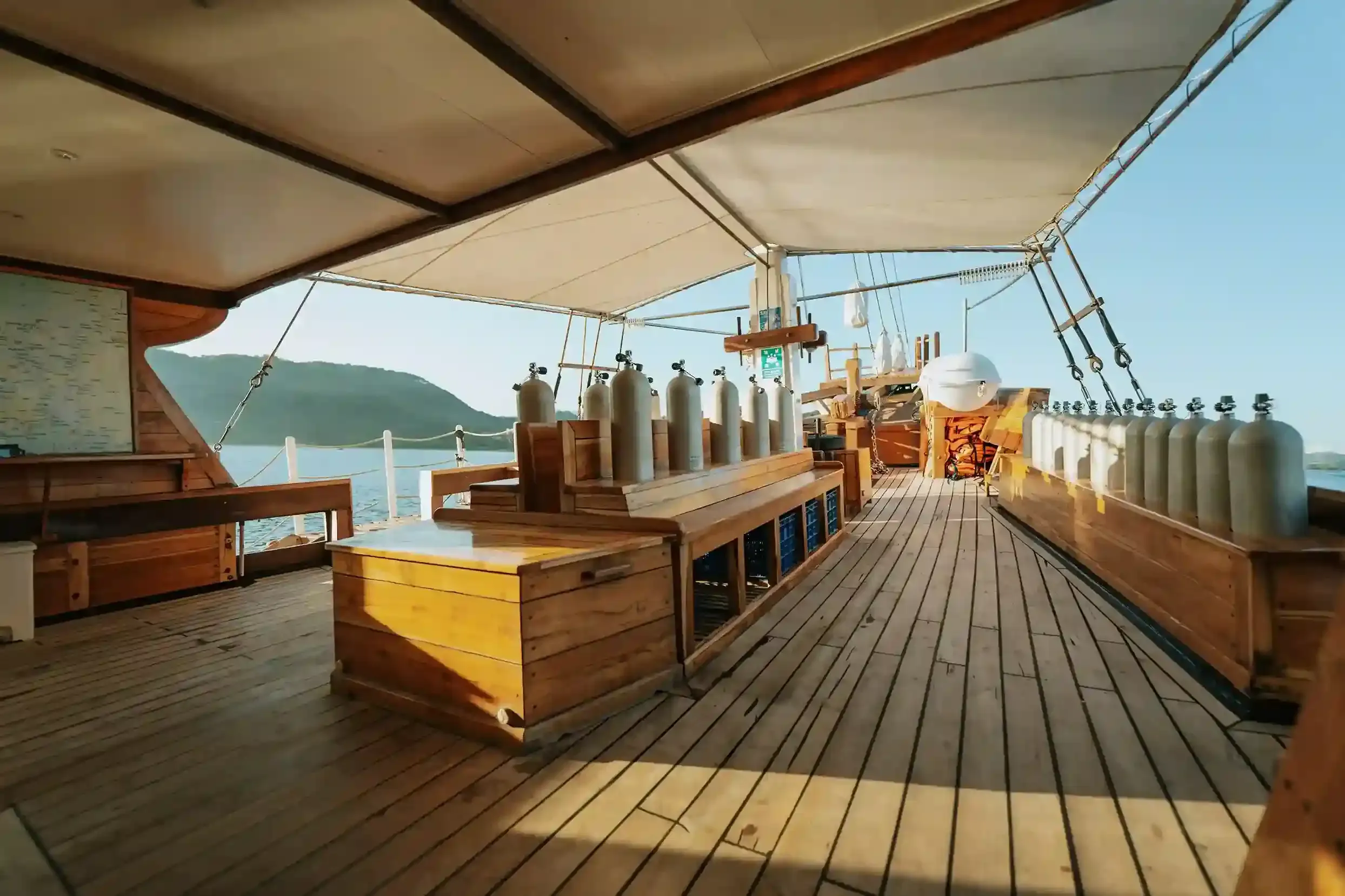
You wake to the anchor chain, not an alarm. Coffee and fruit are already out on the dive deck, and your private guide walks you through the first site on a whiteboard: entry point, current direction, depth plan, where the sharks usually hold station. On a VVIP boat this briefing is a conversation, not a lecture to sixteen people — if you would rather spend the dive at 18 metres shooting anthias than chasing trevallies at 30, you say so, and the plan changes.
While you drink your coffee, the crew do what you never see: cylinders analysed and labelled, regulator and BCD assembled on your personal station, wetsuit rinsed and hung overnight, camera rig prepped with fresh batteries. You touch your gear for the first time when you step into it.
07:30 — Tender to Castle Rock at Slack Tide
Castle Rock is a submerged seamount in north Komodo, roughly 15 to 40 metres, and when the tide runs it is the classic Komodo washing machine — currents strong enough that operators typically want Advanced Open Water certification and real drift experience before putting you in. This is why the timing matters: the mothership repositioned overnight so the tender ride is minutes, and you drop in a negative entry on the slack window, when the seamount is diveable rather than survivable.
What that precision buys you: white-tip and grey reef sharks patrolling the up-current side, giant trevallies hunting through walls of fusiliers, and in season the occasional mobula fly-by. Reef hooks come out if the current builds; your guide carries a spare. Fifty-five minutes later the tender is idling exactly where you surface — warm towels, ginger tea in a flask. Our Castle Rock dive site guide covers depths, seasons and current behaviour in detail.
09:30 — Brunch and the Long, Slow Surface Interval
Back on board, breakfast has become brunch: eggs cooked to order, Indonesian classics, proper espresso. Nobody queues for a rinse tank — your gear disappears from the tender and reappears, rinsed and re-assembled on a fresh cylinder, without you thinking about it. Cameras go into a dedicated rinse bin, fresh water only, and housings come back with the ports spotless.
The surface interval on a VVIP boat is the part day-trip divers never experience. Some guests book a massage on the shaded upper deck; some take the kayaks out over the reef flat; many do absolutely nothing, which on a boat like this is a legitimate activity. Divers running enriched air stretch their no-decompression limits across the day’s dives — if you are new to it, our guide to nitrox diving in Komodo explains why it pairs so well with multi-dive liveaboard days.
13:30 — Second Dive: Manta Point, Karang Makassar
The afternoon dive is a change of gear entirely. Manta Point — Karang Makassar — is a long, shallow rubble reef at roughly 8 to 18 metres with a gentle to moderate drift, accessible to Open Water divers and a complete contrast to the morning’s adrenaline. Indonesia declared its waters a manta ray sanctuary in 2014, and this is central Komodo’s most reliable site for reef mantas: cleaning stations on the bommies, feeding trains when the plankton is thick, turtles drifting past like commuters.
Your guide’s job here is positioning — reading which cleaning station is active and settling you low and still so the mantas come to you. Visibility drops when the water is rich, but rich water is why the mantas are there; season matters enormously, so check our Komodo manta season guide before you lock dates. Photographers usually call this the dive of the day, and the crew hand your camera down to you in the water, not after you.
16:30 — Sunset at Padar, Then Dinner and an Optional Night Dive
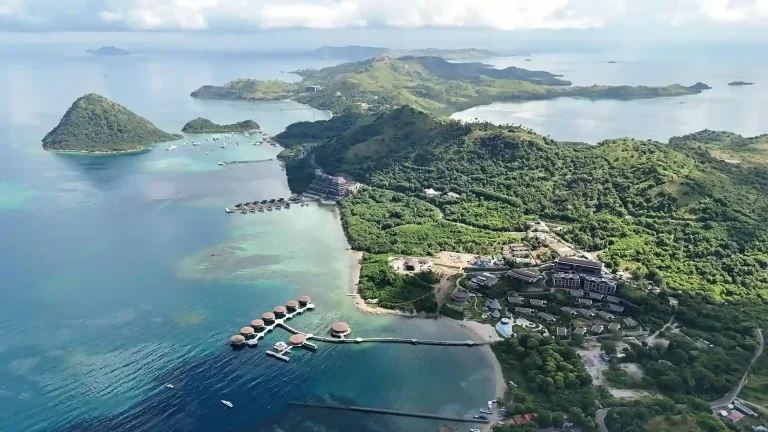
By late afternoon the boat has repositioned toward Padar. Some guests take the tender ashore and climb the ridge for the famous three-bay viewpoint in soft light; others watch the same view from the deck with a cold drink. The day-trip crowds reach Padar by speedboat at midday and are gone by now, so you have the golden hour largely to yourselves — this is where the liveaboard format quietly beats any land-based itinerary.
Dinner is plated and unhurried, with dietary requests made at booking appearing correctly at every meal. For those still hungry for water time, the guide offers an optional night dive on a sheltered reef: Spanish dancers, hunting lionfish, sleeping turtles, bioluminescence on the safety stop when you cover your torch. Optional is the quiet theme of the whole day — the schedule serves you, not the other way around.
What VVIP Dive Service Actually Means
Strip away the cabins and the wine list, and the dive-specific standard comes down to a short list that matters underwater:
- Private guide, private ratio. One guide to your group — often one-to-two — who knows your air consumption and comfort with current by the second dive.
- Full valet gear handling. Assembly, analysis, rinsing and repacking are crew jobs. You dive; they do everything else.
- Dedicated camera care. Separate rinse bins, charging stations and a hand-down into the water.
- Tide-first scheduling. The itinerary bends around slack windows at advanced sites, not a fixed lunch hour.
- Flexibility by default. Skip a dive, repeat a site, swap a trek for a massage — a private charter answers to you.
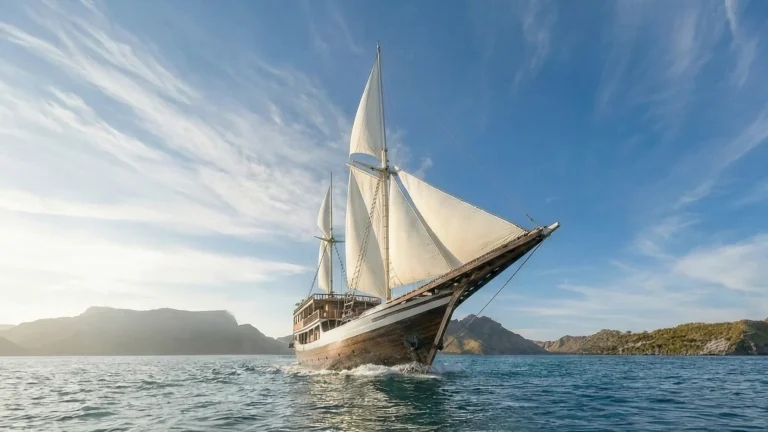
Our luxury Komodo dive liveaboard guide compares how the top-tier vessels deliver this standard, and the operator we route charters through, Komodo Luxury, lists its flagship phinisi on its VVIP boat charter collection — rates are quoted per vessel and season, on request.
Who This Format Suits Best
A VVIP dive day is built for divers who want Komodo’s advanced sites without the compromises of a scheduled boat: couples and families mixing divers with non-divers, underwater photographers who need flexible dive plans and proper camera handling, and small experienced groups who want Castle Rock, Crystal Rock and Shotgun dived at the right tide rather than the convenient one. It suits multi-day itineraries especially well — over three or four days the rhythm compounds, and the crew’s read on your diving sharpens each morning. If that sounds like your trip, start with our Komodo dive safari overview to see how the days stack into a full route through the park. It is not the right format for tight budgets or solo travellers hoping to share costs — a shared-cabin liveaboard or day boats serve those trips better.
Frequently Asked Questions
How many dives per day does a VVIP Komodo liveaboard offer?
Typically two to three day dives plus an optional night dive. Because the boat is private, the count is flexible — the real limits are tide timing at advanced sites and sensible surface intervals, not a fixed schedule.
Do I need Advanced Open Water certification for this itinerary?
For north-Komodo current sites like Castle Rock, most operators require Advanced Open Water and prior drift experience, often with a minimum number of logged dives. Manta Point and sheltered reefs suit Open Water divers, and a private guide makes mixed-level groups easy to run.
Can non-divers enjoy a VVIP dive liveaboard day?
Yes — it is arguably Komodo’s best format for mixed groups. Non-divers can snorkel Manta Point, kayak, take spa treatments and trek Padar at golden hour while divers follow the tide schedule.
What should I pack if the crew handles all the gear?
Very little: certification cards, logbook, your own dive computer and mask if you prefer them, reef-safe sunscreen and light layers. Full equipment is standard on VVIP vessels — confirm sizes when booking.
When is the best time of year for this itinerary?
The dry season, roughly April to November, with April–June and September–November the sweet spots for calm seas and visibility. South-Komodo water runs cooler (about 22–25°C) in July–September, so pack a thicker suit if your route heads south.
Plan Your VVIP Dive Day
Build the itinerary around your dates, certification level and wish-list sites — then let the tide tables do the rest. Message the Komodo Luxury reservations team on WhatsApp at +62 811 382 3875 or email bd@juaraholding.com with your travel window and group size, and they will match you to a VVIP vessel and route, with indicative rates on request.
Further reading: the Komodo Yacht Charter Market Report 2026 publishes real rates from 179 vessels (median private phinisi on request).