Best Komodo Dive Sites for Newly Certified Divers (And Which to Skip for Now)
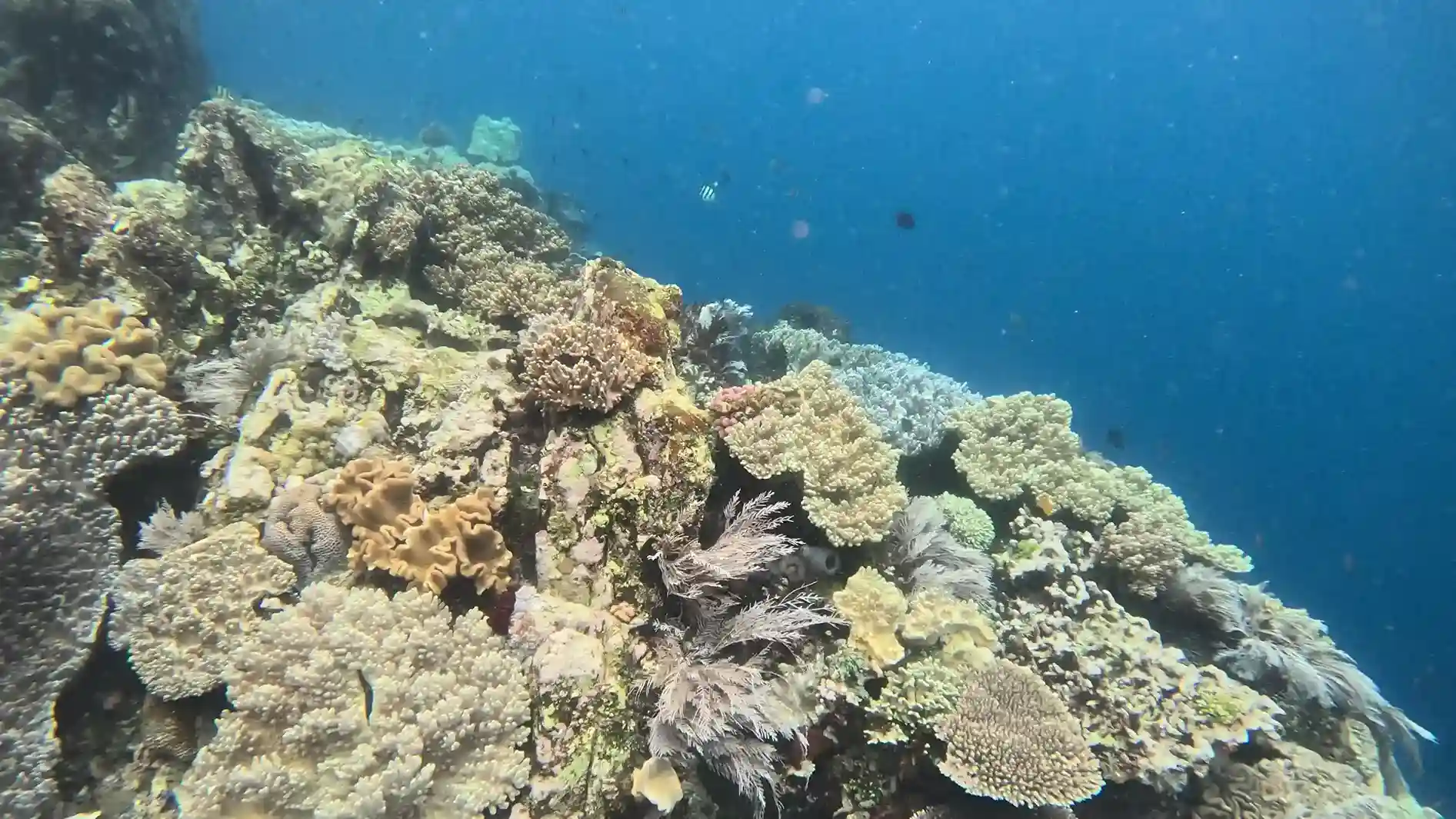
If you just earned your Open Water certification, the best Komodo dive sites for beginners are Siaba Besar, Manta Point (Karang Makassar), and Tatawa Besar — calm-to-gentle sites where guides routinely take newly certified divers. The famous current-swept names you have heard about, like Castle Rock, Shotgun, and the edges of Batu Bolong, are real and spectacular, but they belong later in your logbook, not on dive one.
That honest split is the whole point of this guide. Komodo National Park is one of Indonesia’s most rewarding dive destinations and also one of its most technically demanding: several marquee sites can run strong to very strong currents, at times reported up to 5–7 knots, with down-currents and eddies. The park also has a genuine progression ladder, and local operators use it every day — so this article sorts the sites into green, yellow, and red.
How We Grade Sites for New Divers
We use three bands, based on how dive teams in Labuan Bajo actually brief and assign these sites:
- Green: Calm or gently drifting sites used for check dives and first fun dives. Open Water level is enough with a guide.
- Yellow: Mild-to-moderate drift sites for divers who are comfortable, neutrally buoyant, and have a few Komodo dives logged.
- Red: Strong-current sites where operators typically ask for Advanced Open Water plus logged drift experience — often 20–50 dives — dived only on specific tidal phases.
For the broader background, our page on whether beginners can dive Komodo covers certification requirements and trip logistics; this article gives you the site-by-site list.
Green Sites: Dive These Right After Certification
Siaba Besar — Turtle City and the Classic Check Dive
Siaba Besar is where many Komodo trips begin. It is a sheltered reef slope and coral garden in roughly the 5–18 m range, generally calm — which is exactly why guides use it as a check-dive site and for training dives. The payoff is better than “easy site” implies: turtle density here is famously high, the coral is healthy, and the relaxed conditions are ideal for dialing in your buoyancy and camera skills. Read the full profile on our Siaba Besar dive site page.
Manta Point (Karang Makassar) — Yes, Beginners Can Dive With Mantas
Here is what most new divers do not expect: Komodo’s most reliable manta site is also one of its most accessible. Manta Point, also called Karang Makassar, is a long, shallow rubble-and-sand reef at about 8–18 m, drifted in a gentle to moderate current that makes an excellent introduction to drift diving. Reef mantas gather at cleaning stations along the reef, protected nationally since Indonesia declared its waters a manta ray sanctuary in 2014. Currents can pick up in sections, so stay with your guide — but Open Water divers, and even snorkelers on many trips, dive this site regularly.
Tatawa Besar — A Gentle Drift Over Soft Coral
Tatawa Besar rounds out the beginner trio with colorful soft-coral slopes you drift along at an easy pace on the right tide. It is often paired with Siaba Besar or Manta Point on central-Komodo day trips, which is why a first-day itinerary out of Labuan Bajo can be world-class without touching a red-rated site. See our combined Tatawa Besar and Tatawa Kecil guide — noting that Kecil, its smaller neighbor, belongs a band higher.
Yellow Sites: Your Next Step Up
Siaba Kecil — The Intermediate Bridge
Siaba Kecil sits right beside beginner-friendly Siaba Besar but behaves differently: it is slightly deeper in parts and carries mild-to-moderate drifts, making it a genuine intermediate site rather than a first-dive site. That is what makes it valuable. Once you have a few calm Komodo dives logged and your guide sees you holding position and managing your air, Siaba Kecil is the natural next step — a real drift, still within reach.
Red Sites: Spectacular, and Worth the Wait
Batu Bolong — Brilliant, but Respect the Edges
Batu Bolong is a compact pinnacle rising from deep water, packed with one of the densest fish walls in Indonesia — anthias, fusiliers, reef sharks, turtles. It spans roughly 5–35 m, and the catch is the current: medium to strong, swirling, with down-currents possible on the edges. Operators usually require Advanced Open Water, drift experience, and good buoyancy, timing entries around slack water; some ban snorkeling here entirely. It will still be there when you are ready — the full brief is on our Batu Bolong site page.
Castle Rock and Crystal Rock — North Komodo’s Current Machines
Castle Rock is a submerged seamount at roughly 15–40 m where sharks and trevallies hunt in strong to very strong current — the classic Komodo “washing machine.” Dive teams typically ask for AOW plus around 20–50 logged dives, often with negative entries and reef hooks. Neighboring Crystal Rock is similarly advanced, with split currents and eddies that can be trickier still due to its topography. These are the dives that make Komodo legendary; start with the Castle Rock profile when planning ahead.
Shotgun and the Cauldron — Advanced Only, on the Right Tide
The Shotgun and Cauldron channel dive between the Gili Lawa islands can produce very strong horizontal jets with vertical components — a high-adrenaline drift that operators run only on specific tidal phases, generally asking for 30–50 logged dives and solid drift experience. As a newly certified diver, simply take it off this trip’s list. It is a superb goal for trip two.
How Your First Komodo Days Actually Work
In practice, you do not choose sites alone — your dive center does, around tides and around you. A typical pattern for a new diver: a check dive at a calm site like Siaba Besar, then guided fun dives in Komodo at green sites such as Manta Point and Tatawa Besar, in small groups with a guide who reads the current before anyone enters the water. If months have passed since your certification, a short refresher course in Labuan Bajo before your first park day is the best investment you can make.
When Should a New Diver Go?
The dry season from April to November is the prime window, with the best mix of calm seas and visibility in April–June and September–November. Central and northern sites usually sit at a comfortable 27–29°C, with dry-season visibility often 15–25 m in the central park and better in the north. December to March is wetter, though central sites often remain diveable and crowds thin out. Our Komodo diving seasons guide breaks this down month by month.
Build Your Trip Around the Right Sites
A beginner-friendly Komodo itinerary is not a consolation prize — turtles at Siaba Besar and mantas at Karang Makassar are bucket-list diving by any standard. Multi-day Komodo diving packages can start green, step up to yellow as your guide signs off, and leave the red sites as your reason to return with an Advanced card. Trips run with Komodo Luxury’s local operations team, so boat, guide, and site plan are coordinated around your level.
Frequently Asked Questions
Which Komodo dive sites are best for newly certified divers?
Siaba Besar, Manta Point (Karang Makassar), and Tatawa Besar are the standard trio: calm to gently drifting, roughly 5–18 m, and used by local guides for check dives and first fun dives. All three offer big-animal highlights — turtles and reef mantas — at Open Water level.
Can I dive Manta Point with just an Open Water certification?
Yes. Manta Point is a shallow site at about 8–18 m with a generally gentle to moderate drift, and it is regularly dived by Open Water divers with a guide. Currents can strengthen in sections, so stay close to your guide and follow the drift briefing.
Why should I skip Castle Rock and Batu Bolong for now?
Both can carry strong, unpredictable currents — down-currents at Batu Bolong’s edges, very strong flow at Castle Rock — so operators typically require Advanced Open Water plus logged drift experience, often 20–50 dives, with techniques like negative entries and reef hooks that new divers have not practiced yet.
How many dives do I need before trying Komodo’s advanced sites?
A common operator range is Advanced Open Water plus roughly 20–50 logged dives with genuine drift experience before sites like Castle Rock, Crystal Rock, or Shotgun. Your guide’s assessment on easier Komodo dives counts for a lot.
Is it worth diving Komodo if I can only do the beginner sites?
Absolutely. Turtles at Siaba Besar, reef mantas at a protected cleaning-station site, and soft-coral drifts at Tatawa Besar would headline most dive destinations on their own.
Ready to Plan Your First Komodo Dives?
Tell us your certification level, logged dives, and dates, and we will map out a site plan that fits — green sites first, stepping up only when you are ready. Message the team on WhatsApp at +62 811 3823 875 or email bd@juaraholding.com for a tailored day-trip or liveaboard plan, with pricing on request.