5 Signs You Need a Scuba Refresher Before Your Komodo Trip
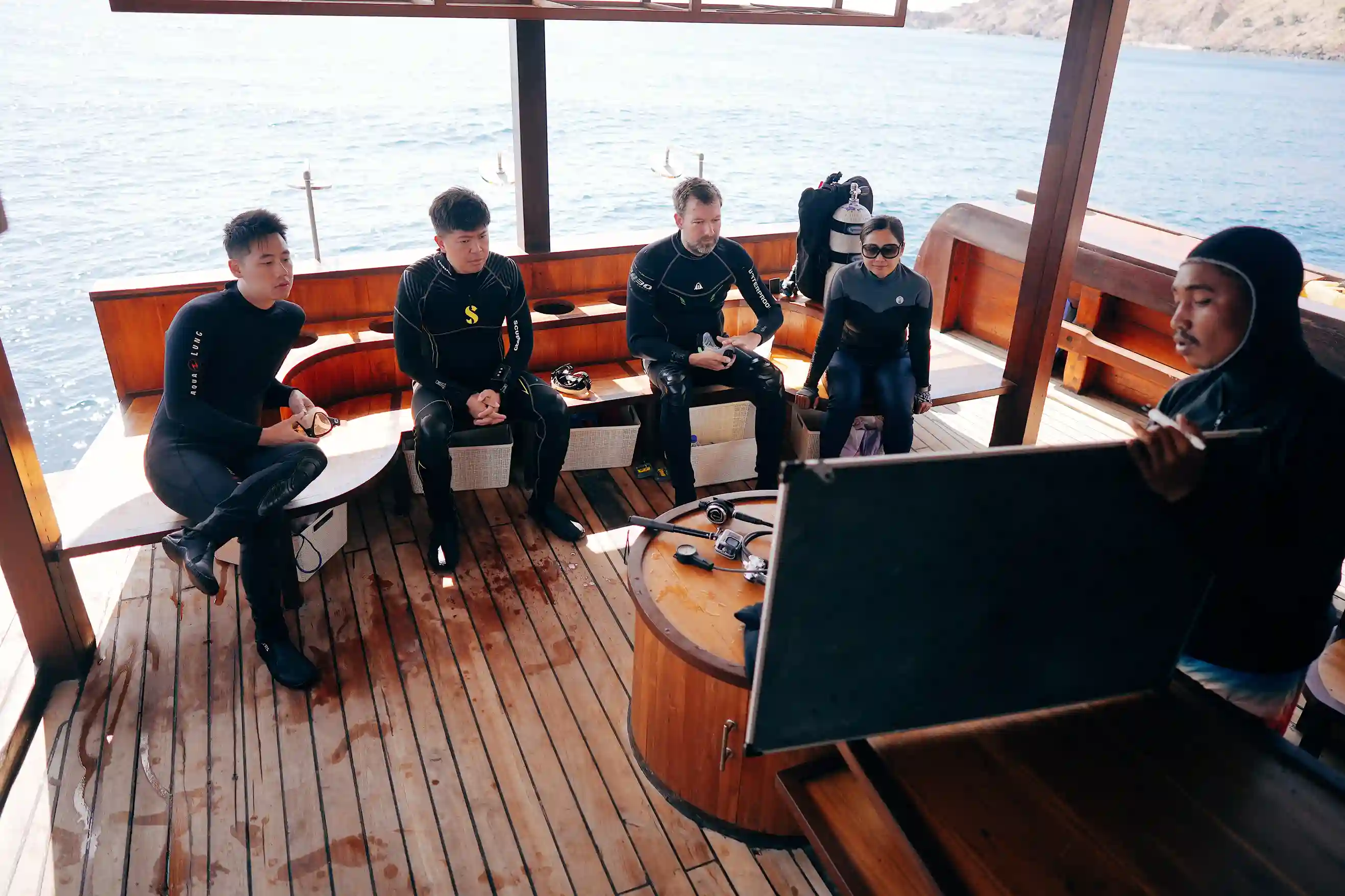
If any of the five signs below sound familiar, booking a scuba refresher before your Komodo trip is the single smartest upgrade you can make to your holiday. It takes half a day, and it turns Komodo’s famous currents from a source of quiet anxiety into the very reason you fall in love with this park.
First, needing a refresher is not a verdict on your ability. Komodo National Park runs from easy turtle reefs to current-swept pinnacles demanding Advanced certification and 25 to 50+ logged dives, and even experienced divers arrive rusty after a season on land. This self-assessment exists so you spend your trip enjoying mantas, not fighting your equipment.
Why This Self-Check Is Worth Two Minutes
Komodo is one of Indonesia’s most rewarding dive destinations, and one of its most technically demanding: signature sites can run strong to very strong currents, at times up to 5–7 knots, with down-currents and up-currents in the mix. Guides brief carefully and time every entry, but the diver who shows up sharp gets far more from every dive: better air, better buoyancy, and a calmer head when the water moves.
Read the five signs below honestly. If even one applies, a half-day tune-up will pay for itself on your very first descent.
The 5 Signs You Need a Scuba Refresher Before Komodo
1. It has been 12 months or more since your last dive
This is the classic threshold. Skills fade quietly: mask clearing, regulator recovery, and fin technique all feel slightly foreign after a year on land, and slightly foreign is not the feeling you want at depth in a park built on moving water. If your last logged dive predates your last birthday, treat a refresher as standard trip preparation, like checking your passport validity.
2. You cannot quite remember your weighting or BCD routine
Quick test: how many kilograms did you carry on your last dive? If you hesitated, that is the sign. Divers unsure of their weighting tend to over-weight to be safe, which wrecks trim, burns air, and makes every drift feel harder than it is. A refresher re-dials your weight check, BCD setup, and pre-dive buddy sequence until they are automatic again, exactly what you want before drifting past a reef at Komodo pace.
3. You have never done a drift dive
Drift diving is not a bigger version of normal diving; it is a different rhythm. You descend promptly, hold position without a reference line, read what the current is doing, and stay close to a guide who is navigating tide windows. Central sites such as Manta Point at Karang Makassar offer gentle-to-moderate drifts that are a superb introduction, but if you have literally never flown with a current before, a refresher plus a guided easy drift is the sequence that makes Komodo drift diving feel like a thrill instead of a test.
4. You have fewer than 20 logged dives but want the northern sites
Castle Rock, Crystal Rock, and the Shotgun are the dives people cross oceans for, and operators protect them accordingly. Castle Rock is typically reserved for Advanced divers with roughly 20–50 logged dives and prior current experience, often with negative entries and reef hooks in play, while the Shotgun and Cauldron commonly ask for 30–50 dives and solid drift skills. If your logbook is short but your wish list is northern, a refresher plus a few warm-up dives is the fastest legitimate route to qualifying for them. Our guide to minimum dive requirements in Komodo breaks the numbers down site by site.
5. You feel nervous just picturing the current
This one matters more than any logbook number. If reading about washing-machine currents makes your stomach tighten, that nervousness follows you underwater, and anxiety is the enemy of good air consumption and clear thinking. The fix is rehearsal, not bravado: running core skills in calm, shallow water with an instructor beside you converts hope into certainty, which is precisely what a refresher is designed to produce.
What a Half-Day Refresher in Labuan Bajo Actually Covers
A refresher scuba course in Labuan Bajo is short, practical, and tailored to what Komodo will ask of you. A typical half-day session reviews:
- Equipment setup and buddy checks — assembling your kit, testing regulators, and running the pre-dive sequence until it flows without prompting.
- Proper weighting and trim — a real weight check at the surface, then fine-tuning until you hover level without sculling.
- Core safety skills — mask clearing, regulator recovery, alternate-air sharing, and controlled ascents.
- Buoyancy control — the skill Komodo rewards most, practiced until small breath adjustments replace inflator jabs.
- Drift technique and briefing language — negative entries, staying with the group, reef-hook basics, and what your guide’s hand signals mean when the water speeds up.
By the end you have rehearsed everything Komodo’s easier sites require and previewed the techniques its advanced sites demand. Pricing is kept simple and confirmed on request when you book, so there are no surprises on arrival.
Why Komodo Is Not the Place to “Remember as You Go”
In many destinations you can shake the rust off across a lazy first day of flat, still reefs. Komodo is less forgiving, because movement is the point. Even sites regarded as moderate carry real current: Batu Bolong, a compact pinnacle and one of Indonesia’s most celebrated dives, runs medium to strong swirling currents with possible down-currents on its edges, and operators generally want Advanced certification, drift experience, and good buoyancy before they will put you on it.
That is a moderate site by Komodo standards. The northern pinnacles ramp up from there. So the “I’ll remember underwater” plan does not fail dramatically; it fails quietly, by locking you out of the best sites and making the ones you do dive more stressful than they should be. Calm training sites exist, and Siaba Besar is the classic check-dive spot, but they are the warm-up, not the show.
How to Slot a Refresher into Day One Without Losing Dive Days
The good news: a refresher costs you almost nothing in itinerary terms. The pattern that works:
- Arrive in the afternoon, refresh the next morning. Most travelers land in Labuan Bajo after midday; use the next morning for your calm-water session and join boat trips from the day after, fully sharp.
- Combine the refresher with a check dive. Many divers do skills in the morning and an easy guided reef in the afternoon, so day one still ends with fish.
- Coming from Bali? Build it into the package. If you are traveling on a Bali to Komodo diving package, tell us at booking and we schedule the refresher into your arrival window automatically.
- Then dive the good stuff. From day two onward you join our Komodo fun diving trips with your skills current and your confidence earned, which is when this park is at its absolute best.
Trips run with Komodo Luxury as the operating partner, so refresher, day trips, and boats are coordinated by one team rather than juggled across providers.
Frequently Asked Questions
How long does a scuba refresher in Labuan Bajo take?
Plan on half a day. Theory review and confined-water skills usually take a morning, and many divers add an easy afternoon reef dive to finish the day with a proper dive in their log.
I dived six months ago. Do I still need one?
Twelve months is the common threshold, so six months is usually fine if you dived regularly before that. But the signs above outrank the calendar: if your weighting is a guess or currents make you nervous, take the refresher regardless.
Can I do the refresher and dive Komodo on the same day?
Usually you refresh in the morning and join park boat trips from the following day, since day trips depart early. A same-day easy local dive after your session is often possible; full park trips work better from day two.
Will a refresher qualify me for Castle Rock or the Shotgun?
Not by itself. Those sites typically require Advanced certification plus roughly 20–50 logged dives with genuine current experience. A refresher makes you sharp and safe immediately, so the warm-up dives you log in central Komodo count as real, confident current experience toward the northern sites.
Is a refresher the same as redoing my Open Water course?
No. Your certification never expires, so there is no exam and no card to re-earn. A refresher is a guided practice session that reactivates skills you already own, which is why it takes hours rather than days.
Ready to Dive Komodo at Your Best?
Tell us your certification level, logged dives, and when you last dived, and we will tell you straight whether a refresher makes sense and how to slot it into your dates without sacrificing a single manta.
Message us on WhatsApp at +62 811 3823 875 or email bd@juaraholding.com, and we will build your Komodo diving plan around exactly where your skills are today.